Portugal’s labor market is emerging as one of the euro area’s clearest bright spots, and that matters because a stronger job engine supports consumption, tax receipts and the country’s ability to keep growing without leaning too heavily on debt.
Portugal jobs growth outpaces euro area peers
Eurostat said Portugal posted the third-largest year-on-year increase in the EU employment rate in the second quarter, up 2.2%, behind only Malta and Spain. On a quarterly basis, Portugal led the bloc with a 1.0% gain, the strongest rise among EU member states. For the euro zone, employment rose 0.5% from a year earlier and 0.1% from the first quarter, underscoring how far Portugal is outpacing the regional average.
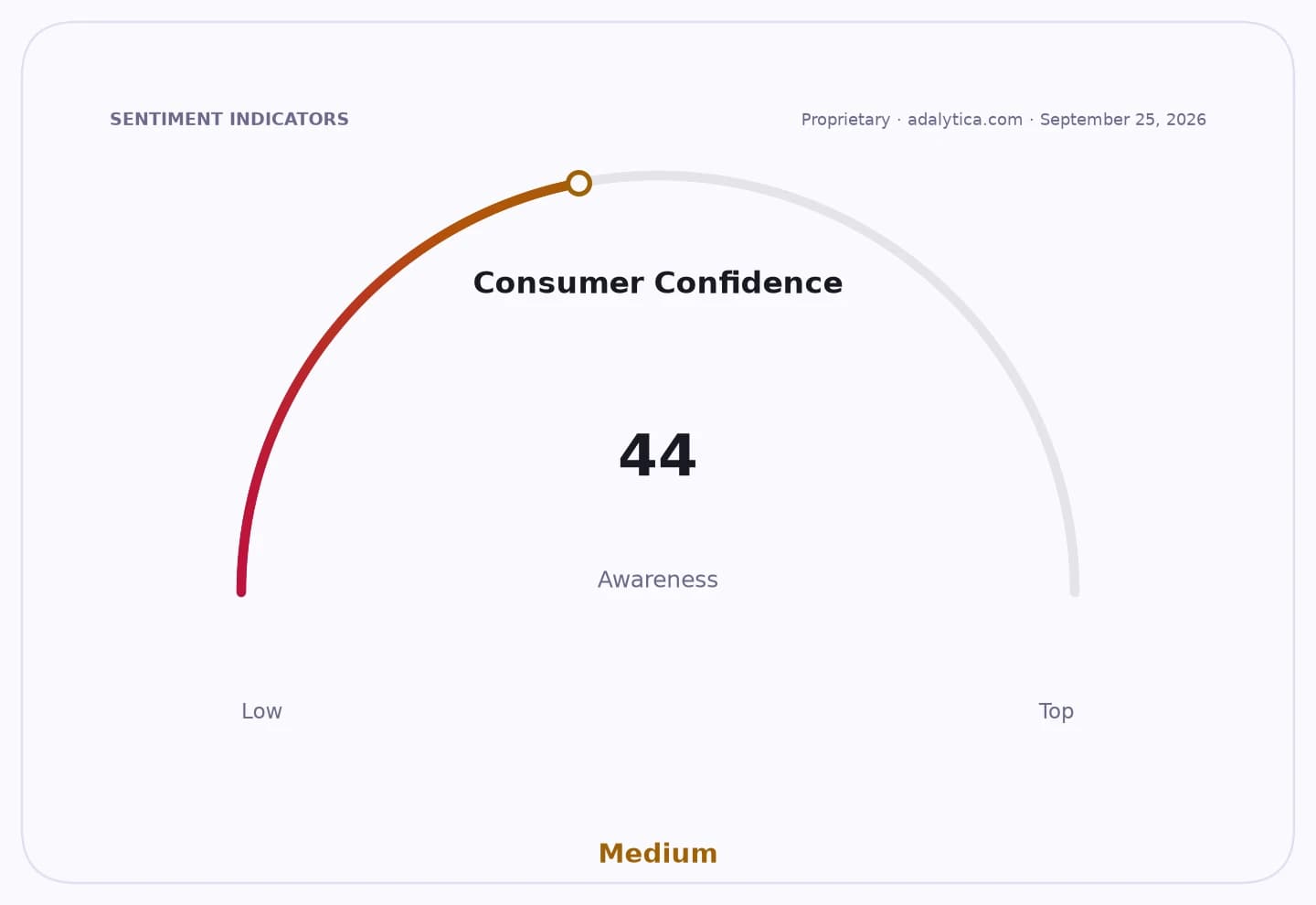
Sentiment IndicatorsⓘProprietary · adalytica.com · September 7, 2026
This is a snapshot — live sentiment, awareness and momentum for 130+ markets update continuously in the dashboard.Open AlphaPulse
That is a meaningful signal for investors because labor strength tends to feed directly into domestic demand. Higher employment supports retail spending, services activity and housing resilience, while also improving the outlook for banks, utilities and consumer-facing companies with exposure to Portuguese households. In a Europe still wrestling with sluggish growth, Portugal is showing that labor-market momentum can remain a source of relative outperformance even as the broader bloc slows.
The ranking also tells a wider story about economic divergence inside the EU. Spain and Malta are also posting large employment gains, while Romania, Finland and Bulgaria are among the weaker markets, highlighting how uneven the post-inflation recovery has become across the bloc. For policymakers, Portugal’s numbers provide room to argue that reforms and investment are working. For investors, they point to a market where earnings tied to domestic activity may be more resilient than Europe’s macro backdrop suggests.
The catch is that strong headline employment does not erase structural risks. Youth unemployment remains elevated, which means the recovery is still incomplete and the labor market may not be delivering evenly across age groups. Even so, the direction of travel is constructive: if Portugal can turn this employment strength into sustained wage income and productivity gains, the country could remain one of the more attractive relative-growth stories in the euro area.
The investable takeaway is straightforward: Portugal’s labor-market lead supports a constructive view on domestic-demand beneficiaries and on companies with leveraged exposure to a healthier Portuguese consumer. The market still tends to treat Portugal as a small peripheral economy; that is exactly why the upside can be asymmetric when the data keep surprising to the upside.
| Entity | Gains | Losses |
|---|---|---|
| Portuguese consumers | ▲Higher income support | ▼Less wage pressure if uneven recovery |
| Portuguese banks and retailers | ▲Stronger domestic demand | ▼Slower growth if youth unemployment persists |
| Portugal vs. EU peers | ▲Relative growth premium | ▼Romania, Finland, Bulgaria lag |
| Eurozone policymakers | ▲Evidence of resilience | ▼Pressure from uneven labor recovery |