A Portuguese non-profit has launched an artificial-intelligence platform that found more than half of the influencer posts it reviewed were not properly labeled as advertising, highlighting growing pressure on social media marketing practices and the risk of regulatory action in Portugal.
Portugal #Pub finds undisclosed influencer ads
The #Pub platform analyzed 2,113 posts from 780 Portuguese influencers and classified 20% of them as ads; 52.7% of those promotional posts were not correctly identified as sponsored content, according to the group. That finding matters because undisclosed advertising can mislead consumers, distort competition for compliant brands and force platforms and regulators to spend more time policing content that should already be transparent.
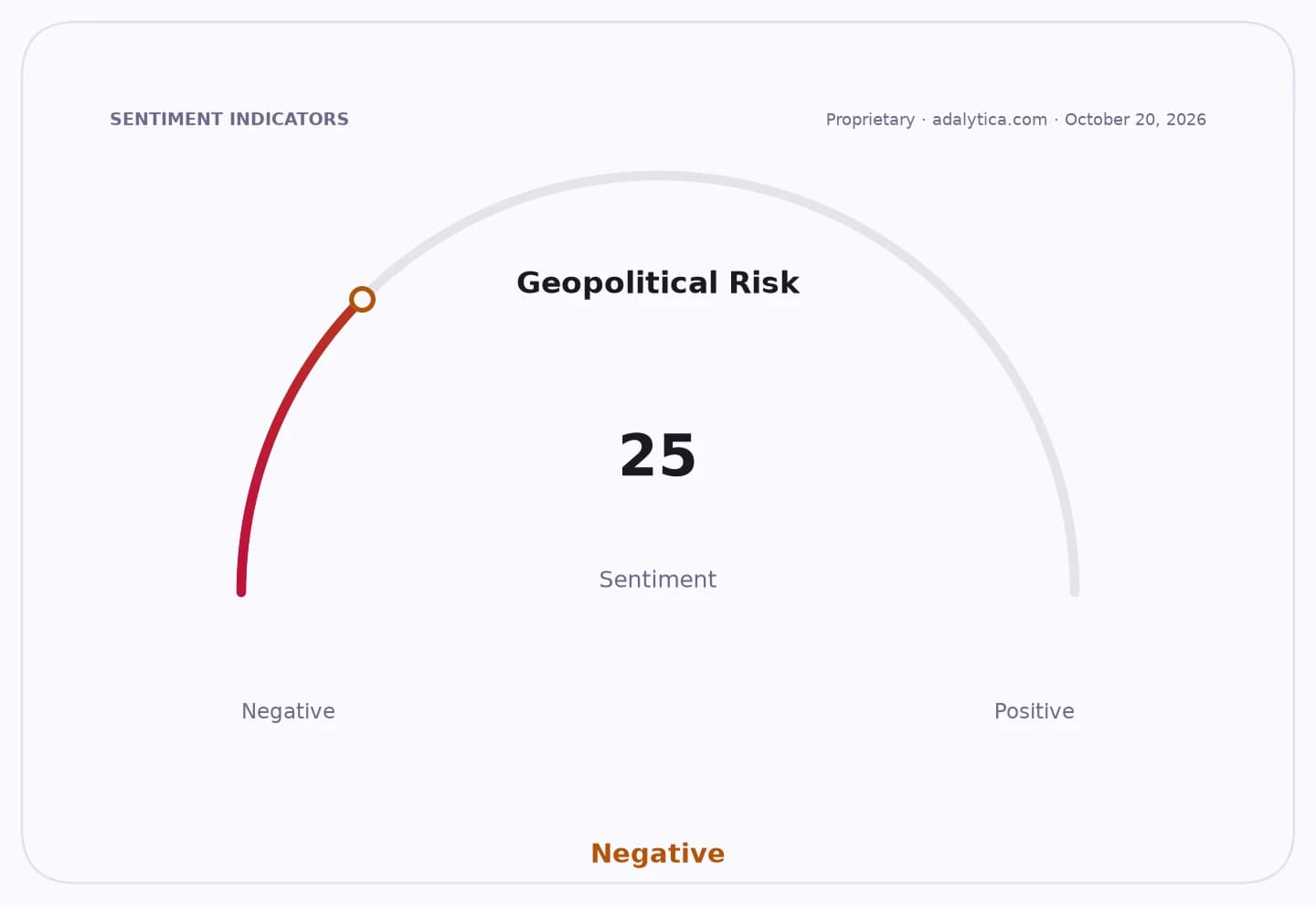
Sentiment IndicatorsⓘProprietary · adalytica.com · October 20, 2026
This is a snapshot — live sentiment, awareness and momentum for 130+ markets update continuously in the dashboard.Open AlphaPulse
#Pub said the tool monitors Instagram and TikTok, using AI to scan text and visuals to sort posts into identified advertising, unmarked advertising or organic content. The organization said it has already sent alerts to 147 profiles over possible breaches and filed 40 complaints with Portugal’s food and economic safety authority, ASAE.
The platform is designed to increase “awareness” among influencers and make it easier for consumers to report suspected violations, founder Diogo Abrantes da Silva said in a statement. #Pub also made the code open source, a move that could allow other groups to adapt the system and expand scrutiny beyond Portugal.
The development lands as regulators worldwide step up scrutiny of social media advertising, particularly where AI-generated tools can detect patterns that manual monitoring misses. For investors, that raises the compliance burden for creator-focused ad budgets and adds another layer of reputational and legal risk for platforms, agencies and brands reliant on influencer-driven marketing.
For Meta, owner of Instagram, and Snap, owner of Snapchat, the issue is not immediate revenue pressure but a reminder that ad growth increasingly depends on tighter disclosure, monitoring and moderation systems. If enforcement intensifies, marketers may face more friction and costs, while platforms could see greater demand for compliance tools and more scrutiny of their advertising products.
| Entity | Gains | Losses |
|---|---|---|
| #Pub / ASAE | ▲stronger enforcement reach | ▼lower anonymity for violators |
| Compliant brands | ▲fairer ad competition | ▼less benefit from hidden promotions |
| Influencers using disclosure | ▲credibility gains | ▼fewer loopholes |
| Meta / Snap | ▲demand for compliance tools | ▼higher regulatory scrutiny |