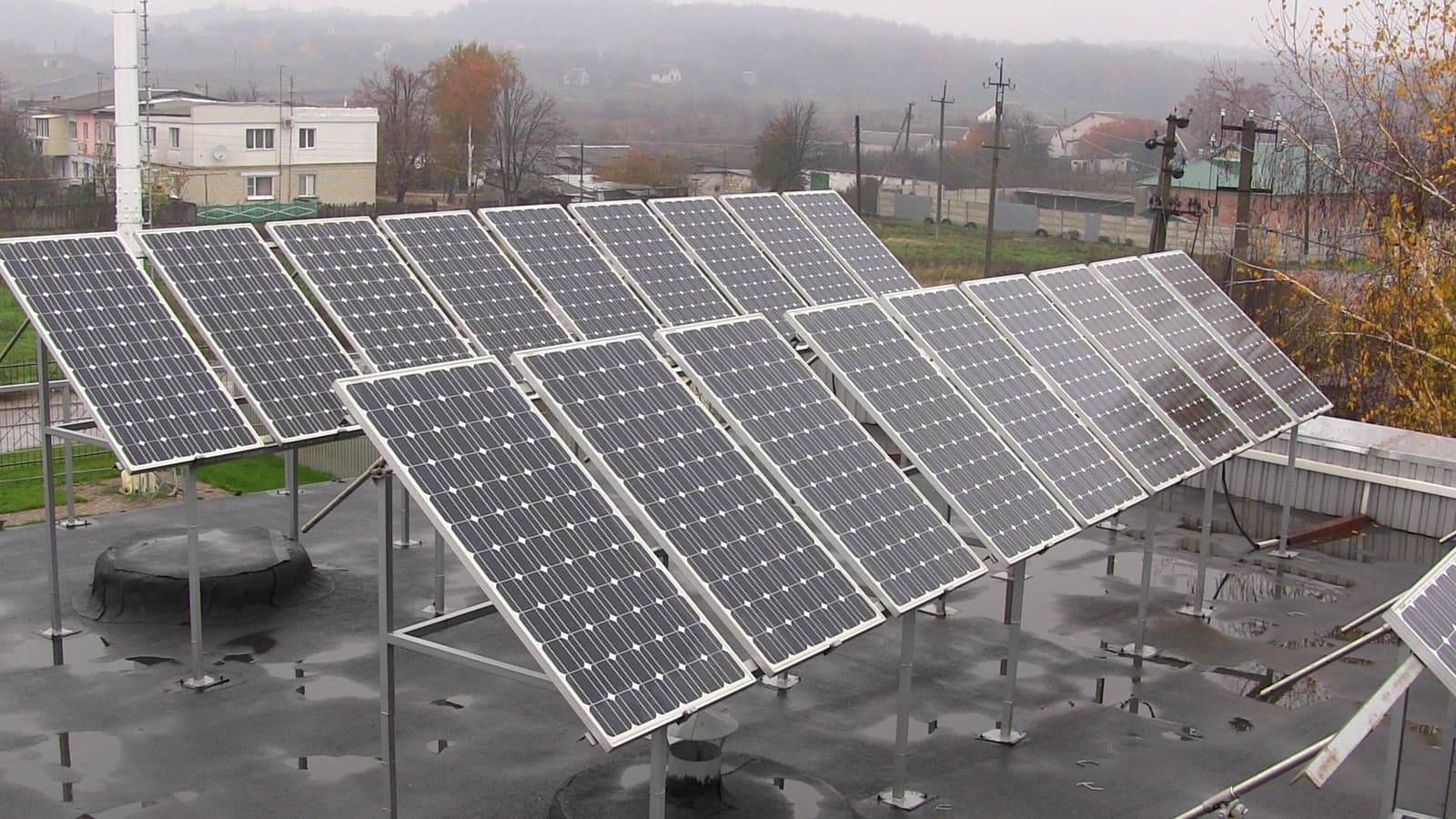
Portugal has authorized public entities to spend as much as 230 million euros on energy in 2027, a centrally approved bill that underlines how exposed the state remains to electricity, fuel and gas costs even as the country leans harder into renewables.
Portugal approves 230 million euro public energy spending
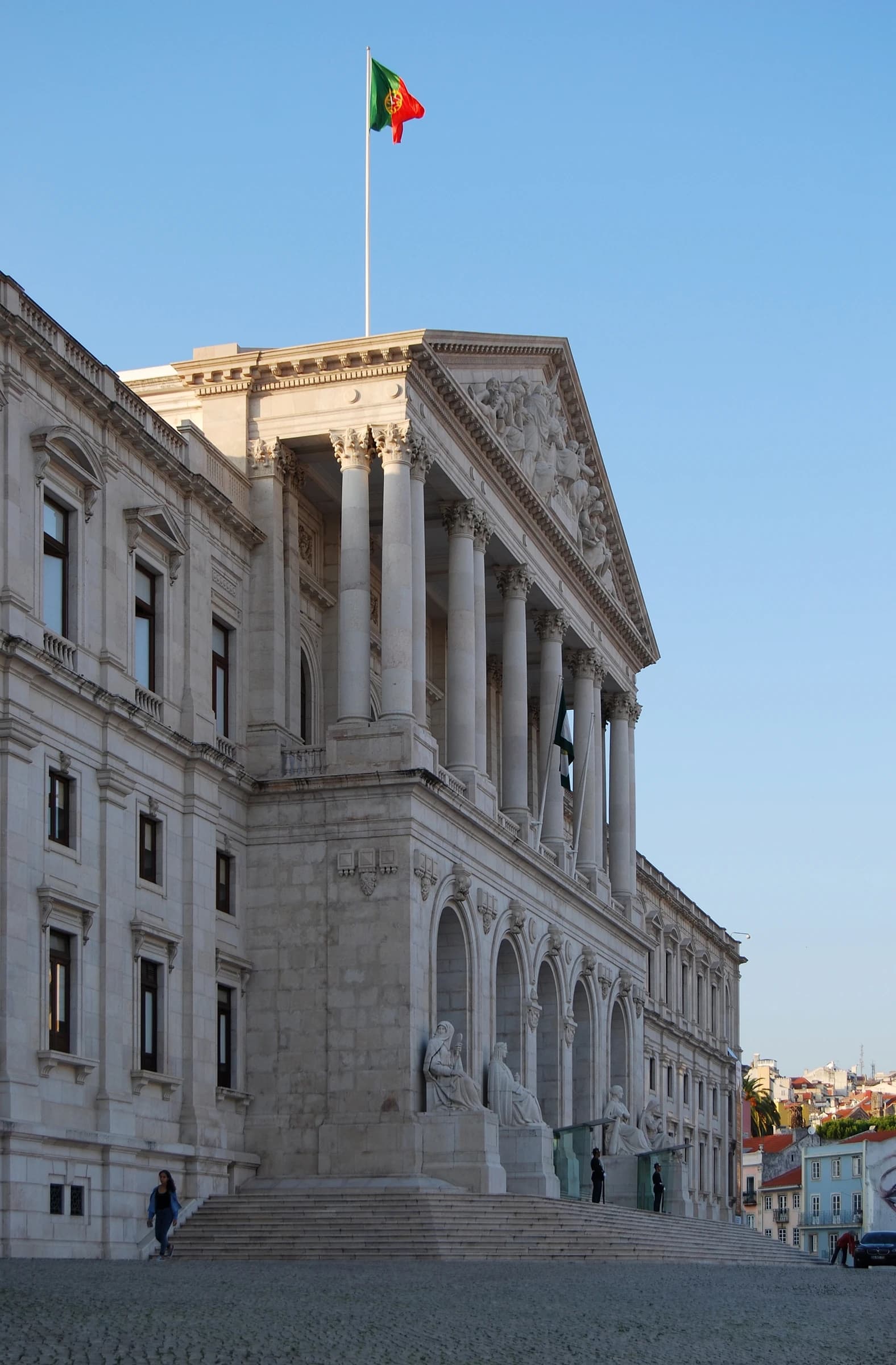
The decision matters because it fixes a large share of next year’s operating costs for ministries, agencies and public services at a time when Lisbon is pushing fiscal restraint. The government said the spending will be covered entirely by the budgets of the participating entities, with no extra help from the finance ministry’s contingency line or other central funds — a sign that public bodies will have to absorb any cost overruns themselves.
Most of the envelope is for electricity, at 151.9 million euros, followed by 45 million euros for road fuels and 33 million euros for natural gas. That makes power procurement the biggest single pressure point, even as Portugal continues to tout its energy transition. The country generated more than 70% of its electricity from renewable sources in September, but the public sector still needs to buy substantial volumes from the market.
The largest electricity allocation went to EDIA, the Alqueva development and infrastructure company, with a cap of 21.1 million euros. The GNR national guard followed with 7.2 million euros and the tax authority with 5.9 million euros. In road fuels, the GNR again topped the list with 12.1 million euros, ahead of the PSP police and the air force. For natural gas, Coimbra’s local health unit led with 8.3 million euros, followed by the air force.
For investors, the story is less about one-off procurement and more about how the state’s energy bill interacts with broader fiscal and inflation dynamics. Higher public-sector energy spending can feed through to service costs, especially in transport, healthcare and security agencies that have little discretion over consumption. It also highlights the continuing importance of power and fuel pricing for Portuguese public accounts, even in a year when the government says it expects savings from spending reviews.
The funding structure is also notable for what it rules out. By requiring each entity to finance the bill from its own budget, the government is pushing procurement discipline downward through the state apparatus. That should help cap central fiscal leakage, but it also raises the risk of tighter operating budgets for agencies that already face wage, maintenance and service-delivery pressures.
At the market level, the announcement should be read as a reminder that Portugal’s energy demand is still anchored by public institutions, utilities and transport-heavy users, even as renewable generation rises. The near-term winners are suppliers able to win public tenders or benefit from sticky institutional demand; the losers are agencies that may have to trim elsewhere if energy prices stay elevated.
| Entity | Gains | Losses |
|---|---|---|
| Energy suppliers | ▲Large public procurement volumes | ▼Price-sensitive budget negotiations |
| EDIA, GNR, public agencies | ▲Guaranteed budget caps and supply access | ▼Tighter operating budgets |
| Portuguese state finances | ▲Central budget control | ▼Risk of cost pressure at agency level |
| Energy consumers in public sector | ▲Procurement certainty | ▼Less room for spending flexibility |