Young students of economics and management say they believe employers want more skills than they can deliver, underscoring a widening confidence gap that could shape hiring, training and early-career wages.
Portugal Students Report Skills Gap in Employer Expectations
A study of 384 students at Portugal’s Universidade Portucalense found they rated the competencies they think employers expect at 4.40 out of 5, while scoring their own abilities at 4.08. When asked whether they could meet those expectations in the job market, the score slipped further to 4.04.
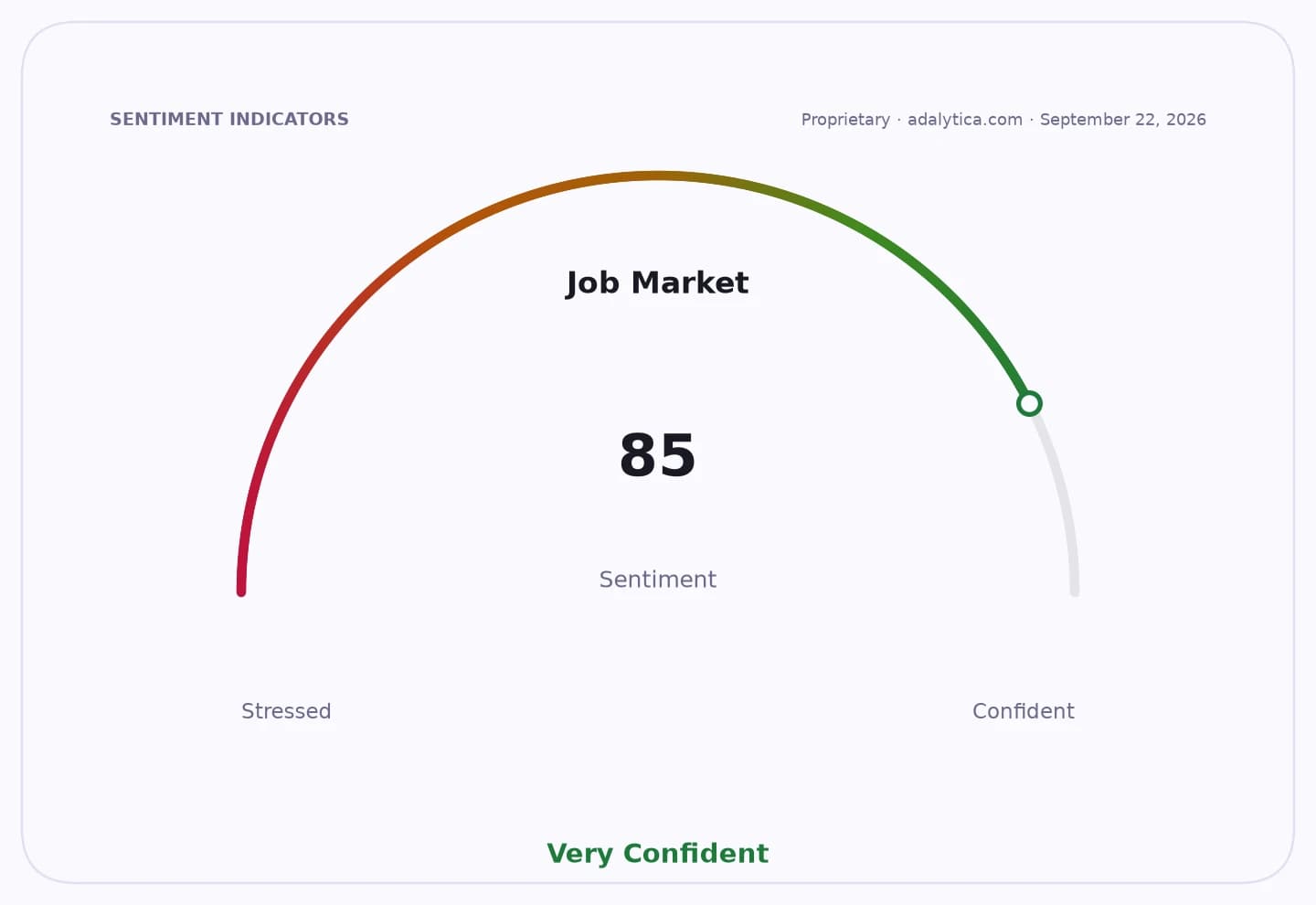
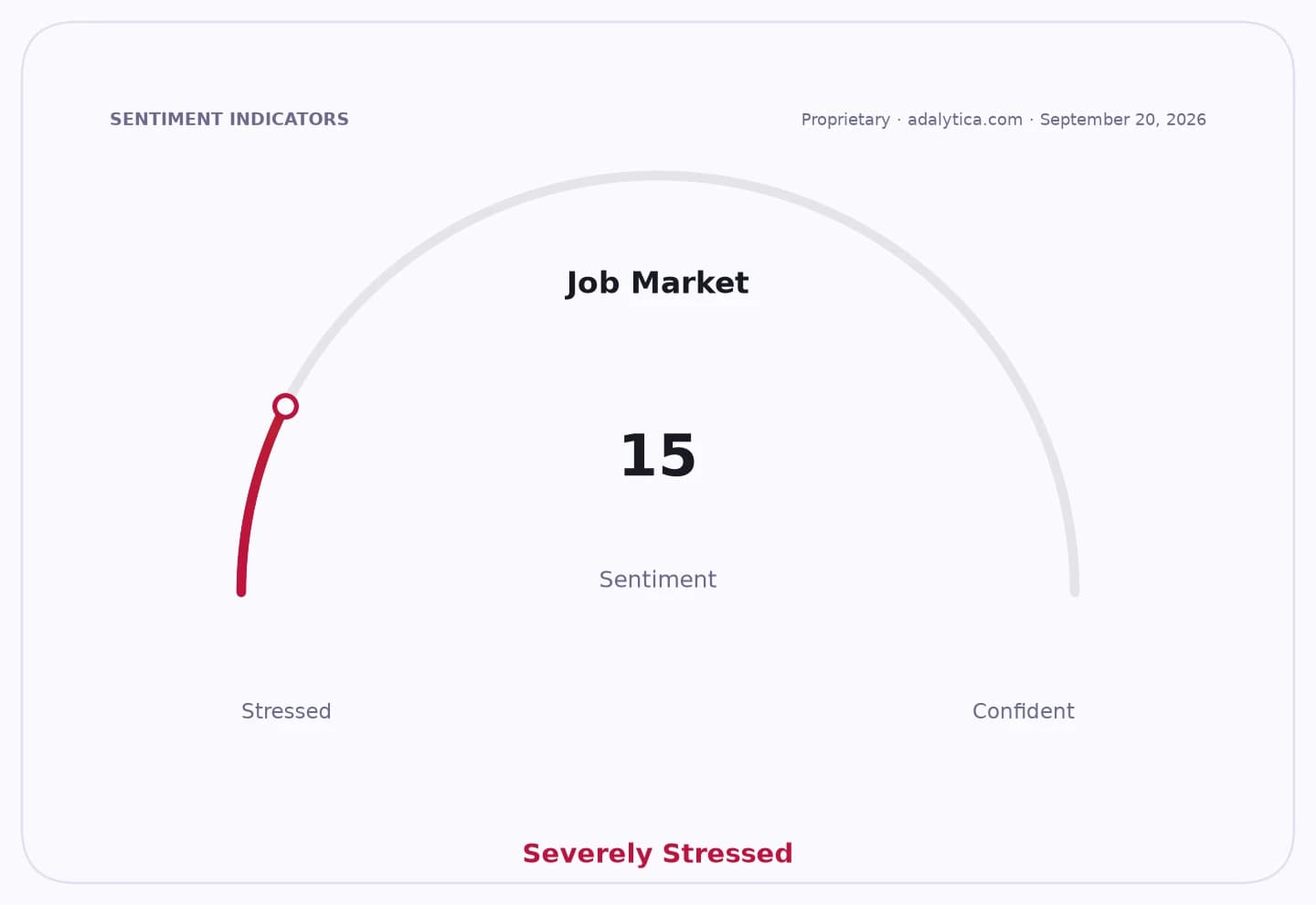
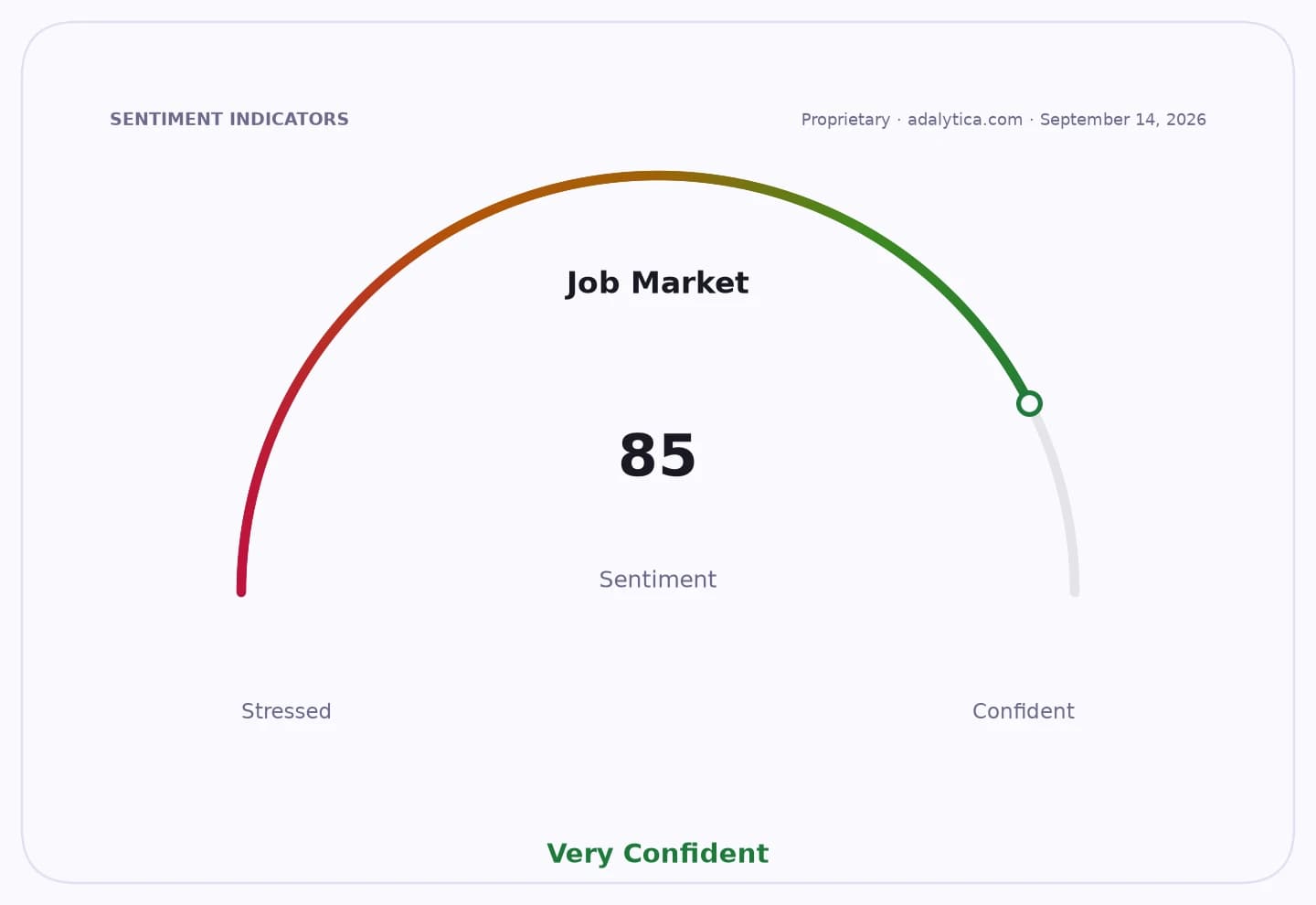
Sentiment IndicatorsⓘProprietary · adalytica.com · September 13, 2026
This is a snapshot — live sentiment, awareness and momentum for 130+ markets update continuously in the dashboard.Open AlphaPulse
That gap matters because it points to a labor market where perceived requirements are rising faster than young workers’ confidence, even if the research does not prove an objective shortage of skills. For employers, the mismatch can lengthen hiring cycles and increase onboarding and training costs. For graduates, it can mean weaker bargaining power and a slower transition from school to work.
The biggest gaps were in time management and professional skills. Students put expected time-management ability at 4.61, but rated themselves at 3.95. For professional skills, the spread was wider still: 4.22 versus 3.48.
Experience appears to narrow the divide. Students with more than six months of work experience rated their professional skills at 4.19, compared with 3.13 among those with no experience, suggesting workplace exposure helps convert abstract expectations into confidence and measurable capability.
The findings land in a broader labor market where employers continue to complain that soft skills are hard to define and harder to find. The study argues universities should integrate skills such as communication, leadership, flexibility and stress management more directly into coursework, including more explicit feedback and more realistic assessment tied to workplace scenarios.
That makes the issue relevant well beyond academia. Staffing firms, payroll processors and employers are still operating in a market where competition for skilled workers remains intense, and companies say it has become more difficult and expensive to recruit and retain talent. If graduates leave school feeling underprepared, firms may need to spend more on training at a time when labor costs remain a focus for margins.
The next catalyst is whether universities and employers act on the study’s recommendations. If they do, the payoff could be a faster school-to-work transition; if they do not, the perception gap could keep feeding frustration among graduates and hiring pressure for employers.
| Entity | Gains | Losses |
|---|---|---|
| Universities | ▲Better employability outcomes | ▼Pressure to reform curricula |
| Employers | ▲Graduates with clearer workplace skills | ▼Higher training and hiring costs |
| Students with experience | ▲Higher confidence and readiness | ▼Less practical exposure for peers without work |
| Students without experience | ▲— | ▼Wider perceived skills gap |