Young engineers are running into one of the weakest hiring markets in years, and the reason matters far beyond campus recruiting: companies are using offshoring and cost cuts to protect margins as global growth stays uneven.
Burckhardt Compression cuts 148 jobs, shifts 60 to India

That is bad news for graduates looking for a first foothold in the profession, but it also tells investors something more important. When firms decide they can relocate production and technical work abroad, it usually means wage pressure is building at home and employers are still prioritizing efficiency over expansion. In other words, the engineering labor market is not just soft — it is being reshaped.
Sentiment IndicatorsⓘProprietary · adalytica.com · September 19, 2026
This is a snapshot — live sentiment, awareness and momentum for 130+ markets update continuously in the dashboard.Open AlphaPulse
The latest signal is coming from Switzerland, where Burckhardt Compression plans to cut 148 jobs in Winterthur and move about 60 positions to India. The cuts are centered in production roles, highlighting a familiar pattern across industrial and technical businesses: keep high-value design and management functions, shift lower-cost work to places where talent is plentiful and labor is cheaper.
That dynamic fits a broader cooling in labor demand. U.S. unemployment is forecast to tick to 4.02% in September from 4.1% in August, still low by historical standards but enough to reinforce the idea that job gains are slowing. Job openings in the U.S. have also retreated from the highs of the post-pandemic surge, with openings projected around 7,402,000 in August, far below the 2021 and 2022 peaks. For fresh engineers, that means the market has moved from shortage to competition.
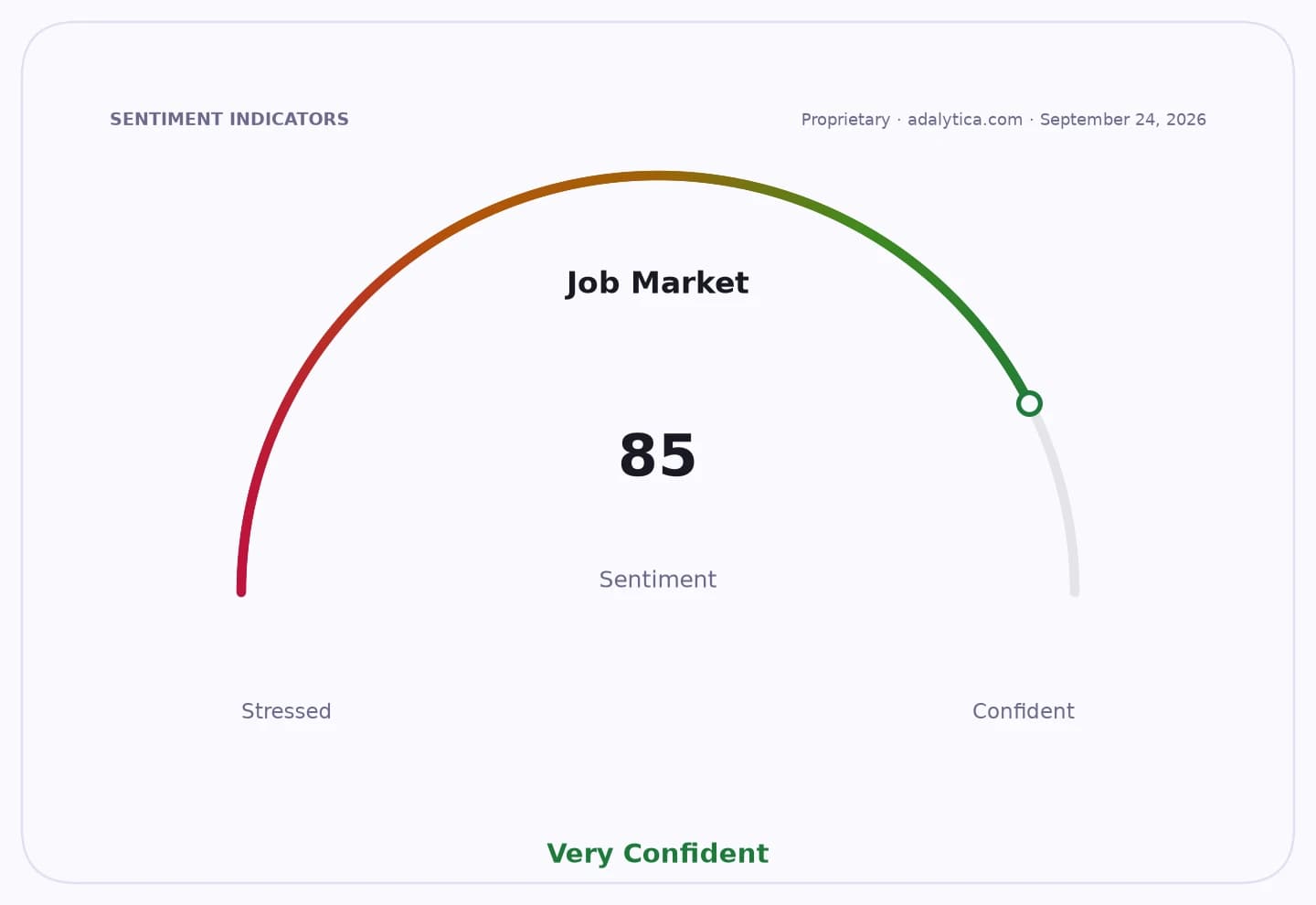
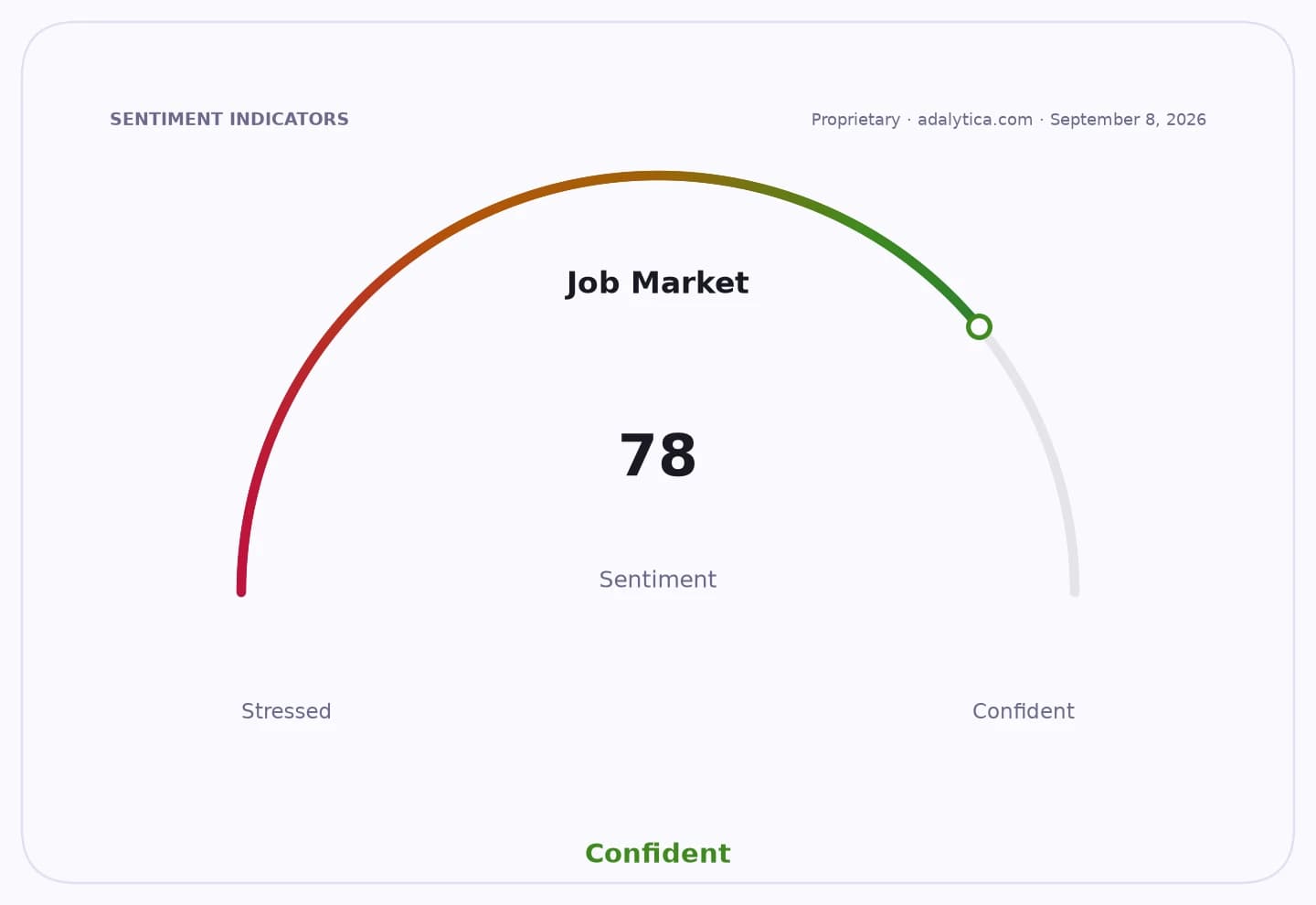
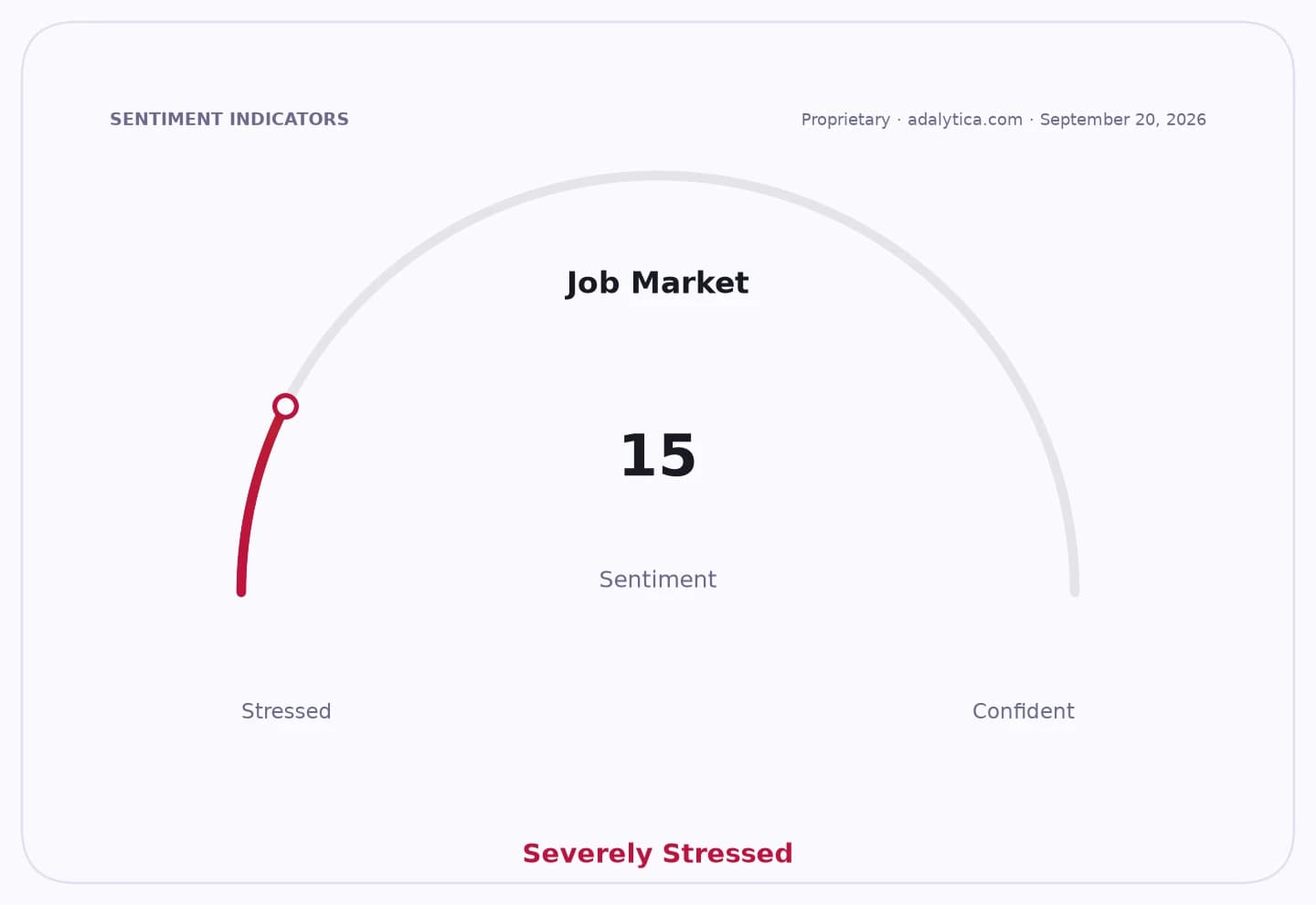
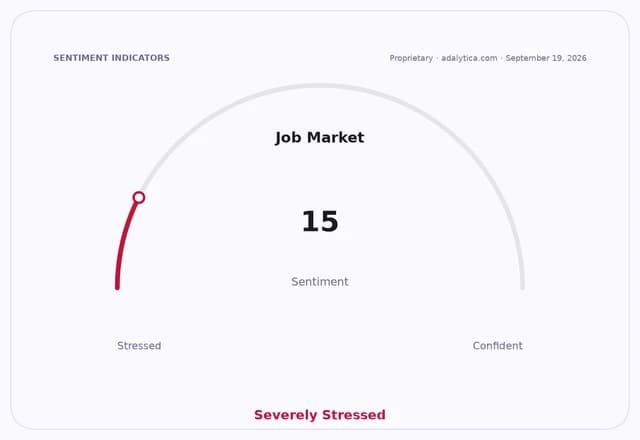
Adalytica’s Job Market Sentiment gauge puts the mood in “Extreme Fear,” with sentiment at 15 and awareness at 26, underscoring how quickly confidence has faded. That is consistent with what many graduates are feeling: more applications, fewer interviews, and employers with more leverage on pay and role selection.
For investors, this is not just a labor story — it is a margin story. Companies that can offshore work or delay domestic hiring may preserve profitability even in a slower economy. That can support earnings, especially in capital-intensive industries where wage costs are a meaningful line item. But it also says something about demand: if firms need to squeeze costs this hard, they are not seeing enough visibility to ramp hiring aggressively at home.
The split between winners and losers is becoming clearer. Low-cost engineering hubs in India stand to gain as more work migrates offshore. Global industrial and technology companies gain flexibility and lower labor expense. Fresh graduates and domestic workers, meanwhile, lose bargaining power. Even within engineering, the divide is sharp: firms tied to cost optimization and automation are better positioned than those depending on expanding payrolls.
The long-term takeaway for investors is simple. The best businesses are still the ones that can do more with less — through automation, software, and global talent access. That favors diversified exposure to high-quality industrial and technology franchises, not bets on a quick labor rebound. For job seekers, the lesson is harsher: in a world of slower growth and more offshoring, specialization and adaptability matter more than ever.
| Entity | Gains | Losses |
|---|---|---|
| India-based engineering hubs | ▲More jobs and investment | ▼Higher competition for talent |
| Global employers | ▲Lower labor costs | ▼Less domestic hiring flexibility |
| Fresh engineers | ▲More need to specialize | ▼Toughest entry-level job market |
| Domestic labor markets | ▲— | ▼Wage pressure and fewer openings |