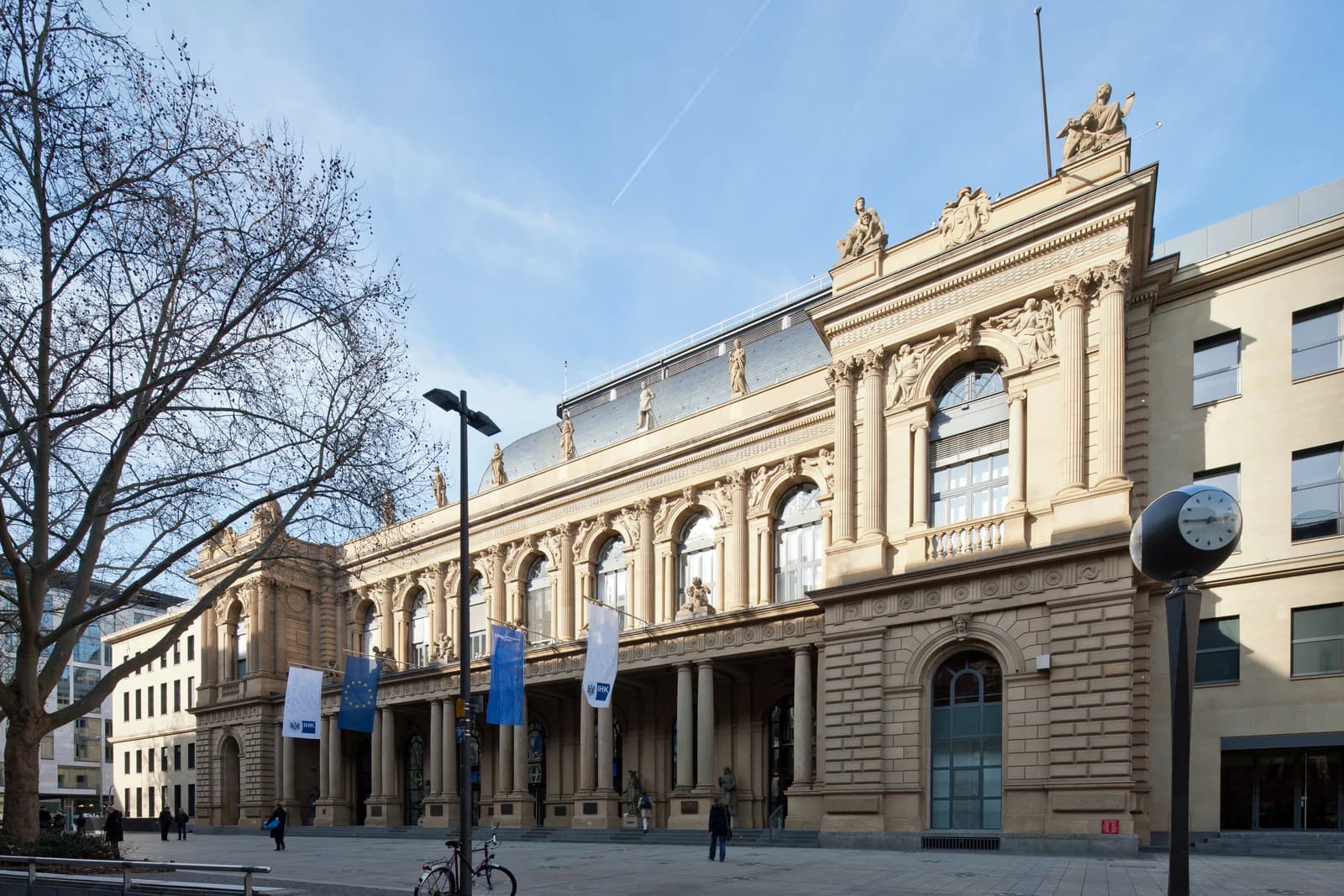
Portugal’s prime minister is using a New York Stock Exchange visit to sell a simple message to investors: the country wants more U.S. capital, and the numbers suggest the relationship is already material enough to matter.
Portugal Seeks U.S. Investment on NYSE Visit
Luís Montenegro’s stop at the NYSE at the start of a three-day U.S. trip comes as Portugal tries to leverage stronger growth, a shrinking public debt burden and a fresh A+ rating from Fitch to attract foreign investment at a time when global capital is still concentrating in the deepest markets. For investors, the trip is less about ceremony than positioning Portugal as a more credible European destination for energy, pharmaceuticals and other capital-intensive sectors that need long-duration funding.
Sentiment IndicatorsⓘProprietary · adalytica.com · September 26, 2026
This is a snapshot — live sentiment, awareness and momentum for 130+ markets update continuously in the dashboard.Open AlphaPulse
The economic case is straightforward. The U.S. was Portugal’s fourth-largest goods customer in 2025, accounting for 5.8% of exports, or 4.6 billion euros, while also ranking as its 10th-largest supplier with 2.4 billion euros in imports. That makes the transatlantic relationship meaningful for a country of Portugal’s size, especially as Europe faces slower growth and investors continue to hunt for markets with improving fiscal metrics and lower sovereign risk.
The timing also helps explain the pitch. Portugal is entering the gathering with a stronger fiscal narrative than much of the euro area, and the government wants that story translated into actual capital inflows. A visit to the NYSE, capped by the closing bell ceremony, is designed to put Portugal in front of one of the world’s most influential pools of institutional money at a moment when rates are still elevated and investors are discriminating sharply between sovereigns and credits.
That is where markets should pay attention. A country with falling debt, surplus public accounts and a better rating can become a more attractive financing base for domestic companies, while also improving the odds of cross-border M&A, project finance and U.S. direct investment. Portugal’s push into energy and pharmaceuticals also fits the market’s broader preference for assets tied to structural demand, regulatory visibility and long-dated cash flows.
The broader narrative is that small, fiscally cleaner eurozone economies are trying to use higher-for-longer global capital costs to their advantage. If Portugal can turn symbolic access to Wall Street into more tangible investment commitments, the payoff could extend beyond headlines: cheaper funding, stronger foreign participation and a larger role in the next wave of European industrial and energy spending.
For investors, the actionable takeaway is to watch Portuguese sovereign debt, domestic utilities, pharma and infrastructure names, along with any U.S.-linked partnerships that emerge from the visit. In a market that rewards credibility and cash flow, Portugal is trying to convert diplomacy into a lower risk premium — and that can matter more than the ceremony itself.
| Entity | Gains | Losses |
|---|---|---|
| Portugal government | ▲Investor visibility | ▼None if pitch falls flat |
| Portuguese exporters | ▲U.S. demand access | ▼Tariff uncertainty |
| U.S. investors | ▲New eurozone opportunities | ▼Missed upside if ignored |
| European peers | ▲Benchmark pressure | ▼Relative capital inflow risk |