Portugal could be forced to return as much as 1 billion euros from its EU recovery plan if it keeps a visa program that Brussels views as incompatible with the fund’s rules, turning what had looked like cheap development capital into a potential fiscal liability.
Portugal Visa Dispute Threatens EU Recovery Funds
That matters because the PRR, Portugal’s Recovery and Resilience Plan, is not just another grant stream. It is a cornerstone of public investment, infrastructure rollout and private-sector confidence in a country still leaning on EU support to accelerate growth. If Lisbon has to repay part of the money, the hit would squeeze an already tight policy mix and raise the cost of delay on projects tied to housing, transport, energy and digital infrastructure.
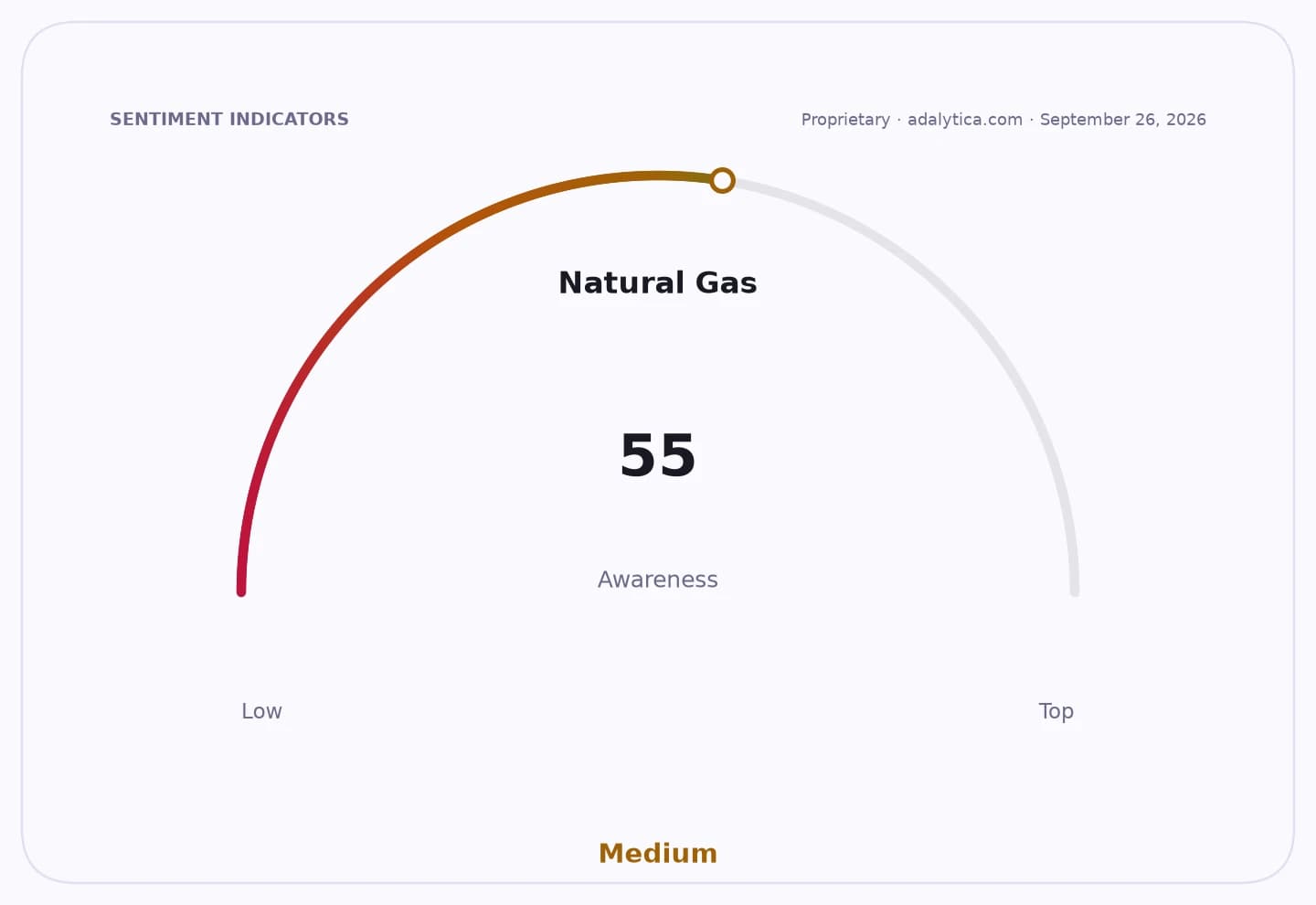
Sentiment IndicatorsⓘProprietary · adalytica.com · July 15, 2026
This is a snapshot — live sentiment, awareness and momentum for 130+ markets update continuously in the dashboard.Open AlphaPulse
For investors, the risk is less about one headline payment than about what it signals: Brussels is willing to enforce conditionality, and Portugal may have to choose between preserving a visa regime and preserving recovery funding. That kind of trade-off can affect sovereign spreads, bank exposure to domestic growth, and the valuation of Portuguese assets that depend on steady public investment. It also lifts the premium on companies positioned to benefit from alternative funding sources or from any reallocation of capital away from state-led programs.
The market backdrop suggests the story is gaining traction. Portugal-focused shares tracked by the iShares MSCI Spain ETF, EWP, have pushed to fresh highs around 59.60, with the fund trading above both its 50-day and 200-day moving averages. The move reflects broader confidence in southern Europe, but it also leaves room for disappointment if fiscal or policy friction starts to threaten funding flows. Spain’s broader European equities proxy, VGK, has also stayed firm near 89.12, underscoring that investors are still treating the region as a beneficiary of improving capital flows and a softer dollar.
That makes the PRR dispute more than a technical compliance issue. It is a test of whether Portugal can keep drawing on Europe’s recovery machinery while preserving domestic policy flexibility. If the visa policy is amended, the fund remains intact and the investment impulse survives. If not, the economic cost could show up in slower project execution, weaker construction demand and a higher burden on the state to replace lost EU money.
The bigger lesson is that Europe’s recovery funds are no longer free money in practice; they are leverage. Countries that satisfy the rules will keep getting the capital. Those that do not may have to give it back. For investors, the asymmetric trade is to favor the beneficiaries of compliant public spending, while being cautious on sectors and assets that rely on uninterrupted PRR disbursements.
| Entity | Gains | Losses |
|---|---|---|
| Portuguese government | ▲Keeps PRR funding if rules change | ▼Faces fiscal payback risk |
| EU/Brussels | ▲Enforces conditionality | ▼Takes criticism for hard line |
| Contractors and infrastructure firms | ▲Continued project pipeline | ▼Delayed or canceled spending |
| Portuguese assets/EWP holders | ▲Stable recovery-driven growth | ▼Policy shock and funding drag |