Portuguese companies are heading into 2027 with growth on the agenda, but with digitalization and artificial intelligence now at the top of their investment priorities as they try to defend margins and raise productivity in a more uncertain world.
Portuguese companies boost AI and digital investment

That is the key message from KPMG’s latest barometer, which points to a corporate sector that is still expanding despite a difficult international backdrop. About 82% of companies expect turnover to rise in 2027, while 62% plan to increase investment. The optimism is grounded in recent performance: 72% said sales rose over the past nine months, and 79% still expect to grow versus 2025.
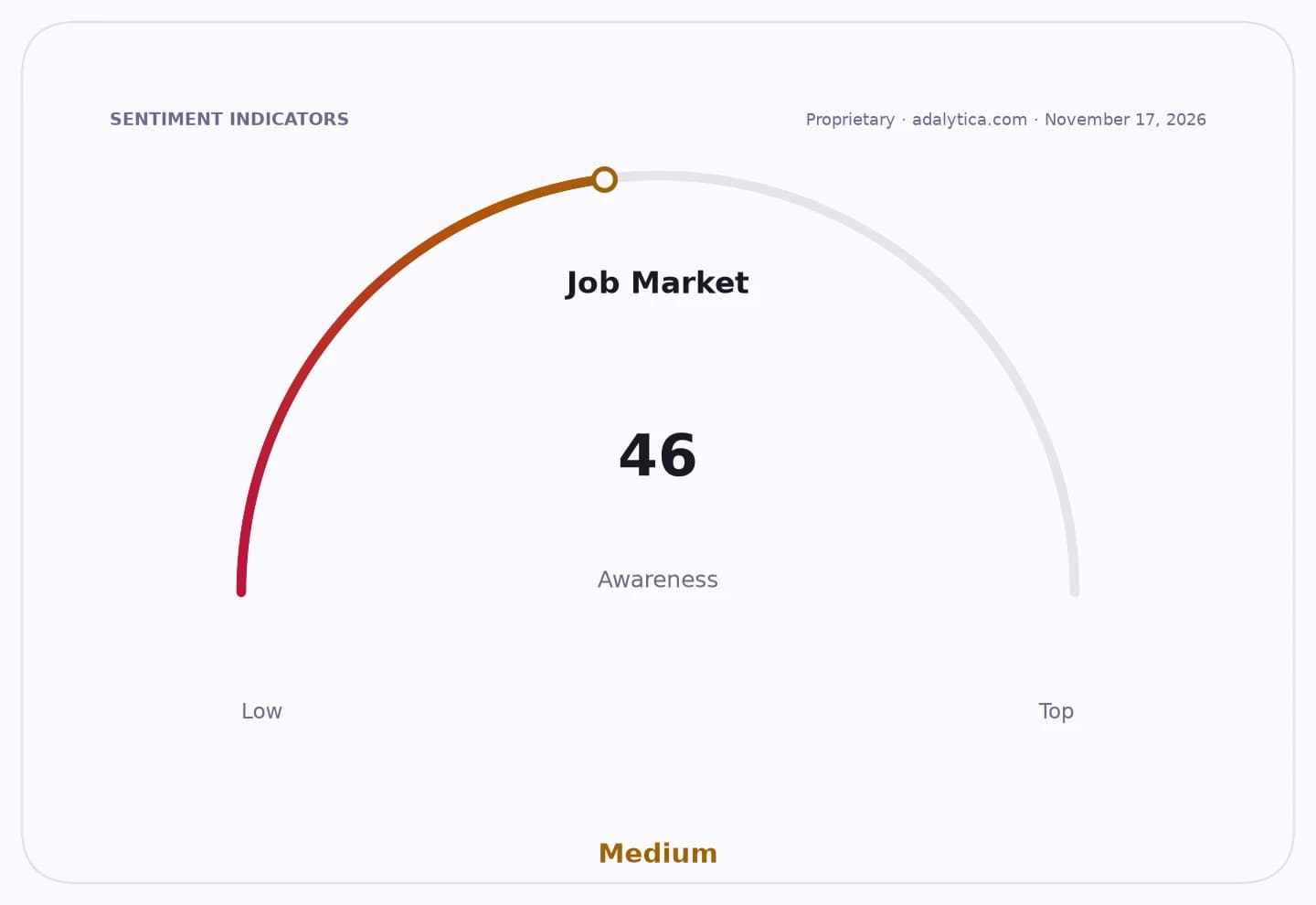
Sentiment Indicators
The shift in priorities matters economically because it suggests Portuguese firms are moving from recovery mode to a productivity cycle. In a slower-growth European economy, higher investment in automation, data and AI can lift output without relying entirely on hiring or pricing power. KPMG said 48% of organizations already reported productivity gains from AI, underscoring that the technology is moving from pilot projects to operational use.
For investors, that has implications across the domestic corporate landscape. Companies that can use AI to streamline back-office processes, shorten customer response times and improve decision-making may protect margins better than peers still reliant on labor-intensive workflows. That could favor software, systems integration, cloud services and industrial automation providers, while putting pressure on businesses that fail to modernize.
The barometer also shows that this is not a complacent outlook. Firms identified geopolitical and trade tensions as the main external risk for 2027, followed by inflation. That mix is important for capital allocation: it argues for efficiency, supply-chain resilience and selective investment rather than broad-based expansion. It also helps explain why the simplification of administration and lower bureaucracy were singled out as priorities around the state budget debate.
The broader narrative is that Portuguese companies are not just expecting another year of growth; they are trying to buy that growth through digital transformation. If the investment cycle holds, 2027 could be a year when productivity gains start to matter more than cyclical demand. The risk for investors is that geopolitical shocks or sticky inflation could delay that spending, but the base case in this survey is clear: firms are preparing to spend in order to grow, not waiting for growth to appear first.
| Entity | Gains | Losses |
|---|---|---|
| Portuguese companies | ▲Higher productivity | ▼Legacy workflows |
| AI and digitalization vendors | ▲More corporate spending | ▼Manual-process providers |
| Investors in automation/software | ▲Margin expansion potential | ▼Firms slow to modernize |
| Exporters and importers | ▲Faster operations | ▼Businesses exposed to trade shocks |