Bill Gates is warning that artificial intelligence could erase demand for several routine office jobs within a decade, putting fresh focus on how quickly AI may reshape hiring, wages and white-collar employment.
Bill Gates Warns AI Could Cut Office Jobs
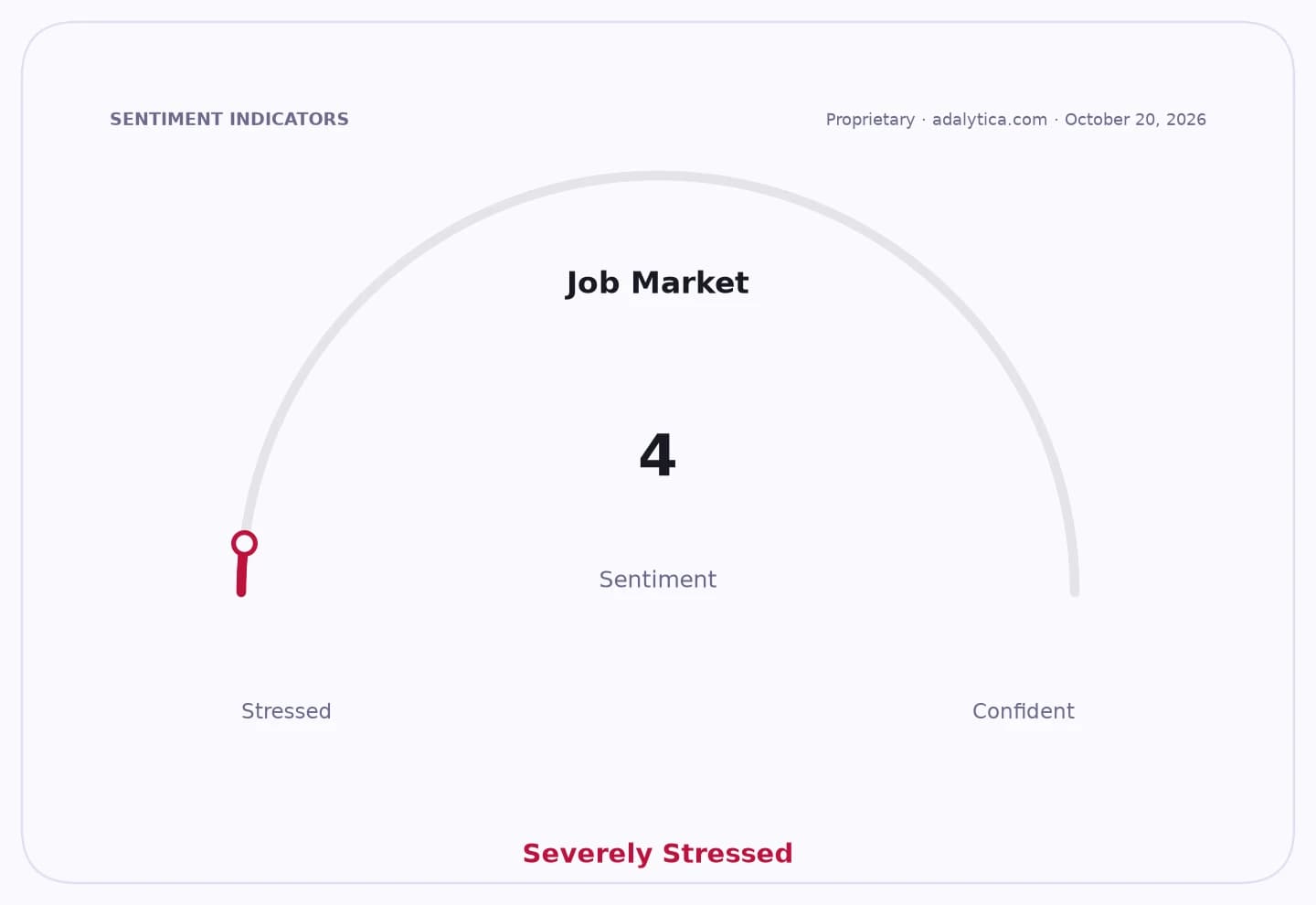
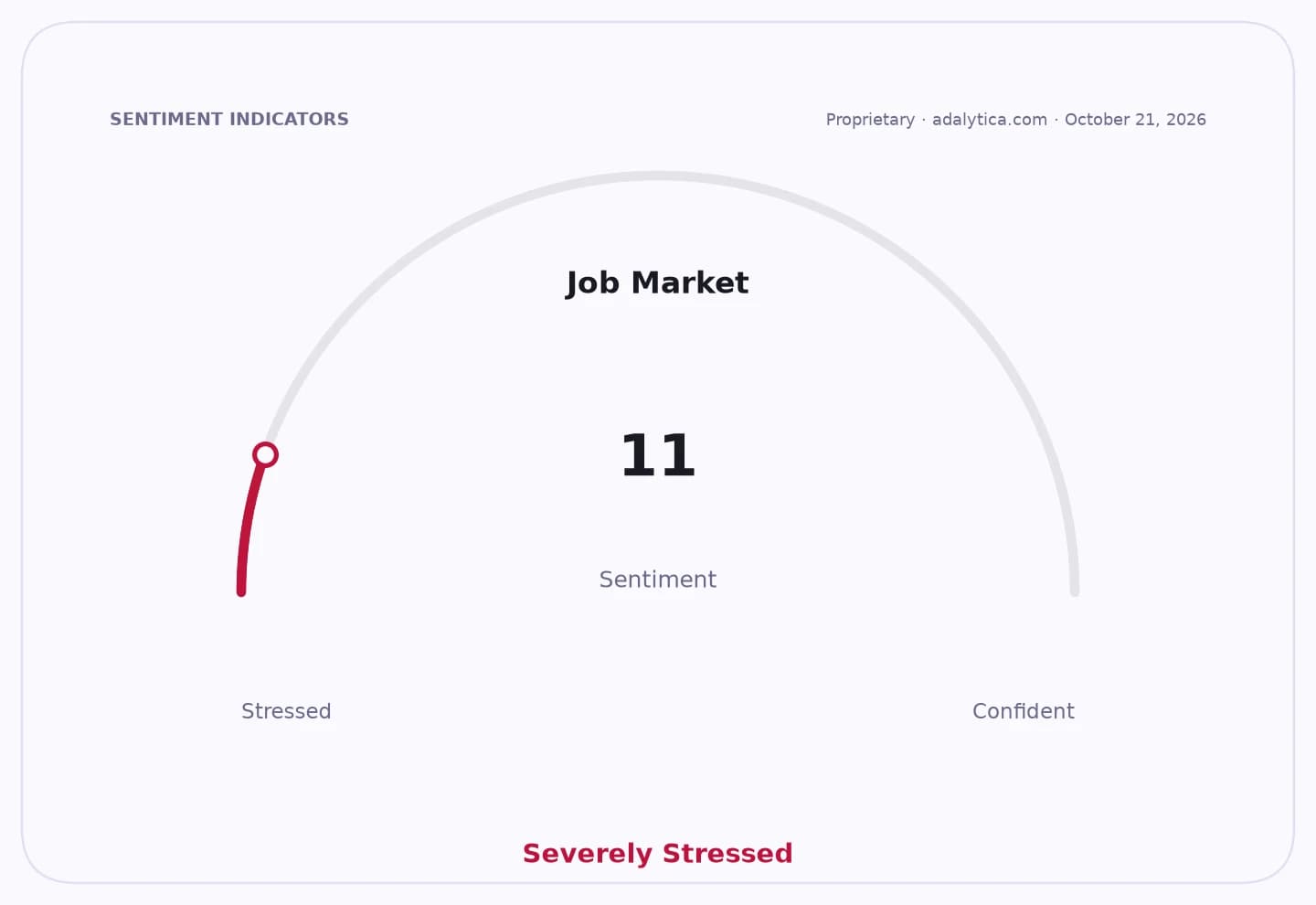
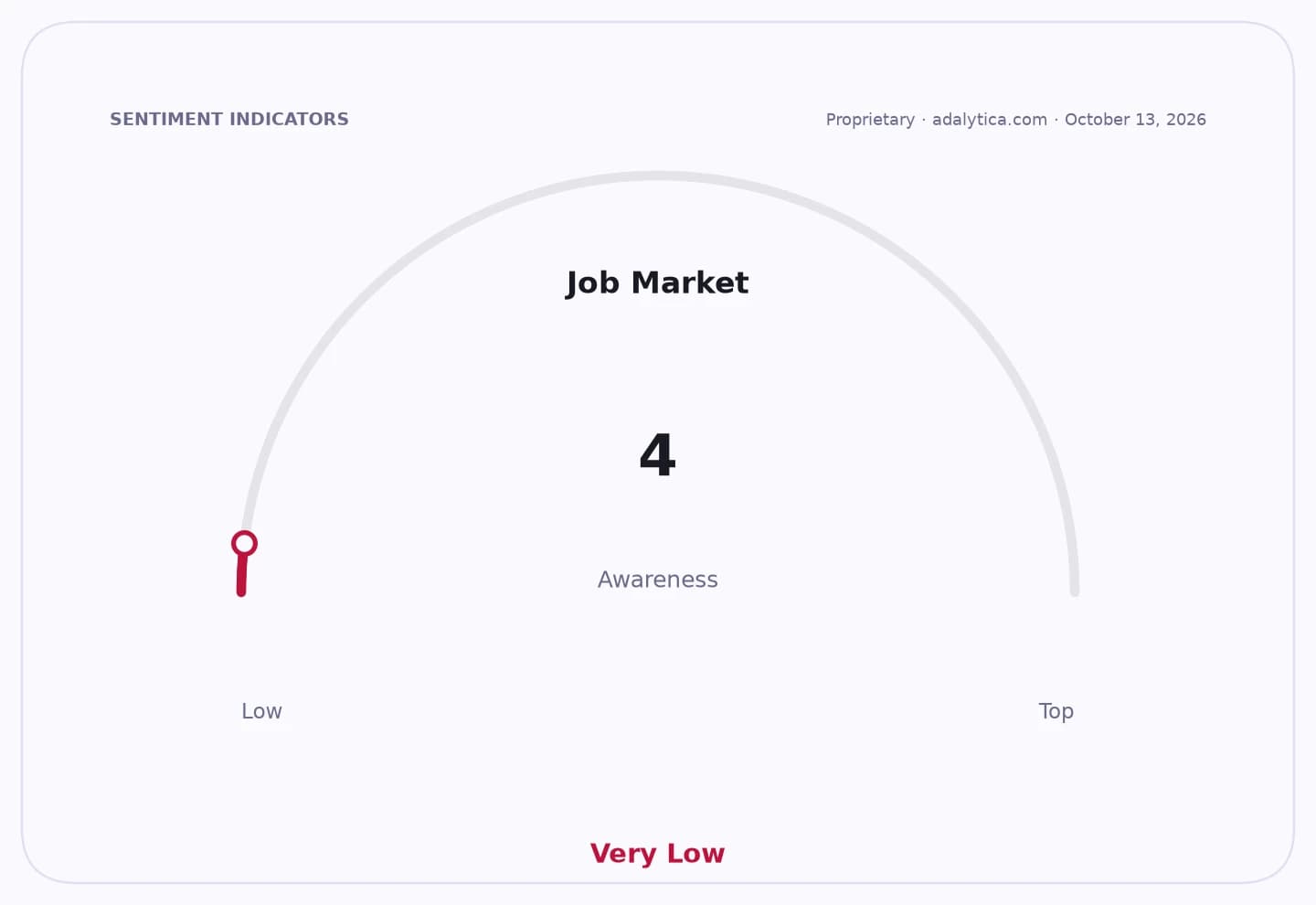
Job Market
The Microsoft co-founder said in a post on his GatesNotes blog that sales, phone-based customer service and accounting are among the roles most exposed as companies increasingly automate repetitive tasks. He also said entry-level and mid-level workers are likely to face the sharpest pressure as AI systems become capable of handling work that once required human employees.
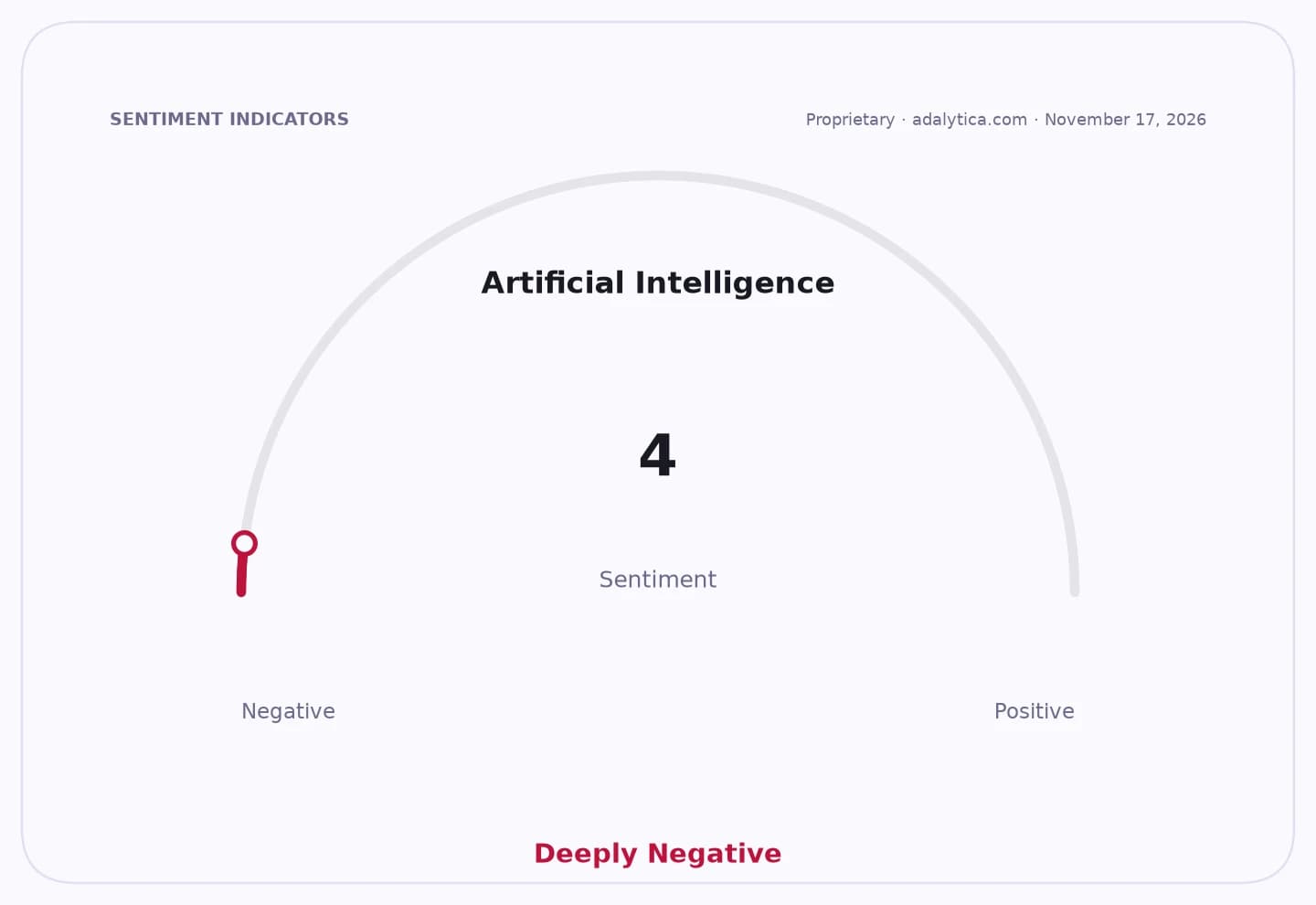
Sentiment Indicators
The significance for the economy is bigger than any one job category. If AI keeps moving from experimental tools to workflow infrastructure, it could slow hiring in clerical and administrative roles, change the mix of jobs companies create and widen the gap between workers who can use AI and those whose roles are easier to replace. Gates said the transition could unfold over 10 years rather than several generations, underscoring how fast labor-market change could arrive.
That matters to investors because AI adoption is no longer just a growth story for chipmakers and cloud providers; it is turning into a margin story for every company with large payrolls and standardized back-office work. Investors are already watching whether AI can boost productivity enough to offset the cost of heavy spending on models, data centers and software, especially at the megacap technology names most exposed to the buildout.
The warning lands as markets keep pricing AI as both an earnings driver and a labor shock. Microsoft, which Gates co-founded, and Alphabet are central to that trade, while Nvidia remains the biggest hardware beneficiary of the infrastructure buildout. But the broader market also has to weigh the political and social cost if AI starts displacing workers faster than governments and employers can retrain them.
Gates said the world still lacks a clear plan for managing the transition, and he warned the adjustment period could last about 20 years, with unequal winners and losers. For investors, the next catalysts are likely to be corporate earnings calls, hiring data and any policy response aimed at cushioning the labor impact of AI.
| Entity | Gains | Losses |
|---|---|---|
| AI software and chip makers | ▲Higher adoption and spending | ▼Labor backlash and regulation risk |
| Large employers | ▲Lower routine labor costs | ▼Transition costs and worker pushback |
| White-collar workers in sales, support, accounting | ▲AI-assisted productivity tools | ▼Job displacement and weaker demand |
| Governments and unions | ▲New leverage for policy and protections | ▼Pressure to respond faster |