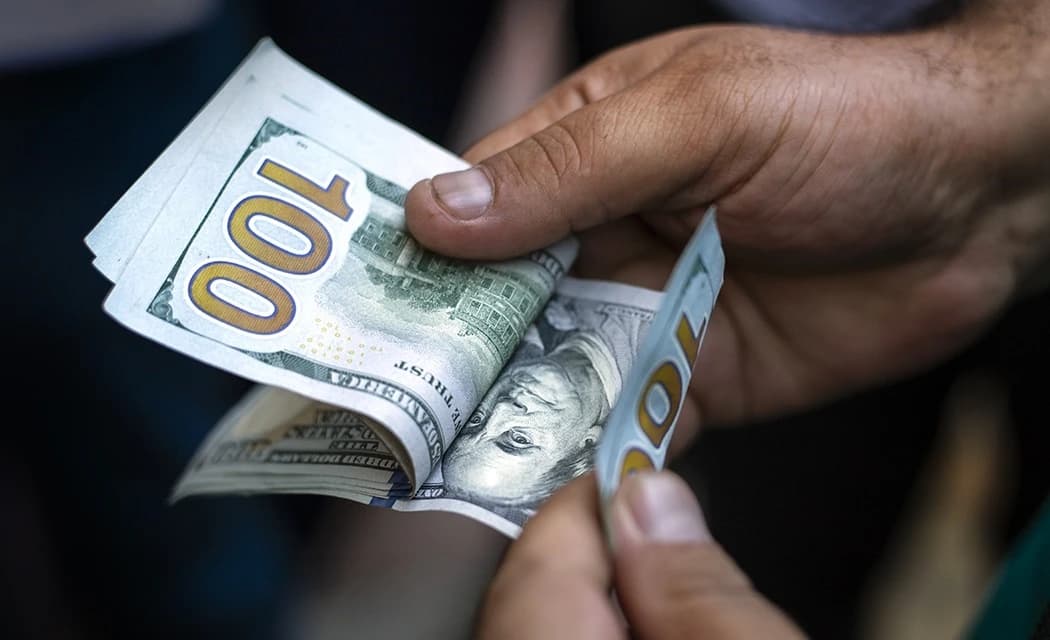
The pound sterling weakened even after the Bank of England left interest rates unchanged at 3.75%, underscoring that investors are increasingly trading the currency on growth fears and policy disappointment rather than on the headline decision itself.
Pound Sterling Falls After Bank of England Holds
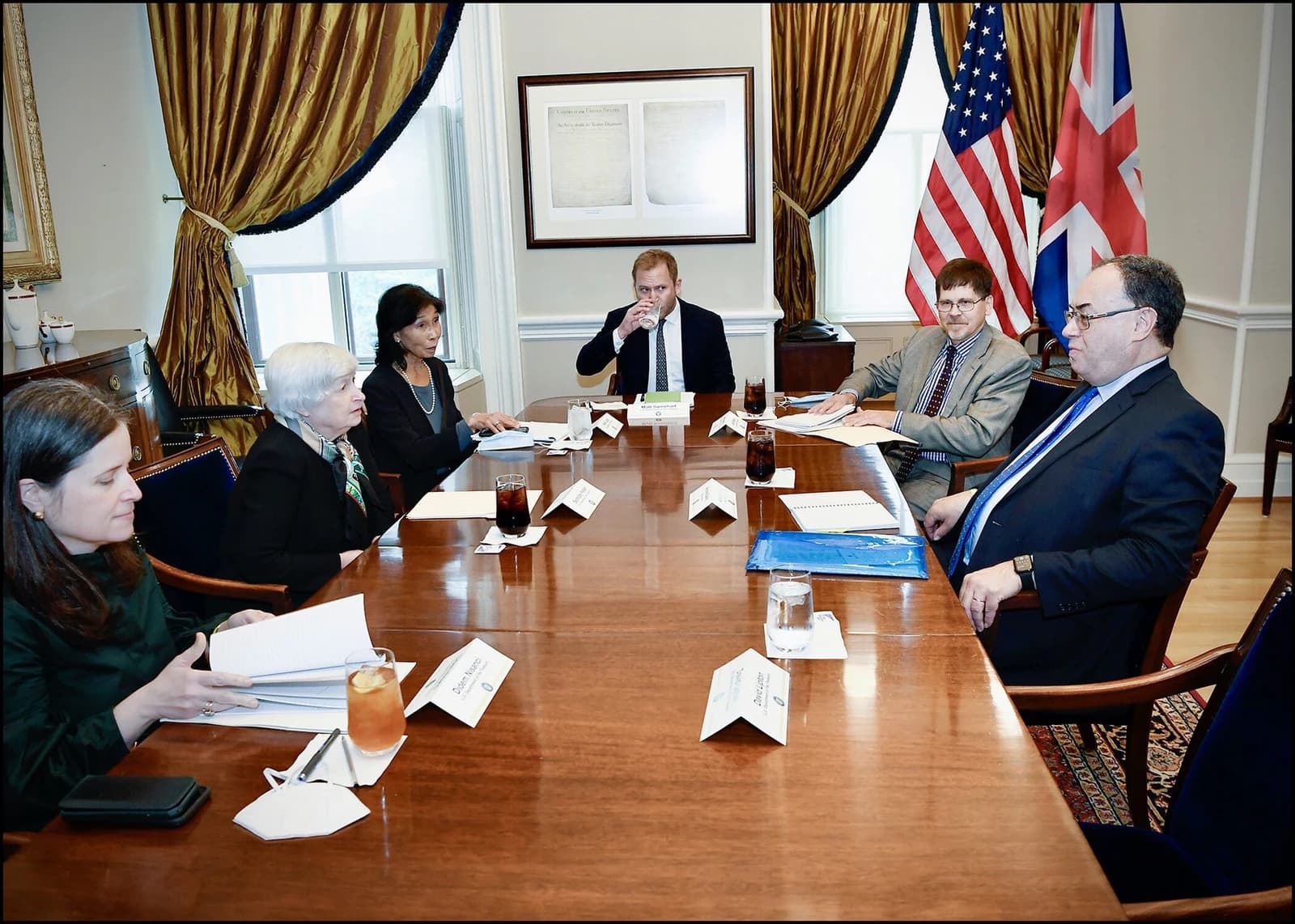
That matters because sterling is being priced less like a beneficiary of sticky inflation and more like a currency vulnerable to a softer UK economy. The BoE’s 6-3 vote to hold rates was widely expected, but the central bank also flagged upside risks to inflation from energy prices, with one scenario putting headline inflation near 4% by the first quarter of 2027. Even so, the market has already built in more than 100 basis points of potential rate hikes, leaving room for expectations to be trimmed if oil prices fall or growth data weakens.
Sentiment IndicatorsⓘProprietary · adalytica.com · September 26, 2026
This is a snapshot — live sentiment, awareness and momentum for 130+ markets update continuously in the dashboard.Open AlphaPulse
For investors, that disconnect is the key. The pound’s recent slide to a near three-month low against the dollar shows the market is looking through the BoE’s current stance and focusing on relative growth and rate spreads. Two-year yield differentials still suggest sterling is expensive versus both the euro and the dollar, according to UBP, which argues the currency has room to depreciate further if a catalyst arrives. That catalyst may come quickly: flash PMI data next week will be the first real test of whether Britain is slowing more sharply than the euro zone or the US.
The technical picture reinforces the bearish case. GBP/USD is trading around 1.32, below its 50-day and 200-day moving averages, while RSI readings in the high teens point to heavy downside momentum. In contrast, FXB, the pound-tracking ETF, has slipped below both its 50-day and 200-day averages as well, a sign that currency traders have not bought the BoE’s hold decision as a reason to reprice sterling higher.
The broader narrative is simple: the BoE may be on hold, but the pound is not. With the market already leaning on aggressive tightening, sterling now depends on stronger activity data and a more hawkish policy path to recover. If the PMI numbers disappoint, the next move may be a further adjustment lower in the currency, not because the BoE changed course, but because the economy may force investors to change theirs.
| Entity | Gains | Losses |
|---|---|---|
| UK exporters | ▲Cheaper pound support | ▼Imported inflation pressure |
| UK importers | ▲— | ▼Higher input costs |
| FXB bulls | ▲— | ▼Falling ETF price |
| Euro and dollar bulls | ▲Relative FX strength | ▼— |