A $15 pint of ice cream is not just a dessert story — it is a sign that the U.S. consumer is still paying up for premium indulgence even as sentiment sours, and that matters for everything from grocery pricing power to consumer-staple equity valuations.
Premium Snacks Gain as Consumers Trade Selectively
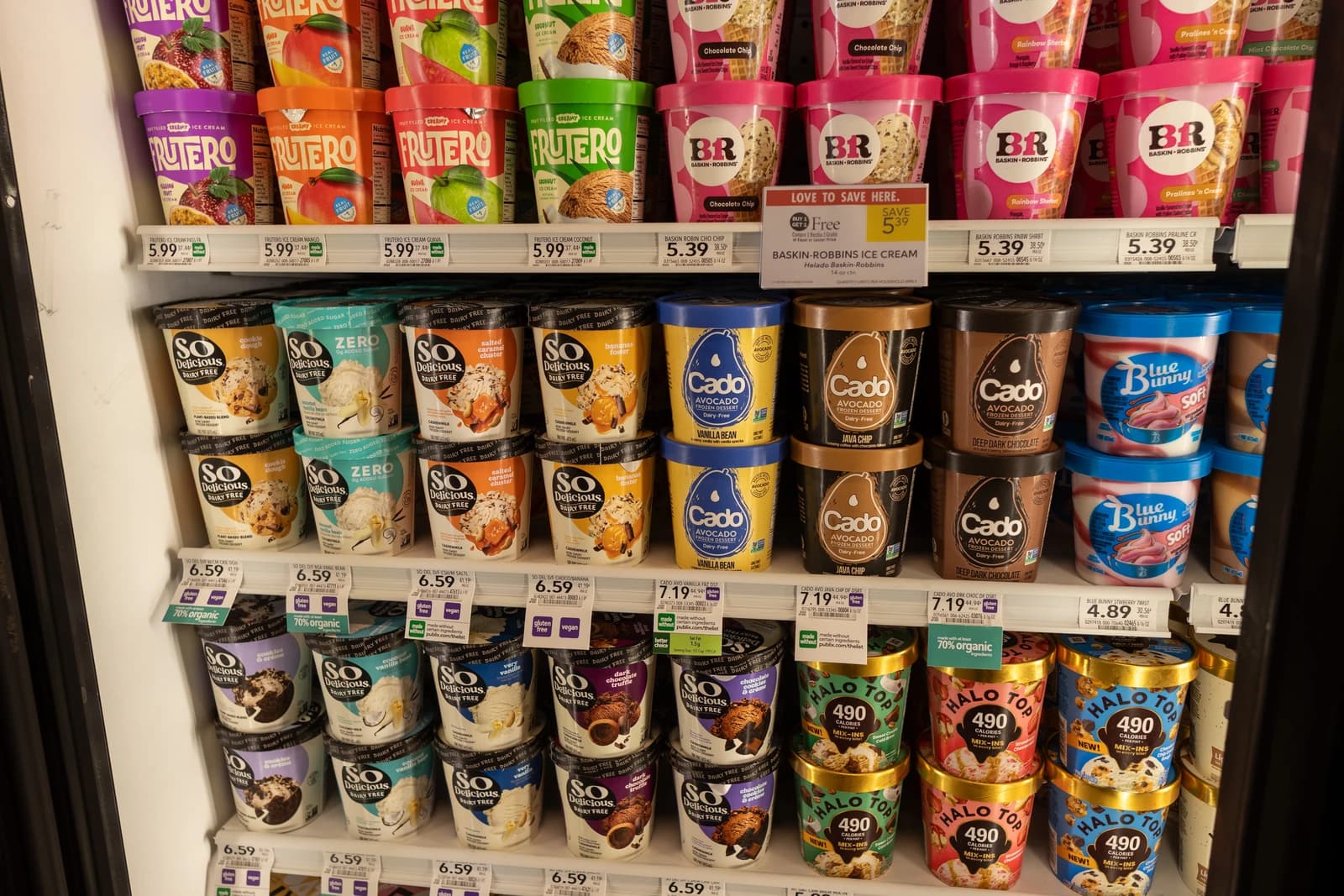
The real market takeaway is that shoppers are getting more selective, not necessarily disappearing. That is a crucial distinction for investors because it tends to favor brands with scale, pricing power and premium positioning while punishing undifferentiated value players. In other words, the economy is not simply weakening; it is fragmenting, and that fragmentation creates winners.
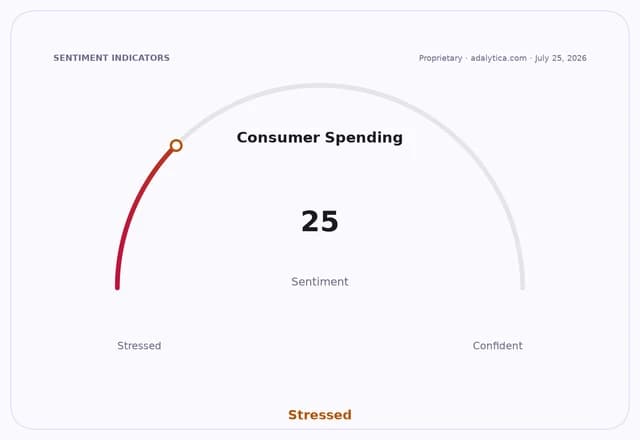
That is the narrative sitting behind the latest consumer-spending gauges. Adalytica’s Consumer Spending Sentiment snapshot shows fear at 25 and awareness at 14, both in extreme-fear territory, with sentiment down sharply over the past month. Yet the market has not fully translated that caution into a broad collapse in demand for higher-end packaged food and beverage names. Instead, consumers appear willing to trade down in some categories while still trading up in items they view as affordable luxuries.
That dynamic is exactly why premium consumer brands remain interesting. When inflation resets the price architecture of everyday goods, a pint of ice cream at $15 stops looking outrageous and starts looking like a small-ticket indulgence. For companies with strong branding, such as Mondelez, Monster Beverage and Hershey, the ability to protect margins through premium mix and disciplined pricing becomes a much bigger competitive advantage than raw unit growth.
The stock action reflects that tension. Monster Beverage has surged well above both its 50-day and 200-day moving averages this year, though recent pullbacks and a softer RSI suggest the trade is extended but still fundamentally supported. Hershey has also recovered from earlier weakness, but remains well below its longer-term average, a reminder that not every consumer brand is being rewarded equally. Mondelez, meanwhile, has been more stable, with the shares hovering near their 50-day moving average after an uneven stretch that included evidence of pricing gains offset by volume pressure in the company’s latest filings.
That is the core investment lesson: pricing power is only valuable if the consumer can still absorb it. Mondelez has said higher net pricing in the first quarter was outweighed by inflation in input costs and unfavorable volume/mix, including declines tied to pricing elasticity. That is the push-pull investors should watch now. A company can raise prices and still lose if shoppers blink. But if premium items keep moving — even in smaller baskets — the market will continue to reward brands that can command more per unit without collapsing demand.
The broader macro signal is even more important. Consumer stress does not arrive evenly. It shows up first in discretionary volume, then in private-label substitution, and only later in a hard deterioration in spending. The fact that premium indulgences can still command premium prices suggests the consumer is strained but not broken. That is a soft-landing style data point for the economy, even if the tone around households is increasingly cautious.
For investors, that creates a clear playbook. The market underestimates the durability of premium consumer franchises when inflation normalizes but preferences do not. I believe the next leg of outperformance will come from brands that sit at the intersection of indulgence, affordability and global scale — names that can keep shelf space, hold pricing, and protect cash flow even as spending sentiment remains weak.
That makes the opportunity less about chasing the entire consumer sector and more about owning the toll roads of premium snacking and beverage demand. If consumers keep buying expensive small pleasures while cutting back elsewhere, the best-positioned stocks are the ones that sell emotional comfort with pricing power attached.
| Entity | Gains | Losses |
|---|---|---|
| Premium brands | ▲Pricing power, margin resilience | ▼Volume-sensitive rivals |
| Mondelez, Hershey, Monster | ▲Premium mix, brand loyalty | ▼Private-label and weak-tier competitors |
| Consumers | ▲Affordable indulgence | ▼Budget discipline |
| Value retailers | ▲Trade-down traffic | ▼Premium-priced categories |