Procter & Gamble said it is still on track to meet its full-year targets after a first-quarter performance that pointed to resilient demand for household staples even as consumers remain selective on spending.
Procter & Gamble Reaffirms Full-Year Outlook

The confirmation matters because P&G is one of the clearest bellwethers for global packaged-goods demand, pricing power and the health of the consumer. When a company with brands spanning beauty, grooming, fabric care and home care can reaffirm guidance after a quarter marked by cautious shoppers, it suggests the staples sector still has room to defend volumes and margins without leaning excessively on price increases.
For investors, the key takeaway is that the earnings base remains sturdier than the market sometimes assumes. P&G’s shares have recovered sharply over the past year, with the stock recently trading around $158, above both its 50-day and 200-day moving averages. Momentum has improved, though the RSI remains elevated, indicating the shares are still extended after the run-up. That leaves less room for disappointment, but it also reflects growing confidence that the company can keep delivering steady cash flow in a weaker consumer environment.
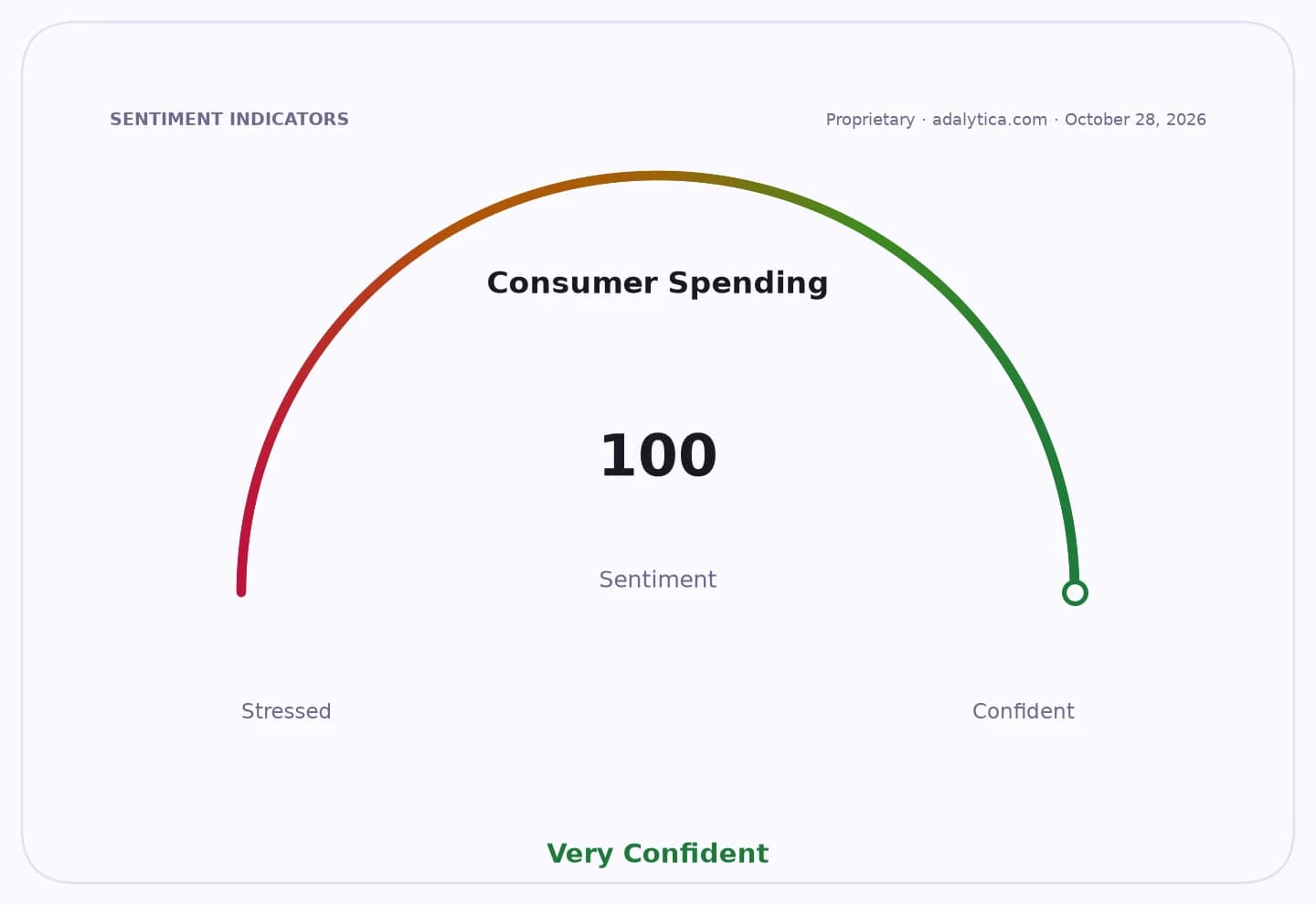
The broader staples backdrop is supportive. Recent consumer data and retailer commentary suggest households are continuing to trade down toward essentials, a pattern that tends to favor large incumbents with scale, distribution and strong brand equity. P&G is well positioned to capture that behavior, but the trade-off is that value-seeking shoppers can also pressure premium mix and force companies to rely more on productivity gains and cost discipline to protect earnings.
That is the central tension for the sector: volume resilience versus pricing fatigue. P&G can usually offset softer categories with efficiency and selective price/mix improvements, but if consumers become more resistant to further increases, margin expansion gets harder. The company’s ability to reaffirm its annual outlook therefore reassures investors that the balance remains intact for now, even if the path forward is narrower than in the post-pandemic inflation surge.
The stock’s recent strength also stands in contrast with peers such as Kimberly-Clark and Colgate-Palmolive, which have seen their own shares fluctuate around technically overbought levels as investors rotate between defensive names. For P&G, the next catalyst will be whether the company can translate its guidance confidence into cleaner earnings and cash-flow delivery over the next several quarters without sacrificing growth in core categories.
| Entity | Gains | Losses |
|---|---|---|
| Procter & Gamble | ▲Guidance credibility | ▼Limited upside if growth slows |
| Value-conscious consumers | ▲More staple options | ▼Less room for broad price cuts |
| Defensive-staples investors | ▲Stable earnings visibility | ▼Richer valuations after the rally |
| Smaller consumer brands | ▲Trade-down traffic | ▼Share gains against them |