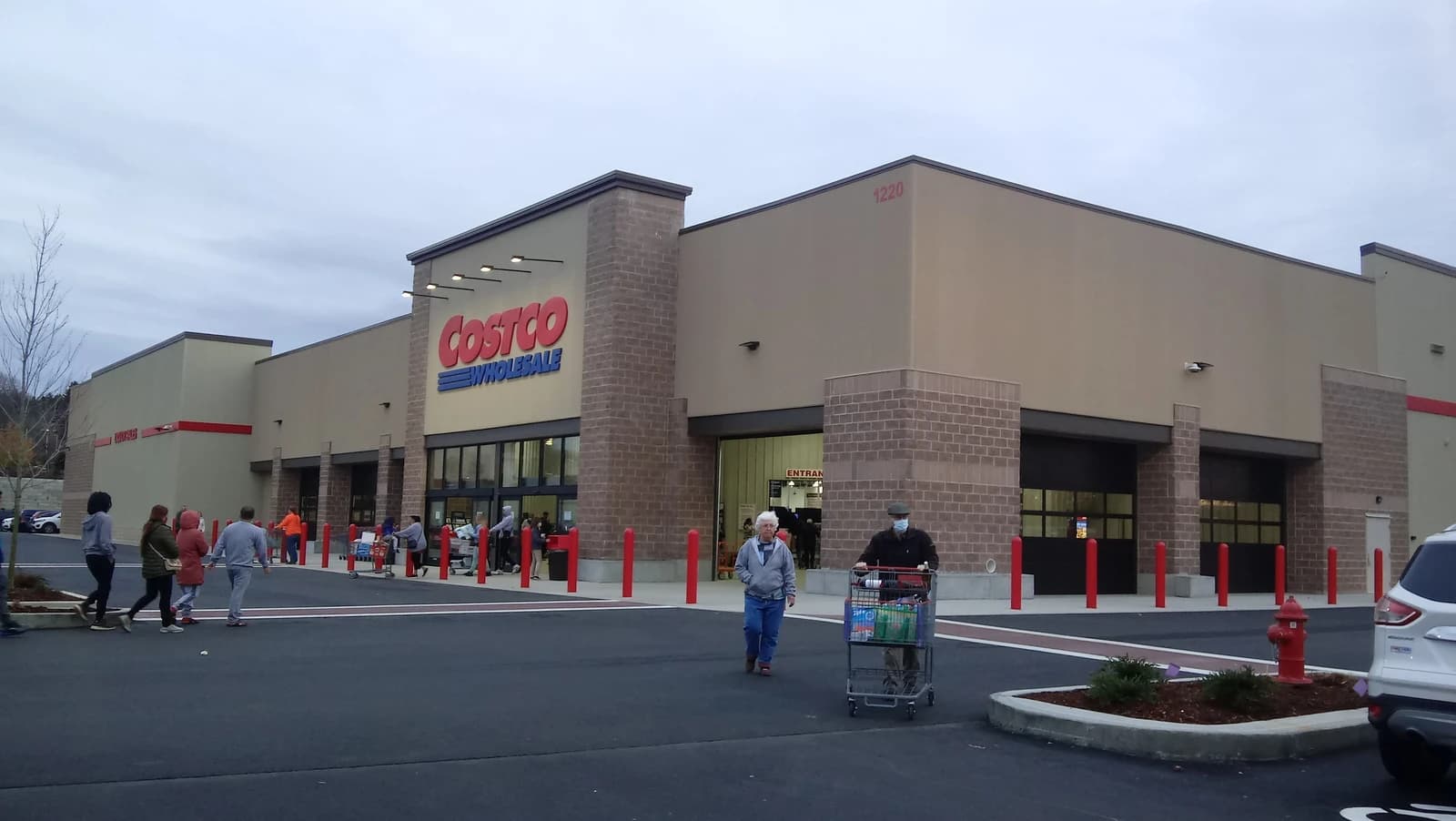
Providence Place Mall’s new owners are trying to land a Costco, a move that would give the downtown Providence property a powerful anchor tenant and test whether a once-struggling mall can be repositioned as a destination rather than a vacancy problem.
Providence Place owners seek Costco lease
Consumer Spending
The effort matters because a Costco lease would not just fill space; it could reset the economics of the center. Big-box anchors tend to drive sustained foot traffic, support adjacent leasing and improve lender and investor confidence in a property that only recently emerged from receivership. For Paolino Properties, Pyramid Management Group and DW Partners, the transaction is an early signal that the strategy is to rebuild value through tenant quality and experiential retail rather than rely on the old enclosed-mall model.
Sentiment Indicators
The ownership group said it will focus on attracting new tenants and experiences while reinvesting in the property and improving the experience for shoppers and the broader downtown community. It also pointed to upgrades in security, maintenance and infrastructure completed during receivership. That matters in a market where mall operators are being forced to spend more to retain tenants and keep traffic flowing, especially in urban centers where properties compete not only with other shopping destinations but with e-commerce, suburban power centers and changing downtown demand.
For Costco, a Providence Place location would fit a broader expansion pattern that depends on access to suitable real estate in dense, hard-to-replace locations. Costco has repeatedly said in filings that growth depends in part on acquiring property and building or leasing new warehouses, while local land-use restrictions can slow expansion. That makes a downtown mall site potentially valuable if it offers the right combination of scale, access and permitting. A store there would also add another layer to Costco’s ability to pull high-income, loyal shoppers into a central retail corridor.
The stock market is likely to read the story through two lenses. On the one hand, the development reinforces the appeal of warehouse clubs as resilient traffic drivers at a time when consumer spending sentiment remains strong but uneven. On the other, it highlights the scarcity premium in real estate that can support expansion without greenfield construction. Costco shares have been volatile in recent sessions but remain near record territory, reflecting investor confidence in the model’s pricing power and membership economics. Simon Property Group and Macerich, meanwhile, stand to benefit if the Providence deal becomes a template for using anchor tenants to stabilize challenged malls, though both also face the risk that such wins remain selective rather than broad-based.
The broader backdrop is that mall landlords are increasingly competing on execution, not just location. Simon has emphasized tenant attraction and re-tenanting in recent filings, while Macerich has been trying to lift occupancy and rent across its portfolio. A Costco at Providence Place would show that a mall can still matter if it is reimagined as a mixed-use traffic generator with a credible operator behind it. The harder question is whether one anchor can transform the economics of a property that has already required receivership and a change of control.
For investors, the key catalyst is whether talks turn into a signed lease and whether that lease is big enough to justify more capital spending and bring other tenants along. If Costco gets comfortable with the site, Providence Place could become a case study in urban mall salvage. If not, the property may remain a work-in-progress, dependent on a series of smaller leasing wins rather than a single transformative deal.
| Entity | Gains | Losses |
|---|---|---|
| Providence Place owners | ▲Higher traffic, stronger tenancy | ▼Execution risk, capital burden |
| Costco | ▲Prime urban expansion site | ▼Permitting and fit-out complexity |
| Mall tenants | ▲More foot traffic | ▼Competition for space/rent |
| Competing retailers | ▲Benchmark for urban anchors | ▼Loss of customer draw |