Punjab has raised dearness allowance to 60% for about 85,000 government employees, a move that puts fresh money in workers’ pockets and adds another bill to a state already navigating tight finances.
Punjab raises dearness allowance to 60% for workers
For employees, the increase from 42% is immediate relief against the backdrop of stubborn living costs. For the government, it is a political and fiscal balancing act: higher pay helps shore up morale and labor peace, but it also raises recurring spending at a time when state budgets remain under pressure.
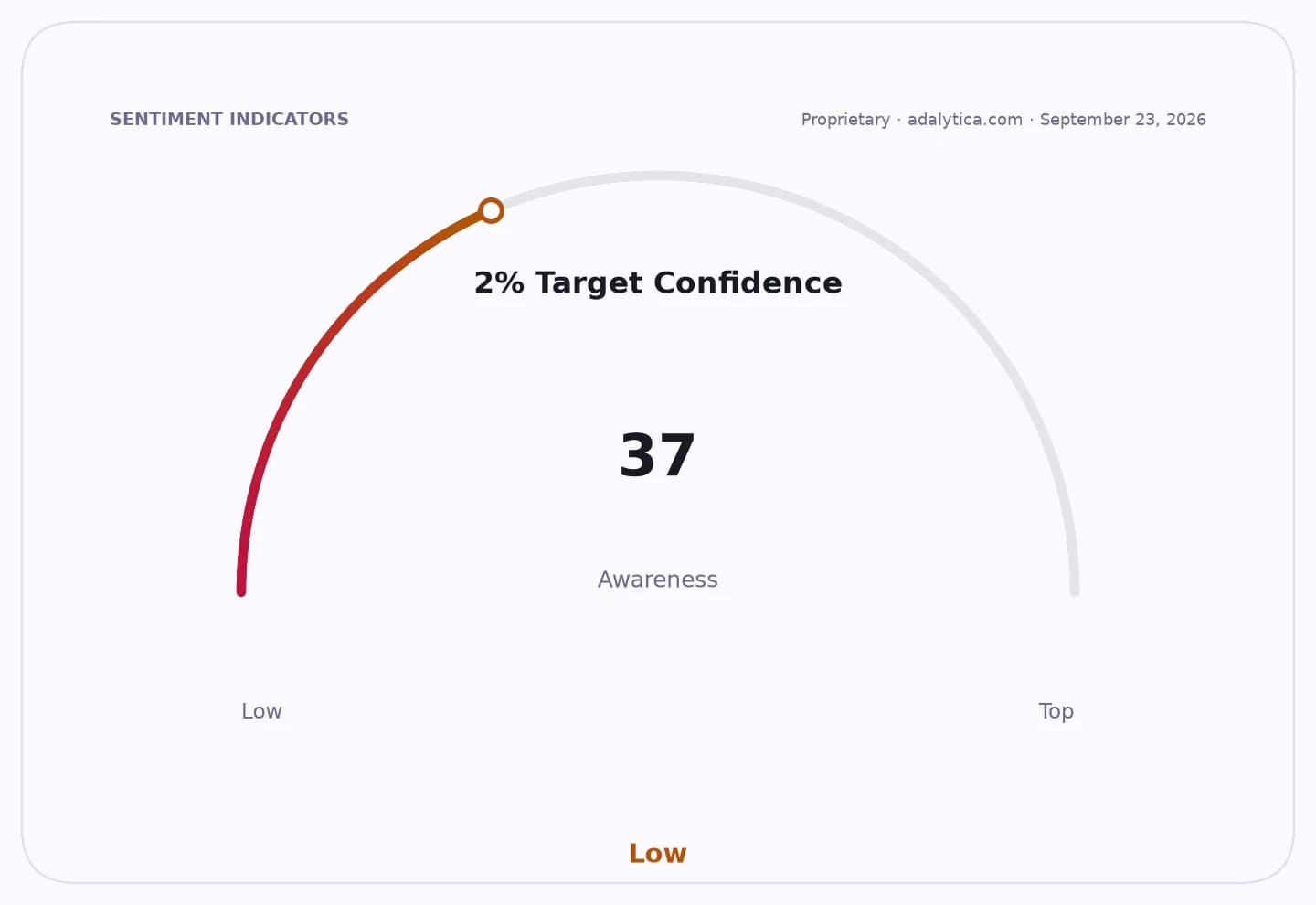
Sentiment IndicatorsⓘProprietary · adalytica.com · September 4, 2026
This is a snapshot — live sentiment, awareness and momentum for 130+ markets update continuously in the dashboard.Open AlphaPulse
The announcement matters because dearness allowance is not a one-off bonus. It is baked into salaries and compounds over time through pensions, arrears and future revisions. That makes it more expensive than a simple headline raise, especially if the state also chooses to align pay and benefits with central government standards, as finance minister Harpal Singh Cheema has indicated Punjab is prepared to do.
That longer-term fiscal burden is what investors, bondholders and policy watchers should focus on. Punjab is not a listed company, but its wage bill still has an economic footprint. More employee income can support local consumption, yet a larger revenue commitment can leave less room for capital spending, welfare programs and debt management. In a state economy, those trade-offs matter just as much as in corporate finance.
The timing also matters. The move comes as inflation pressures have eased only gradually, not disappeared, and as governments across India continue to face demands from public-sector workers for better compensation. If Punjab keeps moving toward parity with central government pay structures, other states may face similar pressure to follow, widening the fiscal debate beyond one announcement.
For long-term investors, the takeaway is straightforward: watch the quality of public finances, not just the size of the pay hike. Higher employee pay can support consumption in the near term, but if it is not matched by stronger revenues, it can squeeze the room for growth-oriented spending later. That makes Punjab’s next budget choices worth watching.
| Entity | Gains | Losses |
|---|---|---|
| Punjab government employees | ▲Higher take-home pay | ▼Less uncertainty over benefits |
| Punjab state finances | ▲Short-term labor stability | ▼Higher recurring wage costs |
| Local retailers and service providers | ▲More household spending | ▼— |
| Taxpayers and debt holders | ▲— | ▼Greater fiscal pressure |