Q8 Italia will cut the price of diesel and petrol for agricultural and fishing operators by 20% until 31 December 2026, a move that eases input costs in two sectors central to Italy’s food supply chain as energy prices remain volatile.
Q8 Italia Cuts Diesel and Petrol Prices for Farmers
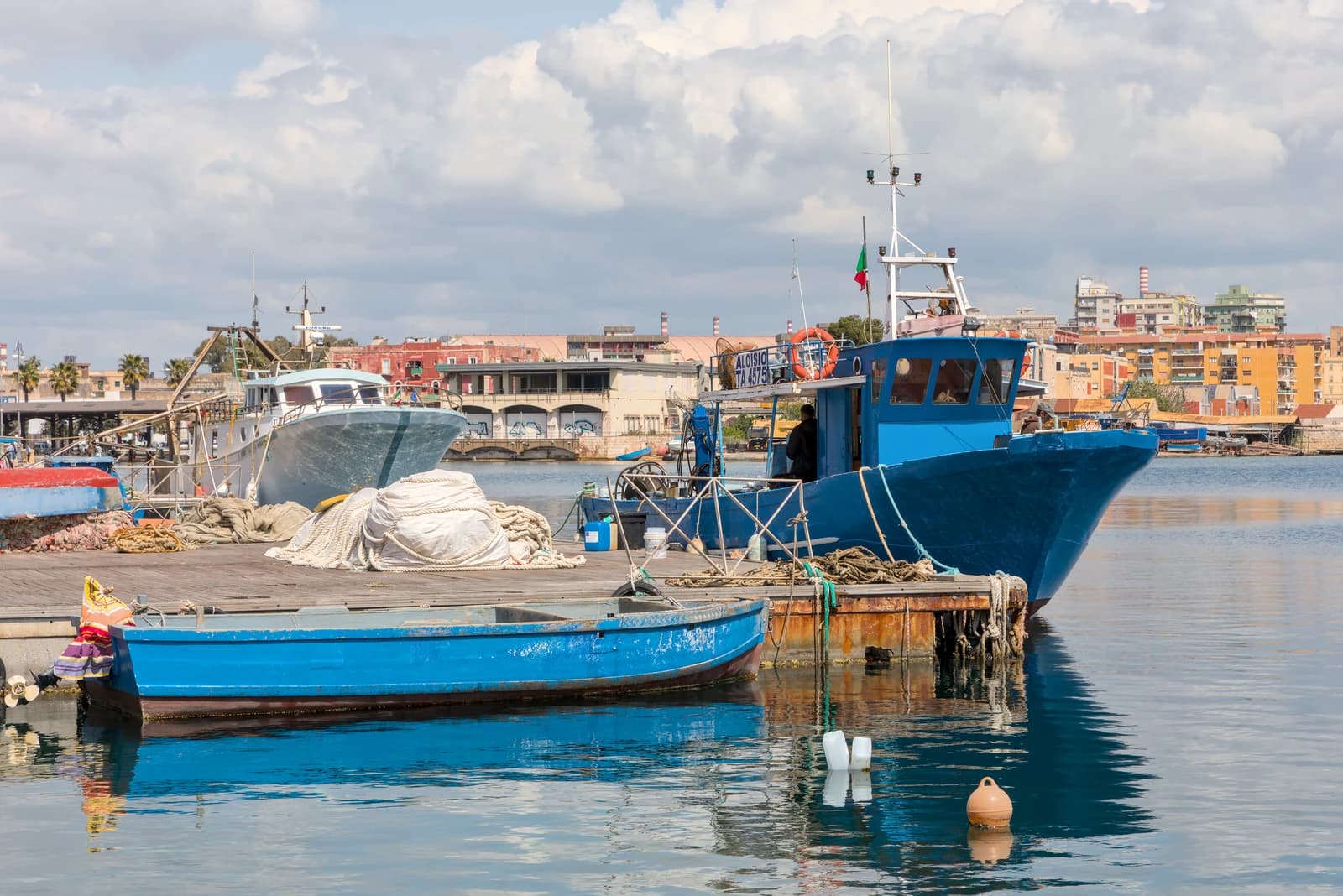
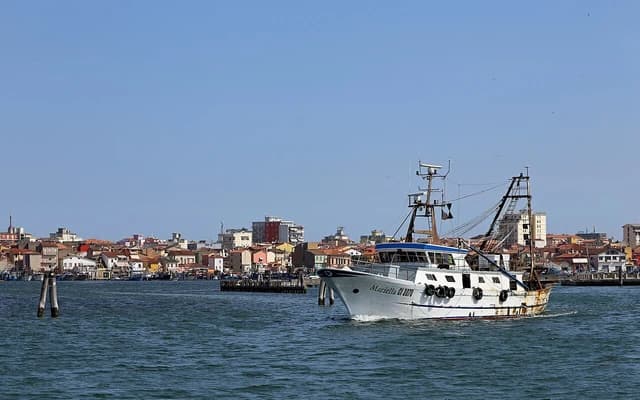
The decision matters because fuel is one of the most immediate and unavoidable costs for farms, fisheries and food logistics. By lowering the net price before VAT, Q8 is effectively compressing operating expenses for direct customers in sectors that have been squeezed by higher energy, transport and production costs. For agriculture and fishing businesses, where margins can be thin and cash flow seasonal, even a temporary fuel discount can make the difference between maintaining output and cutting activity.
Francesco Lollobrigida, Italy’s agriculture minister, welcomed the step as concrete support from a company answering a government appeal. Q8 said the measure was introduced in response to the “current national emergency” and the Italian government’s request. The company also said the reduction applies to direct clients and will be implemented according to market conditions and supply arrangements, leaving room for adjustment if fuel markets tighten further.
The move comes against a backdrop of persistent energy and inflation pressure. Brent and broader oil benchmarks have been volatile, while producer prices and consumer prices remain elevated by historical standards. That combination keeps pressure on industries that cannot quickly pass on higher costs to end users. The latest relief also complements Q8’s existing price cap on petrol and diesel for motorists, suggesting a broader effort to stabilize retail fuel pricing and reduce political friction around household and business energy bills.
For investors, the key question is whether this is an isolated commercial concession or a sign of more sustained margin pressure across fuel distributors operating in Italy. The bull case is that Q8 is protecting market share, maintaining customer relationships and reinforcing its role as a strategic supplier in a politically sensitive market. The bear case is that prolonged discounting could weigh on realized margins if crude prices rebound or if other distributors are forced to match the offer.
The immediate beneficiary is Italy’s farm and fishing sector, which gains lower fuel costs and better cost visibility into 2026. Q8 gives up some pricing power, while competitors in the fuel retail market may face pressure to respond. Consumers may also benefit indirectly if lower operating costs ease food supply-chain inflation, though the effect will depend on how much of the savings are passed through.
| Entity | Gains | Losses |
|---|---|---|
| Agriculture and fishing operators | ▲Lower fuel costs | ▼Less exposure to price spikes |
| Q8 Italia | ▲Market share and goodwill | ▼Short-term margin compression |
| Competing fuel distributors | ▲Pressure to match support | ▼Pricing flexibility |
| Italian consumers | ▲Potentially steadier food supply costs | ▼None immediate |