Italy’s inflation rate may be 5.4%, but consumers say prices feel more than twice as high, a mismatch that could weigh on household spending, keep wage demands elevated and complicate the government’s response to a worsening cost-of-living squeeze.
Italy inflation perception gap weighs on spending
Wages
That divergence between measured inflation and perceived inflation is economically important because expectations drive behavior. If Italians believe prices are rising at 13.3% rather than 5.4%, they are more likely to postpone discretionary purchases, bargain harder for pay increases and remain suspicious of official reassurances that price pressures are easing. The result is a weaker consumer backdrop for an economy that already faces sluggish growth and pressure from higher energy costs.
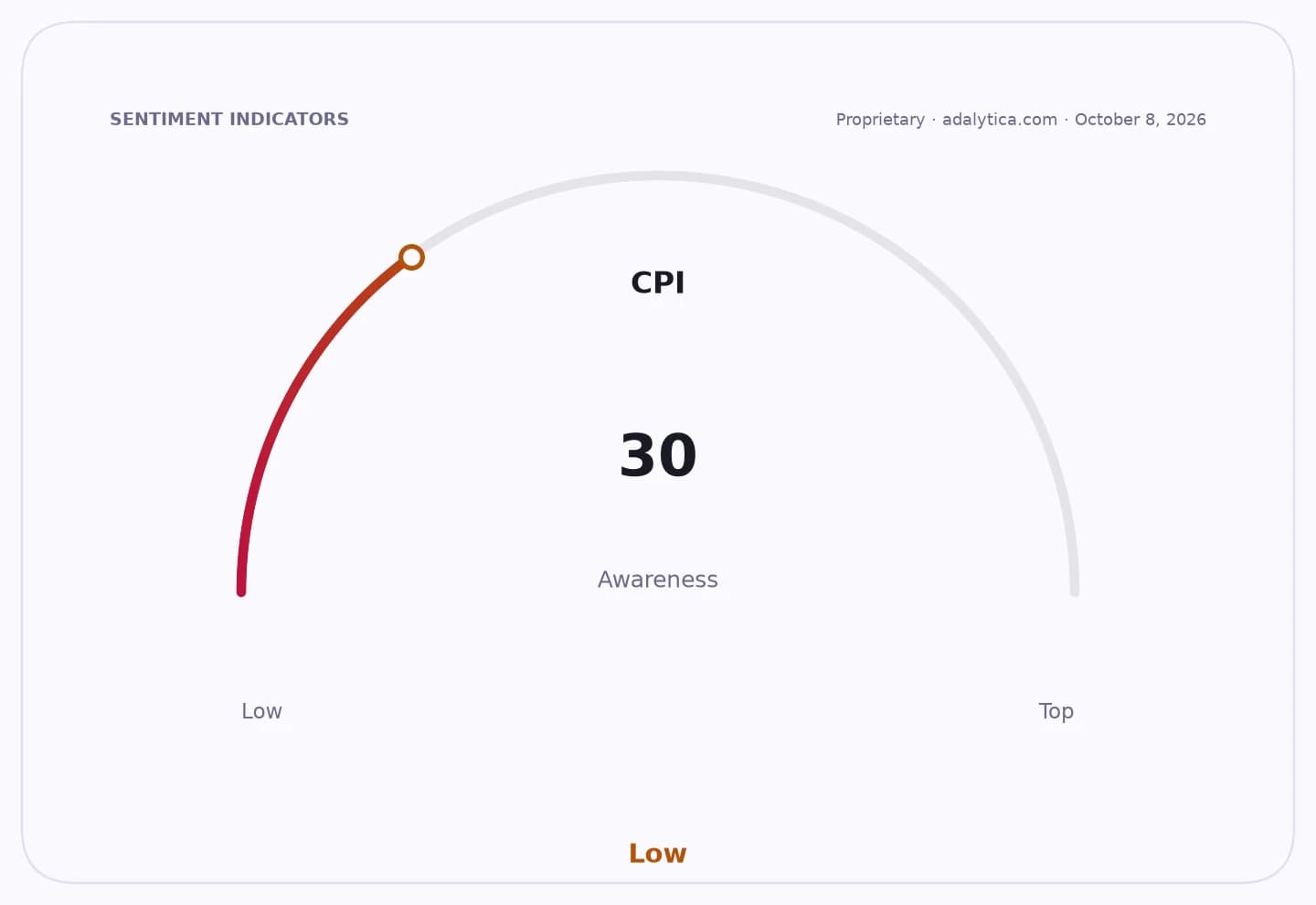
Sentiment Indicators
The strain is showing up most clearly in transport, where respondents cited a 19.3% rise, and in household essentials. Perceived increases are even steeper in food and drink, with wine seen up 35%, fish 26% and meat 20%. Those are not abstract numbers: they hit day-to-day budgets and influence sentiment more directly than headline indices that can be diluted by housing or other less visible categories.
More than 70% of respondents also expect new price increases ahead, suggesting inflation psychology is becoming entrenched. That matters for the European Central Bank and for Italian policymakers because persistent inflation expectations can keep underlying price pressures sticky even if the broader rate of inflation moderates. It also helps explain why public anger is spilling into politics, with protests and criticism of stagnant wages, public services and living standards reinforcing a narrative of erosion rather than recovery.
For investors, the gap between official inflation and lived experience matters for consumption, labor costs and Italian risk assets. Retailers and consumer-facing companies face a tougher demand environment if households keep cutting back, while employers may encounter stronger wage demands as workers try to make up for lost purchasing power. At the sovereign level, a prolonged squeeze can add to social and fiscal pressures on Rome just as Europe’s growth outlook remains fragile.
The key question now is whether easing energy costs and slower headline inflation can eventually close the perception gap. If they do not, Italy risks a prolonged period in which consumers behave as though inflation is still in double digits, even after the data says otherwise.
| Entity | Gains | Losses |
|---|---|---|
| Italian households | ▲Some relief if prices cool | ▼Purchasing power erosion |
| Consumer staples sellers | ▲Pricing power in essentials | ▼Demand destruction |
| Italian government | ▲Chance to ease inflation narrative | ▼Political pressure over living costs |
| ECB | ▲Room if expectations stabilize | ▼Credibility risk if perceptions stay high |