OUSM, the Invesco Russell 2000 Quality ETF, is trading near its highest levels in months as investors rotate into small-cap stocks with stronger balance sheets and earnings quality while the broader market remains under pressure.
Quality Small-Cap ETF Shows Relative Strength
That matters because the latest move is not just about price. It points to a market preferring fundamentals over speculation in the small-cap space, a shift that can support more durable returns if economic growth stays uneven and financing conditions remain tight.
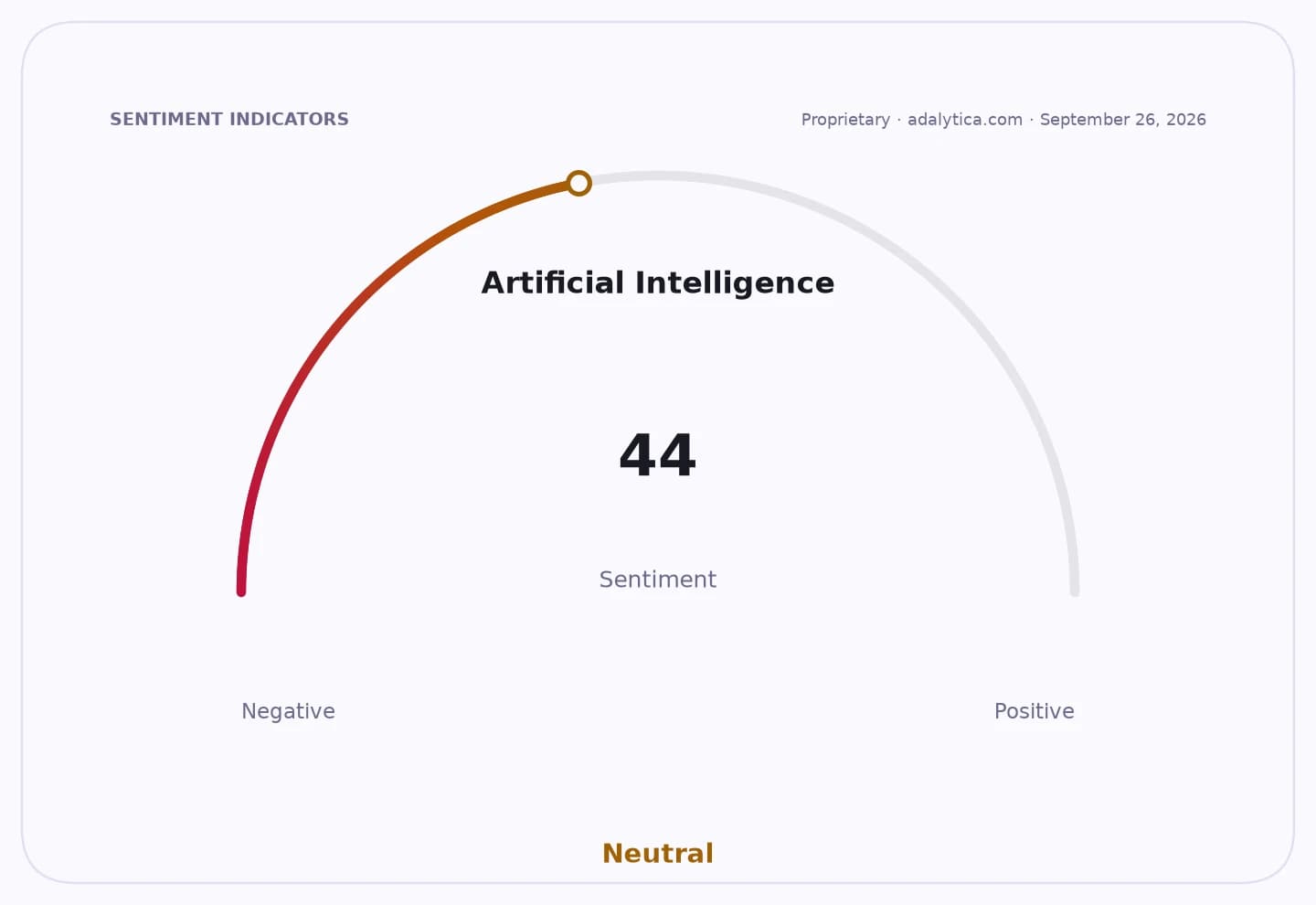
Sentiment IndicatorsⓘProprietary · adalytica.com · July 27, 2026
This is a snapshot — live sentiment, awareness and momentum for 130+ markets update continuously in the dashboard.Open AlphaPulse
OUSM closed at $48.23 on Friday, up from $42.29 in mid-October, while trading volume on the latest session was 51,300 shares. The ETF is now above both its 50-day moving average at $46.89 and its 200-day moving average at $45.05, a technical setup that suggests momentum remains constructive.
The quality tilt is especially relevant after a rough stretch for risk assets. The S&P 500 is flashing “Extreme Fear” in Adalytica.com’s trade-signal snapshot, even as small-cap quality funds have held up better than the market at large. That split suggests investors are still willing to buy equities, but only where profitability, balance sheet strength and earnings visibility reduce downside risk.
The broader small-cap complex has also shown signs of stabilization. The iShares Russell 2000 ETF, IWM, ended at $291.17, while the iShares Core S&P Small-Cap ETF, IJR, finished at $144.86. Both sit above their long-term averages, but OUSM’s recent strength stands out against a still-choppy backdrop for the asset class.
That divergence matters for portfolios. Small caps are typically more sensitive to borrowing costs and the economic cycle, so a quality screen can help investors avoid companies most exposed to refinancing risk, margin pressure and earnings misses. If rate expectations remain volatile, the case for quality-focused small-cap exposure strengthens further.
The latest technical readings also look supportive. OUSM’s RSI at 56.4 is neutral to positive, and its MACD remains above the signal line, indicating the recent advance has not yet run into obvious momentum exhaustion.
For investors, the key question is whether the current bid in small-cap quality can broaden out beyond a handful of defensive names and sustain itself through the next earnings season. A confirmation from company results and any shift in Fed expectations would likely determine whether OUSM’s outperformance is a short-lived trade or the start of a more durable small-cap leadership phase.
| Entity | Gains | Losses |
|---|---|---|
| OUSM / quality small-cap investors | ▲Relative outperformance | ▼Broader small-cap laggards |
| Profitable small-cap companies | ▲Higher demand for shares | ▼Weak-balance-sheet borrowers |
| IWM / IJR holders | ▲Sector rebound exposure | ▼Less quality-screen protection |
| Short-duration, rate-sensitive stocks | ▲If rates ease | ▼If financing stays tight |