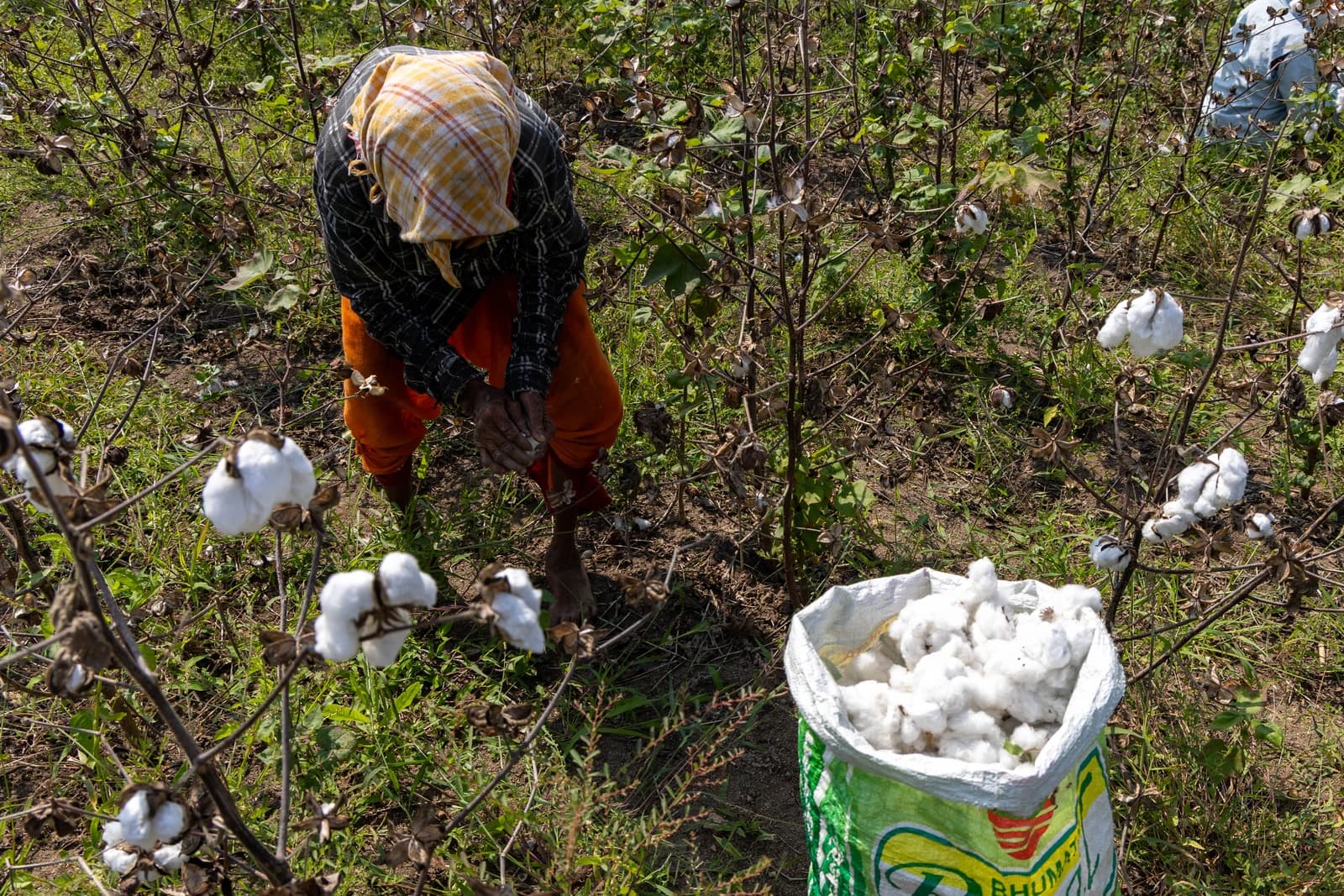
A massive fire tore through a cotton factory in Rajasthan’s Phalodi district early Sunday, destroying the entire stock and again exposing the lack of fire-fighting infrastructure in the Dechu area.
Rajasthan cotton factory fire destroys stock
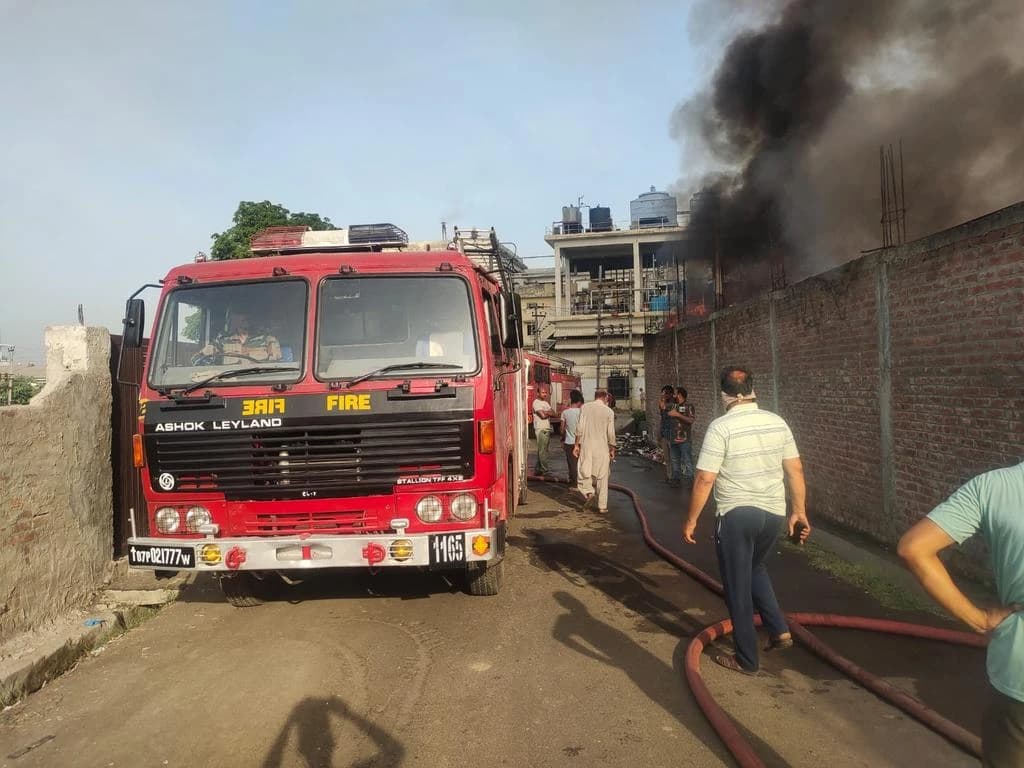
The blaze broke out around 4 a.m. at a cotton unit near Asarlai Road in Lal Singh Nagar panchayat area, where the factory was holding a large volume of cotton after a bumper local harvest. Fire engines from Phalodi and Pokhran reached the site only after about 90 minutes, by which time the stock had already been reduced to ashes.
The incident matters economically because cotton is a high-value, fast-moving agricultural commodity, and the fire likely wiped out merchandise worth lakhs of rupees at a time when local producers and traders are moving heavy volumes through private ginning and storage units. In a district where agriculture feeds the local cash economy, a single blaze can erase weeks of trade, disrupt supply chains and leave small operators facing uninsured losses.
Officials said the fire may have started due to a short circuit. Police and a patwari arrived at the scene and power supply was cut before firefighters, aided by villagers and their water tankers, spent about an hour bringing the flames under control.
The bigger issue for investors and businesses is not just the loss at one factory but the recurring operational risk in a rural industrial belt handling agricultural stock. Local residents said this was the third fire at the same facility in a year, while no dedicated fire service has yet been set up in Dechu despite repeated incidents at cotton factories, shops and transport units.
That raises questions over the viability of storage-heavy agro-processing businesses in the area, particularly during peak cotton season when inventories are large and exposure to fire is highest. For factory owners, the lack of water supply, extinguishers and rapid-response crews turns a manageable accident into a full inventory loss.
The incident also carries a policy angle for local authorities and lenders financing such units: without basic safety compliance, repeated fires could mean higher insurance costs, tighter credit conditions and more pressure on district officials to act. The next catalyst is whether the administration finally sets up a permanent fire station in Dechu or whether another blaze forces the issue again.
| Entity | Gains | Losses |
|---|---|---|
| Rural cotton traders | ▲None | ▼Inventory and cash flow |
| Factory owner | ▲None | ▼Stock, revenue, equipment |
| Local fire services | ▲More urgency for funding | ▼Credibility over response time |
| District administration | ▲Pressure to act | ▼Public confidence |