Egypt’s parliament has moved to force the petroleum ministry and gas distributors to commit to fixed schedules for domestic gas hookups, a sign the country’s push to widen access is running into cost and engineering bottlenecks that are now becoming politically harder to ignore.
Egypt parliament presses gas hookup deadlines
The Energy and Environment Committee said it rejects open-ended timelines and “theoretical” answers from the ministry, after receiving complaints about delays in bringing natural gas to villages in Beheira and Menoufia. Lawmakers want written responses and defined deadlines, underscoring the pressure on the government to turn a broad social program into a measurable delivery plan.
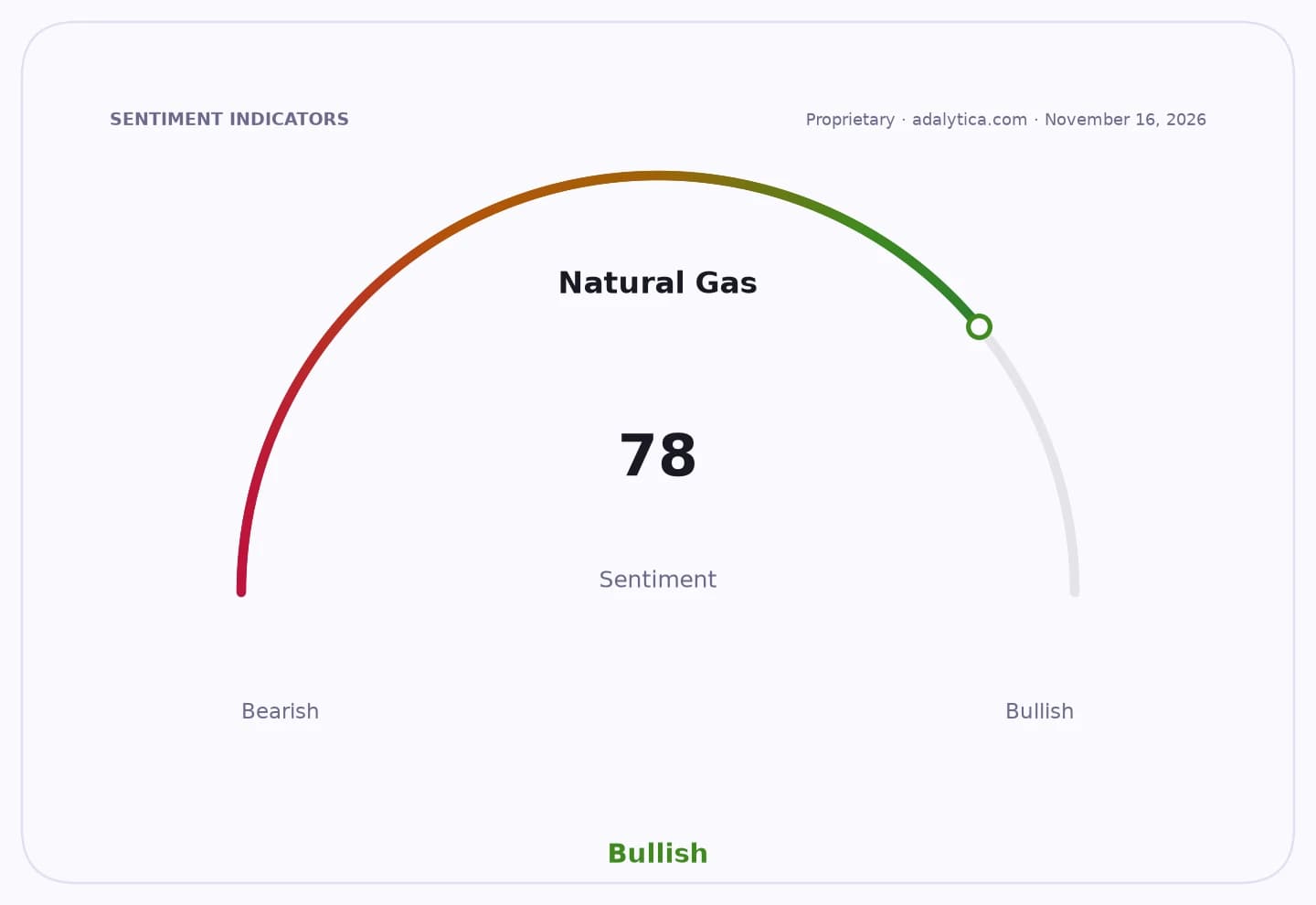
Sentiment Indicators
The issue matters economically because household gas rollout is not just a utility project; it is tied to living costs, public spending and rural development. In areas covered by the state’s “Hayat Karima” program, delays are increasingly being framed as a financing problem rather than a failure by contractors, which suggests the real constraint is capital allocation. That is significant in a period when governments across emerging markets are trying to expand energy access without widening fiscal strain.
Committee head Tarek El-Molla, a former petroleum minister, said the committee rejects using a customer-service model for village connections because the price gap would burden residents. That is a clear sign policymakers are wary of shifting more upfront costs to households, especially in lower-density areas where the economics of pipeline expansion are weaker.
Distributors told lawmakers the delays stem from technical hurdles, including laying long stretches of pipeline, crossing railways and canals with directional drilling, and the higher cost of serving sparsely populated communities. They said Beheira alone has 650,000 customers served through 6,000 kilometers of network, illustrating both the scale of the existing system and the expense of extending it further.
For investors, the message is mixed. On one hand, more households connected to gas supports long-term demand for distribution networks, equipment and services. On the other, parliamentary scrutiny raises the odds of tighter deadlines, more state involvement and potentially lower flexibility on pricing and cost recovery. That can compress margins for gas distributors and increase execution risk for contractors if the government insists on faster rollout without matching funding.
The committee’s recommendation to form joint coordination teams with companies, local authorities and lawmakers points to a more hands-on supervisory model. It also suggests the government is trying to de-risk delivery by pushing responsibility down to local implementation rather than relying on ministry assurances alone.
The near-term test will be whether the new coordination mechanism produces firm timetables for the villages still waiting, and whether funding for the remaining works is secured. If not, the gas rollout could become another example of a welfare-linked infrastructure drive colliding with budget reality.
| Entity | Gains | Losses |
|---|---|---|
| Households in villages | ▲Lower fuel costs | ▼Continued hookup delays |
| Egyptian state | ▲Political control | ▼Fiscal flexibility |
| Gas distributors | ▲Future customer base | ▼Margin pressure |
| Local contractors | ▲New project flow | ▼Execution risk |