A sellout at the Ravennaschlucht Christmas market in Germany’s Black Forest is now feeding a secondary market where tickets are being listed for as much as four times their face value, underscoring how scarcity can quickly turn a festive event into an investable-feeling commodity — and a consumer-protection headache.
Ravennaschlucht Christmas Market Tickets Resell at Premium
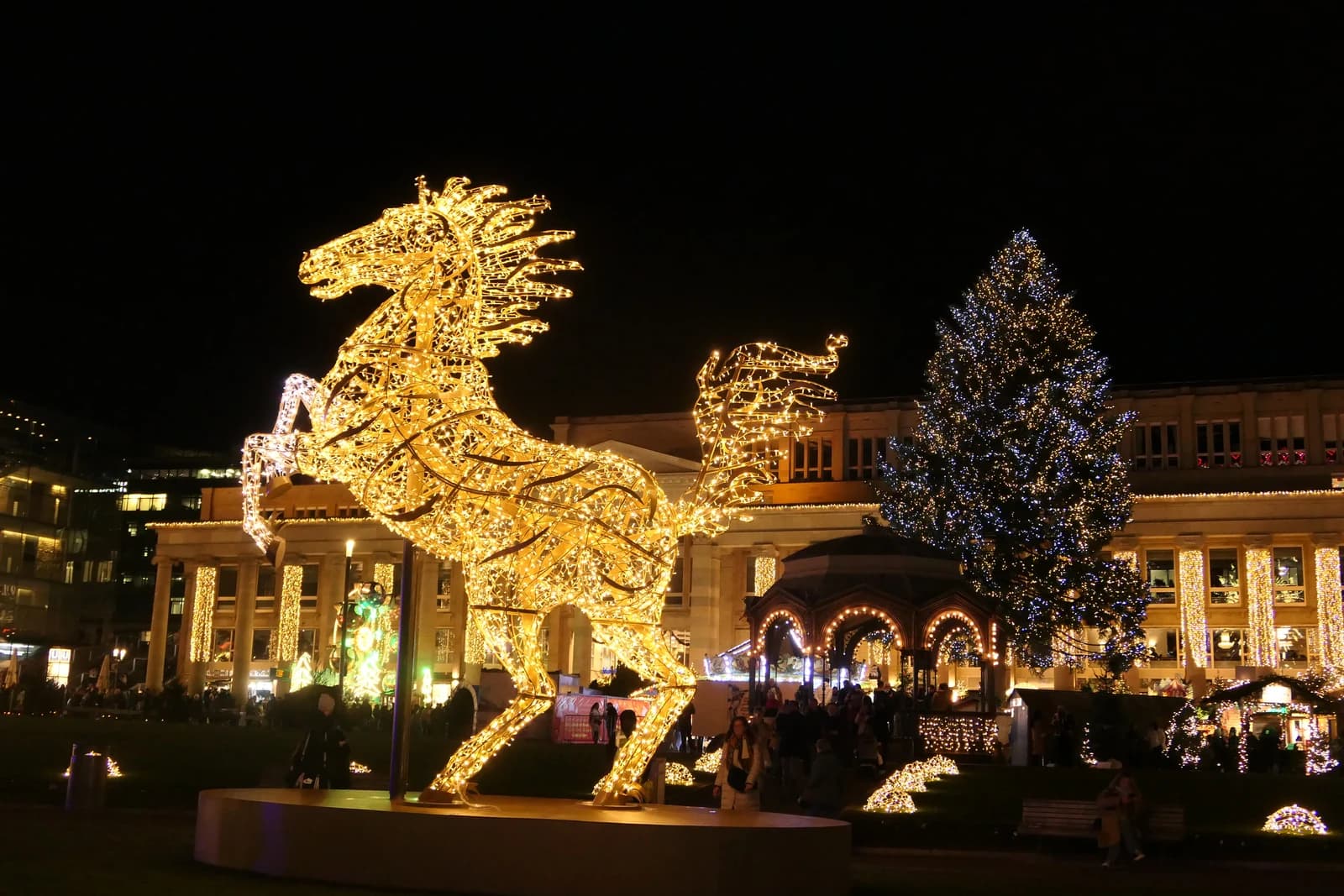
That matters economically because the market has become a case study in what happens when demand overwhelms supply. All 100,000 tickets sold out within six hours after sales opened on Oct. 14, even after organizers raised capacity from 75,000 the year before. Standard adult tickets, including shuttle service, cost just 7.50 euros to 9.50 euros, yet listings on Ebay Kleinanzeigen showed two tickets offered for 80 euros and four for 160 euros. In other words, buyers are paying a steep premium not for a better product, but simply for access.
For investors, the story is a reminder that tightly rationed inventory can create windfall pricing power in the gray market, but it can also damage trust in the official marketplace. Reservix, the ticketing platform, said it will identify black-market tickets, block entry for resold passes and pursue claims and possible criminal complaints against sellers. That is exactly the kind of enforcement risk that matters to digital ticketing operators, resale platforms and event organizers alike: when demand is intense enough, fraud prevention becomes part of the business model.
The episode also shows how quickly hype can distort behavior. The Ravennaschlucht market’s dramatic setting has made it a destination event, and the scramble for tickets has already repeated last year’s pattern, when the sale sold out on day one. This year’s outsourced ticketing system was supposed to handle the crush more efficiently, but it also illustrates the limits of scaling supply when the event itself is fixed in place and capacity remains finite.
For long-term investors, the useful takeaway is broader than one Christmas market: scarcity creates pricing power, but only if the seller can control distribution. If organizers and ticketing platforms can tighten verification, they protect both reputation and future demand. If not, the secondary market captures the value while the primary seller absorbs the backlash. It is a small story, but one that neatly captures why trusted digital marketplaces matter. Worth watching.
| Entity | Gains | Losses |
|---|---|---|
| Black market sellers | ▲Higher resale margins | ▼Risk of blocked tickets |
| Legitimate buyers | ▲None | ▼Pay inflated prices |
| Reservix / organizers | ▲Stronger controls if enforcement works | ▼Reputational pressure |
| Official ticket holders | ▲Access at face value | ▼Little immediate benefit |