USDT’s role as a dollar-transfer rail is giving Remittix a clearer commercial test case: whether stablecoin holders actually want an app that can turn crypto balances into spendable bank deposits.
Remittix tests USDT-to-bank payouts in EUR and USD
That matters because the real bottleneck in many crypto payments is not moving value on-chain, but getting it back into the banking system fast enough to cover rent, payroll or supplier bills. Remittix is trying to sit on that seam. The company says it has invited 1,000 existing holders to test initial EUR and USD PayFi options ahead of a planned RTX debut, with USDT among the supported assets in its crypto-to-fiat flow.
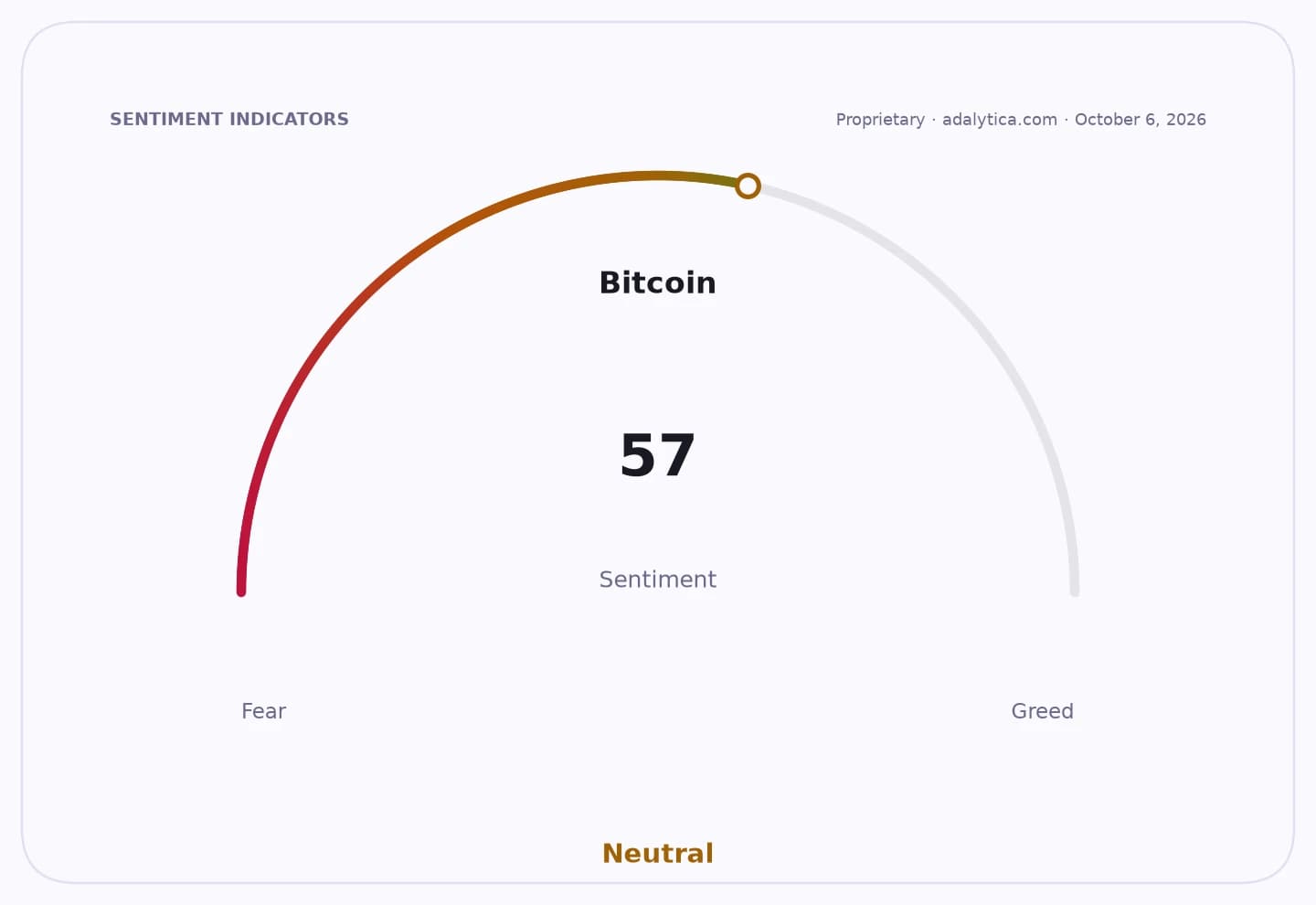
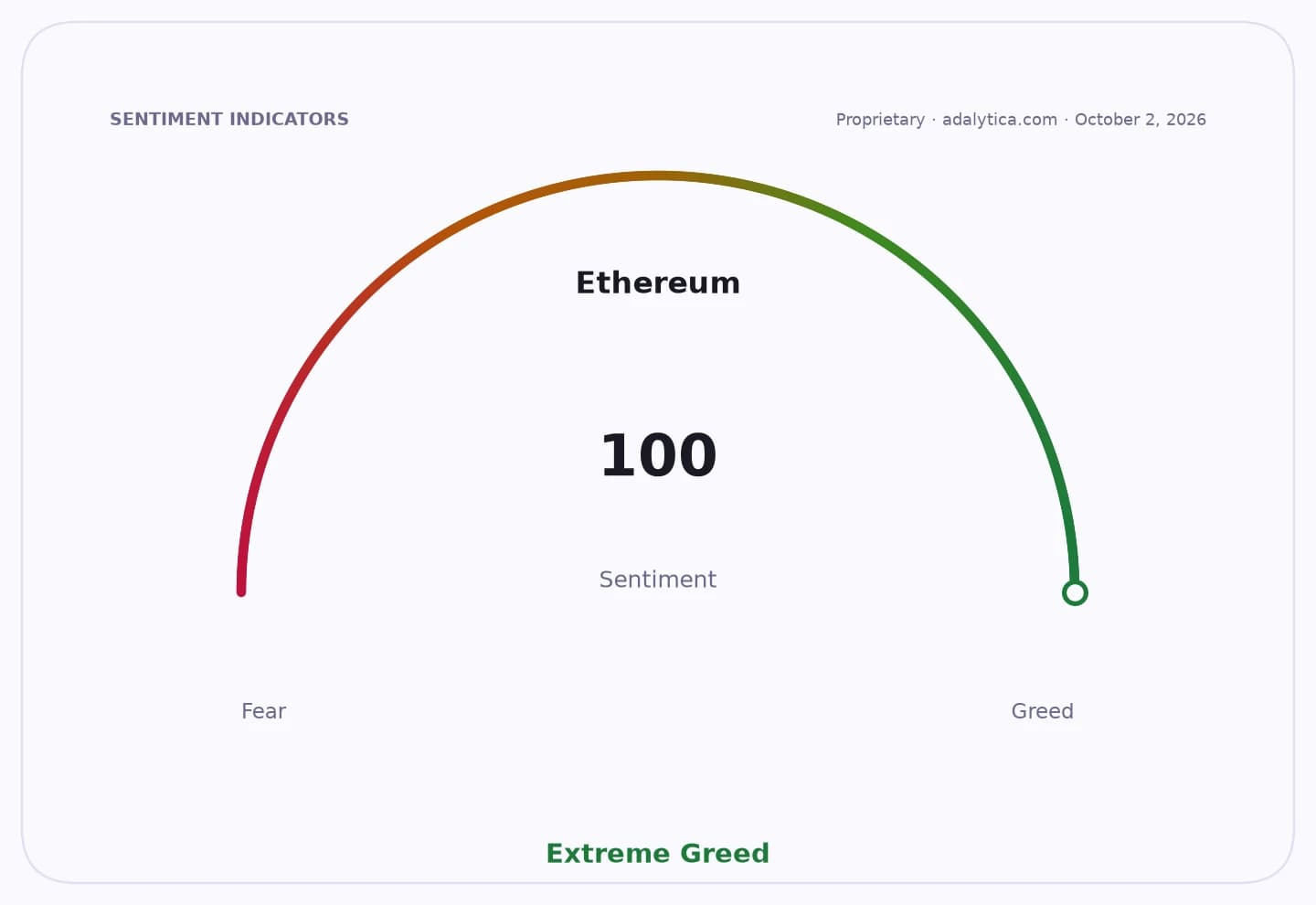
Sentiment IndicatorsⓘProprietary · adalytica.com · October 6, 2026
This is a snapshot — live sentiment, awareness and momentum for 130+ markets update continuously in the dashboard.Open AlphaPulse
The premise is straightforward. Stablecoins are already widely used as dollar-denominated transfer instruments, especially across borders. But the use case becomes economically meaningful only when the recipient can cash out into local money without friction. That is the opportunity Remittix is targeting with a wallet, live markets platform and payout function combined in one app.
For investors, the significance is less about the token itself than about whether Remittix can prove repeat usage. If users can receive USDT, convert part of it, move the proceeds into a bank account and keep trading or staking inside the same ecosystem, the company could expand from a presale narrative into a payments platform with recurring activity. That would give RTX a more durable revenue story than a typical launch-token model.
The addressable market is not trivial. Remittix points to the World Bank’s estimate that global remittances reached $856 billion in 2024, a reminder that cross-border wage payments, freelancer invoices and small-business transfers remain expensive and fragmented. Even a narrow slice of that flow could matter if a crypto-to-fiat product lowers the conversion and payout friction enough to win repeat customers.
The early usage metrics are still small relative to that market, but they suggest some distribution already exists. Remittix says it has more than 10,000 iOS wallet downloads and over $50 million in cumulative Markets trading volume, alongside more than $32 million raised toward a $36 million cap. Those figures give the company a base from which to convert presale interest into product usage, though they do not yet prove payment demand.
The investment debate is therefore two-sided. Bulls will argue that USDT’s already-established role in moving dollar value across borders creates a ready-made customer problem, and that PayFi testing in EUR and USD can validate demand before RTX’s planned debut on Nov. 24. Bears will note that many crypto payment projects struggle to convert stated utility into sticky volume, especially once users encounter bank-rail compliance, settlement delays or limited geographic coverage.
For now, USDT itself remains stable around $1, while broader crypto sentiment is mixed. Bitcoin is trading near $86,076 and COIN, which is more exposed to digital-asset activity and trading volumes, has retreated sharply from its earlier levels this year even after recovering from spring lows. That backdrop suggests investors are still rewarding proof of utility over promotion.
If Remittix can show that invited users keep returning for EUR and USD payouts, the project would have a better argument that stablecoins are not just trading collateral but the front end of a payment system. If the testing fails to create repeat flow, USDT’s payment demand will remain the larger story and Remittix will look like one more presale trying to borrow credibility from it.
| Entity | Gains | Losses |
|---|---|---|
| Remittix | ▲Product validation | ▼Hype-only launches |
| USDT users | ▲Faster fiat access | ▼Conversion friction |
| Banks/payment rails | ▲New flow volume | ▼Lost cross-border fees |
| Competing presales | ▲Bigger narrative | ▼Attention and capital |