Solana would need to more than double from about $121 to reach the $250 level, but the bigger market question is whether fresh crypto launches like Remittix can keep drawing capital into payments-linked tokens while SOL tries to regain momentum.
Solana and Remittix Face Crypto Payments Competition

The $250 target implies roughly 107% upside from Solana’s latest close near $120.52, a move that would require a sharp improvement in trading demand, liquidity and application activity at a time when the token is trading below both the broad upside target and its recent breakout levels.
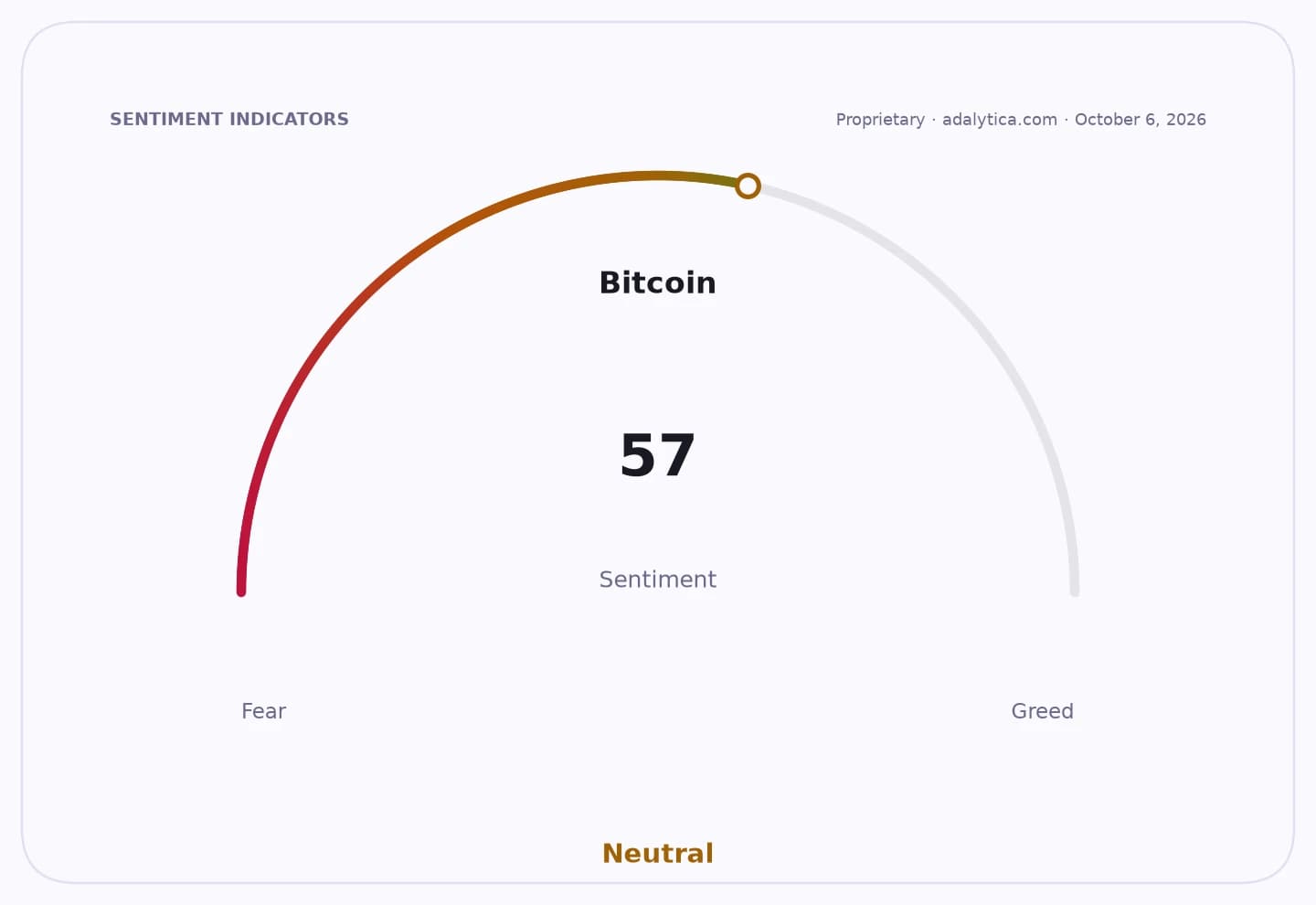
Sentiment IndicatorsⓘProprietary · adalytica.com · October 6, 2026
This is a snapshot — live sentiment, awareness and momentum for 130+ markets update continuously in the dashboard.Open AlphaPulse
Technically, SOL is no longer in the deep oversold conditions seen earlier in the year, but the tape still looks mixed. Its relative strength index was 54.8 on Oct. 6, the 50-day moving average sat at 106.51 and the 200-day moving average at 86.26, while the MACD remained positive but narrowed, suggesting the market has room to run but needs stronger follow-through to push decisively toward $250.
Remittix is trying to capture a different slice of the crypto market by pairing a $0.46 final presale tier with a planned Nov. 24 debut and a payments pitch aimed at moving money into bank accounts. The project says it has raised more than $32 million from over 40,000 participants toward a $36 million hard cap, and it has already invited 1,000 existing holders to test EUR and USD PayFi options before launch.
That matters because investors are increasingly rewarding crypto projects that show evidence of usage, not just token sales. Remittix says its wallet has topped 10,000 downloads and its Markets venue has surpassed $50 million in cumulative trading volume, giving the project a base of users that could, in theory, convert into repeat payment and trading activity if the product works as advertised.
The broader backdrop also helps explain the appeal. The World Bank estimated global remittances at $856 billion in 2024, a flow large enough to support recurring fees if a platform can capture even a small share. Remittix is pitching settlement, staking and PayFi inside one ecosystem, while its “Earn” feature advertises up to 22% APY on eligible assets, a structure designed to keep users inside the platform between transfers.
For Solana, that backdrop cuts both ways. A stronger payments narrative across crypto can lift sector risk appetite, but it can also pull attention toward newer tokens with clearer storylines and earlier-stage upside. SOL remains a much larger, more established network, which means any move to $250 would likely need not just sector enthusiasm, but sustained buying from developers, traders and institutional holders.
For investors, the key near-term catalyst is not just whether SOL can hold recent gains, but whether Remittix can turn its presale audience into actual users after Nov. 24. If the launch produces real payment volume, it could validate the thesis that utility, not just speculation, is driving the next leg of crypto demand.
| Entity | Gains | Losses |
|---|---|---|
| Solana (SOL) bulls | ▲Higher risk appetite | ▼A 107% rally hurdle |
| Remittix (RTX) early buyers | ▲Earlier-stage upside | ▼Launch execution risk |
| Crypto payments platforms | ▲User adoption narrative | ▼Purely speculative tokens |
| SOL short sellers | ▲Near-term resistance | ▼Breakout above $121-$130 |