Working from abroad may look harmless, but for freelancers and solo self-employed workers it can quickly turn into a tax, insurance and compliance problem that is expensive to fix. The appeal of a “workation” is pushing more mobile workers into legal gray zones just as travel demand remains strong, and that creates risk not only for individuals but also for platforms that depend on cross-border stays and flexible booking patterns.
Remote Work Abroad Raises Tax and Compliance Risks

The biggest issue is that the laptop does not travel alone: tax residency, social security, healthcare coverage, work permits and data protection rules all move with the worker. The familiar 183-day rule is not a blanket shield, and a longer or repeated stay abroad can create a tax presence in the host country, trigger registration duties or even be treated as a taxable permanent establishment.
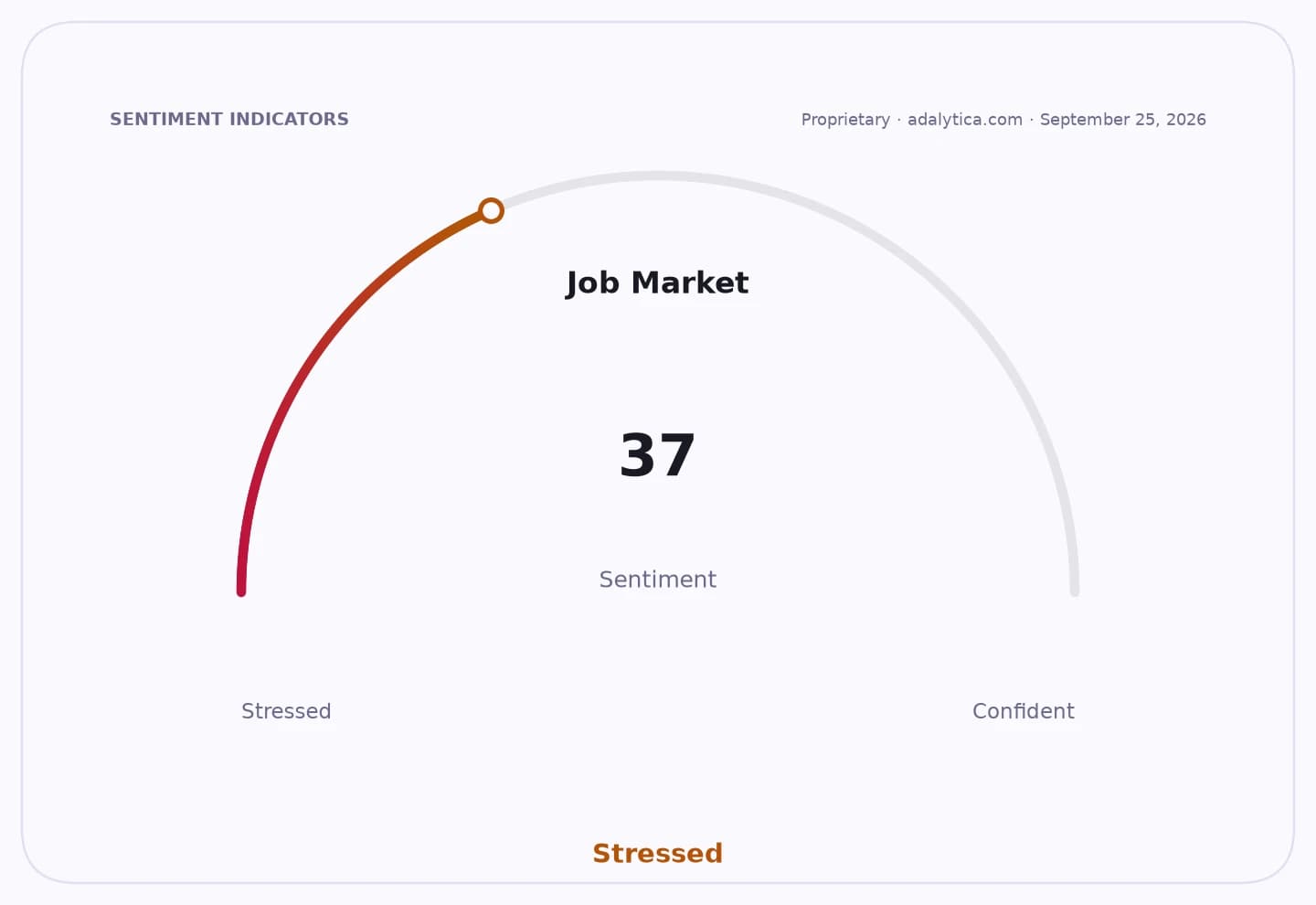
Sentiment IndicatorsⓘProprietary · adalytica.com · September 7, 2026
This is a snapshot — live sentiment, awareness and momentum for 130+ markets update continuously in the dashboard.Open AlphaPulse

That matters economically because the rise of location-independent work is encouraging more short-term cross-border travel, especially in Europe, where workers often assume rules are harmonized when they are not. A freelancer who books a few weeks in Spain, Portugal or Italy may still need an A1 certificate inside the EU or EEA, while travel outside the bloc can require visa checks, separate health insurance and proof that work is allowed at all.
For investors, the story cuts both ways. Airbnb, Expedia and Booking Holdings benefit when travelers extend leisure trips into longer stays or book more flexible accommodation, but those bookings can come with more friction if tax and labor rules tighten or if workers become more cautious about compliance. Airbnb’s shares have been volatile and remain well above their 50-day and 200-day moving averages, while Expedia and Booking are also trading with elevated technical swings, reflecting a travel market that is still sensitive to regulation, demand shifts and margin pressure.
The macro backdrop adds another layer. U.S. inflation remains high by historical standards and the 10-year Treasury yield is around 4.8%, keeping financing costs and travel budgets under pressure even as the dollar trades with strong sentiment in Adalytica’s gauge. That can make remote workers more price-sensitive, while also increasing the cost of mistakes when a workation becomes a tax audit or insurance claim.
For self-employed workers, the message is simple: check the visa, the A1 certificate, tax exposure, insurance cover and cybersecurity before leaving home. For travel platforms, the trend is still supportive, but any broadening of compliance checks across Europe and beyond could reshape demand toward shorter, better-documented stays rather than carefree borderless work trips.
| Entity | Gains | Losses |
|---|---|---|
| Self-employed workers | ▲Location flexibility | ▼Tax and compliance risk |
| Airbnb, Expedia, Booking | ▲Longer stays, flexible demand | ▼Regulatory friction |
| Host countries | ▲Potential tax revenue | ▼Enforcement burden |
| Remote workers abroad | ▲New travel options | ▼Insurance and data exposure |