Ripple’s partnership with Stripe-owned Privy is aimed at making the XRP Ledger easier to use in real-world payments, a step that could broaden adoption of XRP, Ripple’s RLUSD stablecoin and future AI-driven commerce apps even as the token remains under heavy price pressure.
Ripple Privy deal expands XRPL embedded wallets
The deal gives developers access to embedded wallets on XRPL, allowing apps to create and manage wallets, sign transactions and support XRP and RLUSD without building their own wallet stack. That matters because wallet infrastructure is often the biggest friction point in getting blockchain payments into consumer and fintech products.
Privy’s embedded wallets let users interact with crypto inside an app instead of connecting an external wallet, a format increasingly favored by payment providers that want a smoother checkout experience. Privy CEO Henri Stern said the company wants to make wallets available to developers building on XRPL “from global payments to agentic commerce,” underscoring Ripple’s push to position the network for both stablecoin transfers and software-driven payments.
The planned feature set points to how Ripple wants XRPL to compete in the next phase of digital payments. Privy said the integration could add transaction policy controls and gas sponsorship, while Ripple’s Markus Infanger said the infrastructure is intended to help fintechs and developers bring XRPL into “real products.”
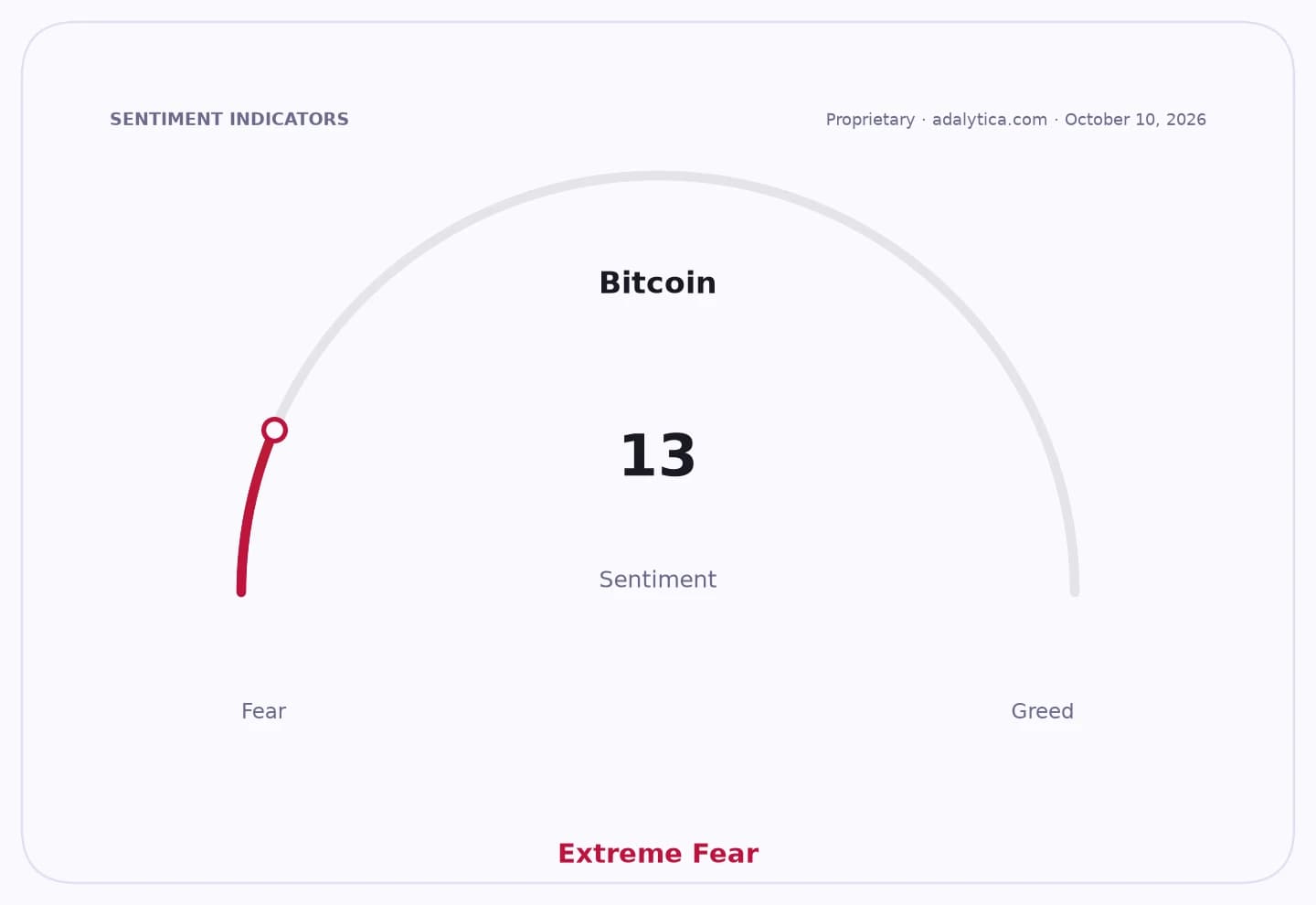
Investors may see the announcement as strategically positive for XRP’s long-term utility, but the market is still focused on the token’s weak price action. XRP was last around $1.32, down sharply from levels above $2 earlier in the period, and conventional technical indicators including a 25.2 RSI and a 50-day moving average above the current price suggest momentum remains weak.
The broader backdrop is one of caution across digital assets, with XRP struggling despite ecosystem efforts to deepen payments use cases and support for features that could allow AI agents to make autonomous payments. Whether this partnership translates into higher network activity, stronger developer adoption and eventually improved token demand will likely be the key test for XRP holders.
| Entity | Gains | Losses |
|---|---|---|
| Ripple / XRPL | ▲Easier developer adoption | ▼Less urgency to build wallets in-house |
| Privy / Stripe | ▲More embedded-wallet usage | ▼Greater execution risk on XRPL rollout |
| Fintech developers | ▲Faster stablecoin integration | ▼Less control over custom infrastructure |
| XRP shorts / skeptics | ▲— | ▼Utility narrative gets stronger |