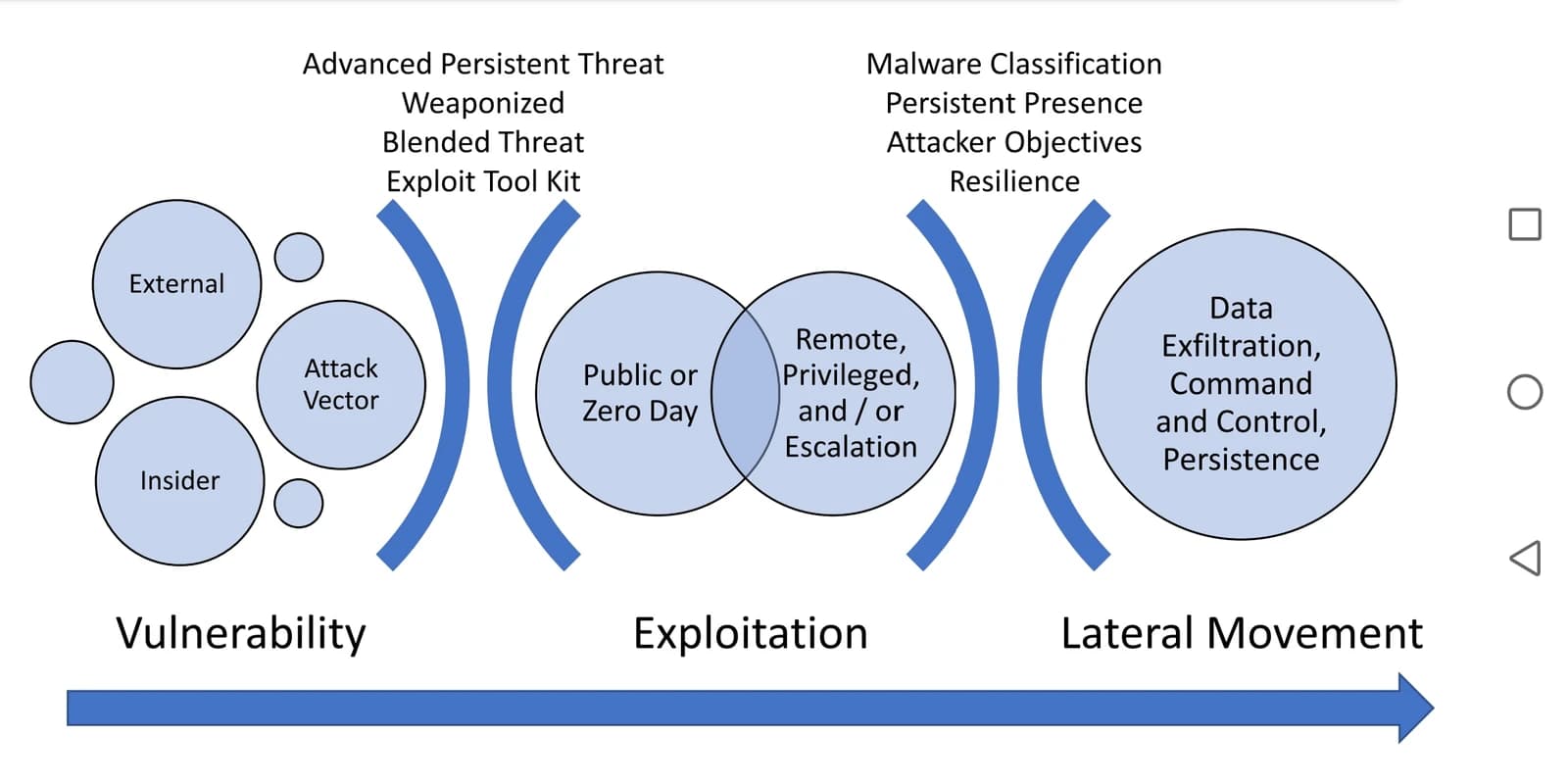
AI may be a bigger immediate threat to crypto networks than a breakthrough in cracking encryption, according to Avalanche creator Emin Gün Sirer, who warned that advanced models could uncover hidden flaws in the XRP Ledger’s software and wallets and let attackers steal funds through zero-day exploits.
XRP Ledger Security Risks Raised by Emin Gün Sirer
That matters because the risk is not theoretical: if machine-learning systems can systematically find bugs in blockchain code, libraries and wallet software faster than developers can patch them, the financial damage could come long before cryptography itself is compromised. For investors, that shifts the security debate from distant, abstract fears about broken encryption to the more practical problem of software quality, audit depth and operational resilience at the networks that underpin token valuations.
Sirer said the crypto industry is too focused on the possibility of AI cracking widely used cryptographic algorithms and not enough on AI’s ability to surface “critical systemic errors” in code. In his view, poorly tested code can contain defects that are hard for humans to spot but relatively easy for AI tools to detect, creating an opening for attackers to target vulnerable networks, wallets and protocol libraries.
The warning lands after a recent security issue on XRP Ledger, where developers issued an emergency software update in late September and said they would later publish the patched source code and a technical report. That episode reinforced a key investment point: even mature blockchains can face operational risks from software defects, and those risks can be amplified as attackers adopt AI to accelerate discovery and exploitation.
The comments also echo broader concerns across crypto and cybersecurity. Ethereum co-founder Vitalik Buterin has separately warned that AI development could threaten existing cryptographic systems in the coming years, underlining how the industry is weighing two distinct risks: long-horizon encryption breakthroughs and near-term exploitation of coding weaknesses.
For XRP, the market backdrop is already fragile. The token was last changing hands at $1.37, down from $1.41 a day earlier and well below its recent levels, with the 50-day moving average at $1.43 and the 200-day moving average at $1.28. RSI readings near 27 suggest the market remains weak, while trading volume climbed, indicating that security headlines can still matter for a token whose value depends heavily on confidence in the network’s integrity.
The bull case is that warnings like this prompt faster audits, tighter code reviews and more aggressive patching across the industry. The bear case is that AI shortens the time between vulnerability discovery and exploitation, raising the cost of operating crypto infrastructure and increasing the odds of sudden, trust-driven selloffs when flaws are disclosed. For investors, the next test is whether XRP Ledger can demonstrate faster remediation and stronger disclosure discipline than its attackers can adapt.
| Entity | Gains | Losses |
|---|---|---|
| AI-enabled attackers | ▲Faster flaw discovery | ▼Harder to detect before exploit |
| XRP Ledger developers | ▲Incentive to harden code | ▼Reputation damage from vulnerabilities |
| Crypto investors | ▲More security scrutiny | ▼Higher tail-risk on token valuations |
| Security auditors | ▲Greater demand for reviews | ▼Pressure to keep up with AI tools |