Choosing a stock market app is increasingly about cost, reliability and breadth of tools, not just the number of features on the screen. For investors and active traders, the real test is whether a platform can combine account opening, low-friction order placement, research, portfolio tracking and access to products such as equities, ETFs, mutual funds, IPOs and derivatives without forcing users to stitch together multiple services.
Robinhood, IBKR, Schwab Stock App Comparison
That matters because the brokerage business is a scale game. The better apps are the ones that keep customers engaged across market cycles, capture more transactions and widen product usage, while the weaker ones risk losing share to platforms that offer a cleaner interface or a better economics package. Robinhood’s recent share moves underscore how quickly sentiment can swing when investors reassess growth, trading activity and revenue sensitivity to market volatility.
Sentiment Indicators
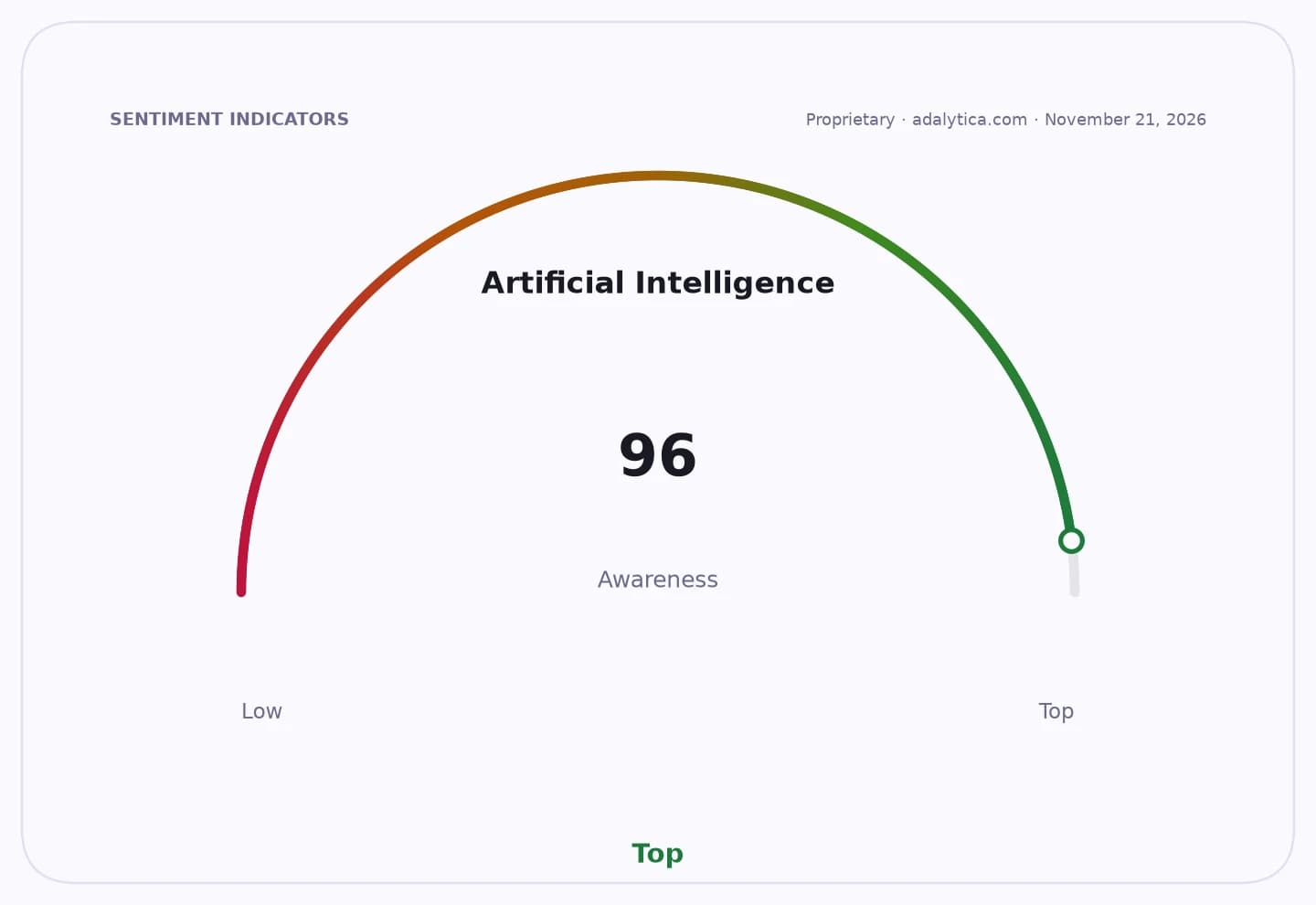
The comparison is especially relevant now because the market backdrop remains unstable. Adalytica’s S&P 500 trade signals show “Extreme Fear” even as awareness sits at a “Greed” level, a combination that typically reflects nervous positioning alongside sustained attention to risk assets. The U.S. dollar trade signals also point to “Extreme Fear,” suggesting a broader environment in which investors are still recalibrating exposure rather than committing to a stable trend. In that setting, apps that help users monitor positions, read charts and react quickly can gain value, while platforms with higher friction may see lighter usage.
That is why the core features in a stock trading app matter more than promotional branding. Easy digital onboarding lowers the barrier for first-time investors. Comprehensive market information, including watchlists, corporate announcements, results and stock screeners, helps users make faster decisions. Advanced tools such as real-time data, order types, options chains and technical indicators matter for active traders. Portfolio tracking matters for everyone because it shows concentration risk, profit and loss, and whether a user’s allocations still match their goals.
Fees remain the other decisive variable. Brokerage charges, annual maintenance fees, exchange levies and statutory costs can quickly outweigh headline “low commission” promises, particularly for frequent traders. The most cost-effective app is not necessarily the cheapest one on one metric; it is the one that matches a user’s trading style, research needs and product mix at the lowest total cost.
For investors, that means the market for stock apps is increasingly a contest between bundled convenience and specialist depth. Platforms that can serve beginners with education and simple execution while still offering more advanced functionality for active traders have the best chance of retaining assets over time. Platforms that cannot balance those two audiences risk being left with either low-margin sign-ups or transient, high-churn users.
Robinhood has become a useful barometer because its business depends heavily on trading activity and investor appetite for risk. Interactive Brokers and Schwab, by contrast, highlight two different competitive advantages: one built on breadth and sophistication for global, more active users, the other on scale, trust and a fuller wealth-management relationship. The broader industry message is that winning the “best stock market app” ranking will depend less on marketing and more on whether a platform can deliver transparent pricing, strong research and a trading experience that holds up when markets turn volatile.
| Entity | Gains | Losses |
|---|---|---|
| Investors using stock apps | ▲Lower costs, better tools | ▼Confusion from feature overload |
| Robinhood | ▲Higher engagement in volatile markets | ▼Sentiment swings tied to trading activity |
| Interactive Brokers | ▲Gains from advanced-trader demand | ▼Less appeal to beginners |
| Schwab | ▲Benefits from trust and bundled services | ▼Pressure on pricing and app simplicity |