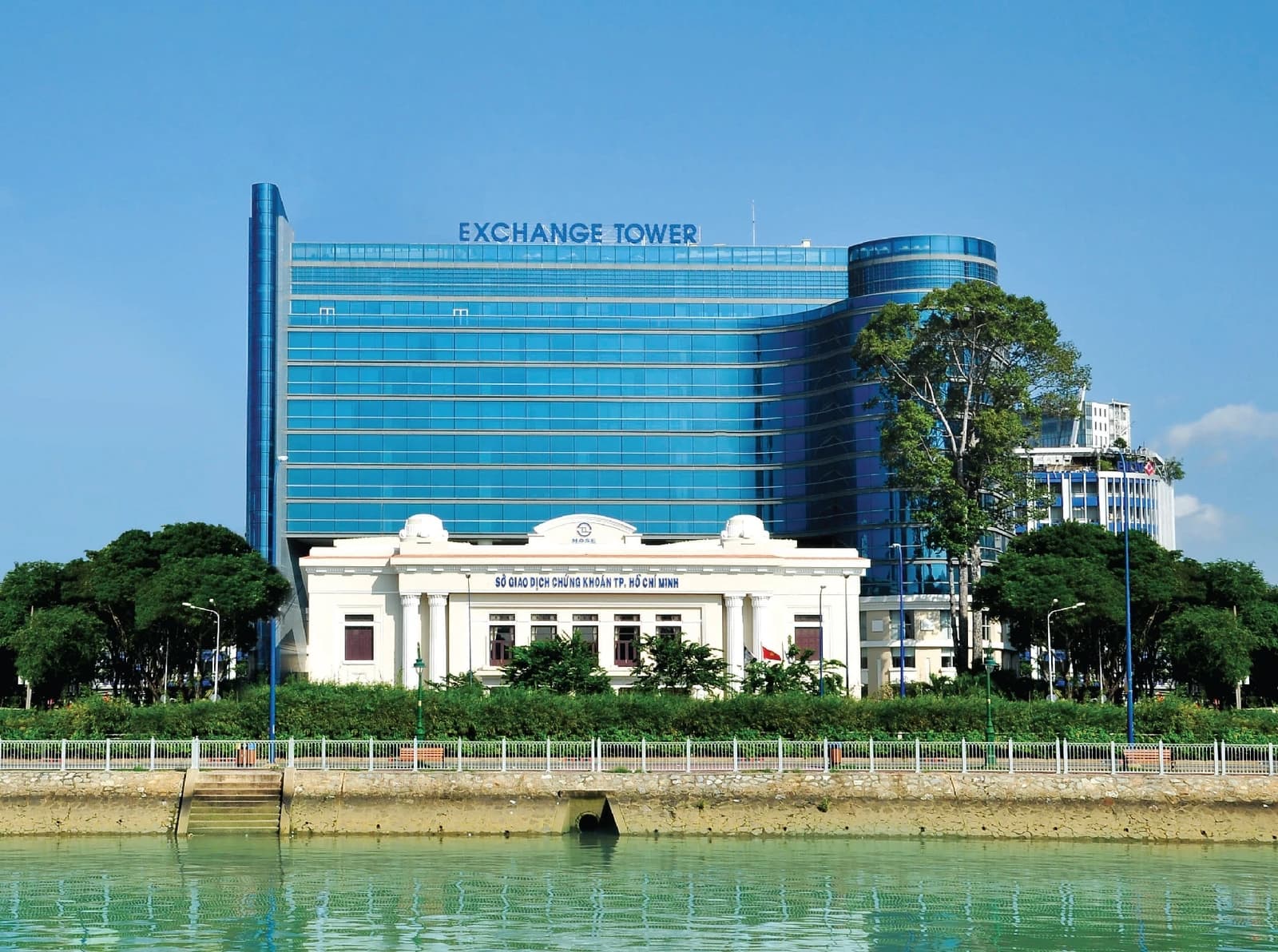
AI is rapidly reshaping how investors research and execute trades, and Vietnamese broker DNSE is betting that the next competitive edge in stock picking will come from software that can compress analysis from days to minutes. That message, delivered at its Future Tech Summit 2026 in Ho Chi Minh City, matters because it points to a broader shift in retail investing: the tools once reserved for institutions are being pushed toward ordinary investors, potentially changing how capital is allocated across Vietnam’s market.
DNSE pitches AI tools for Vietnam retail investors
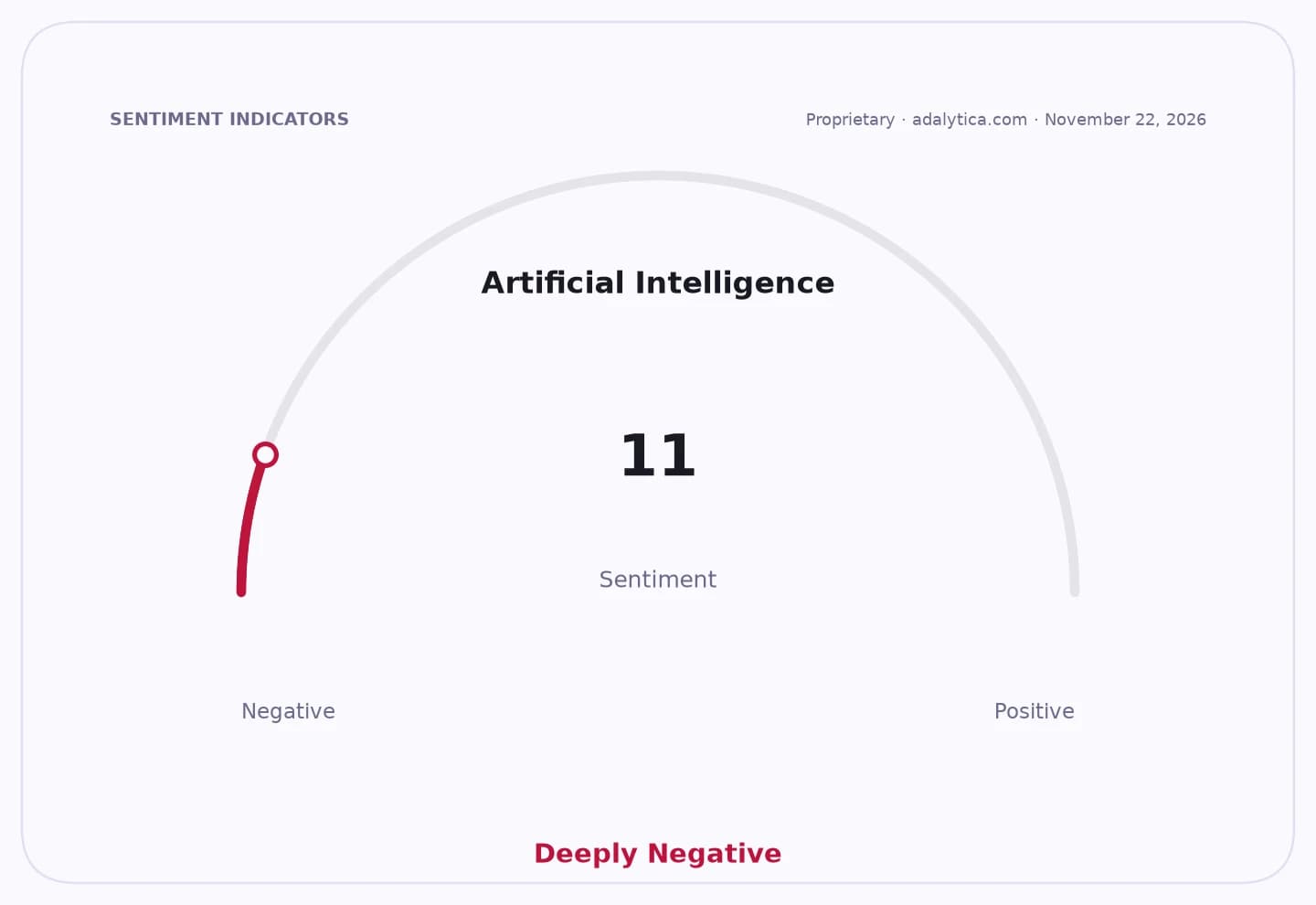
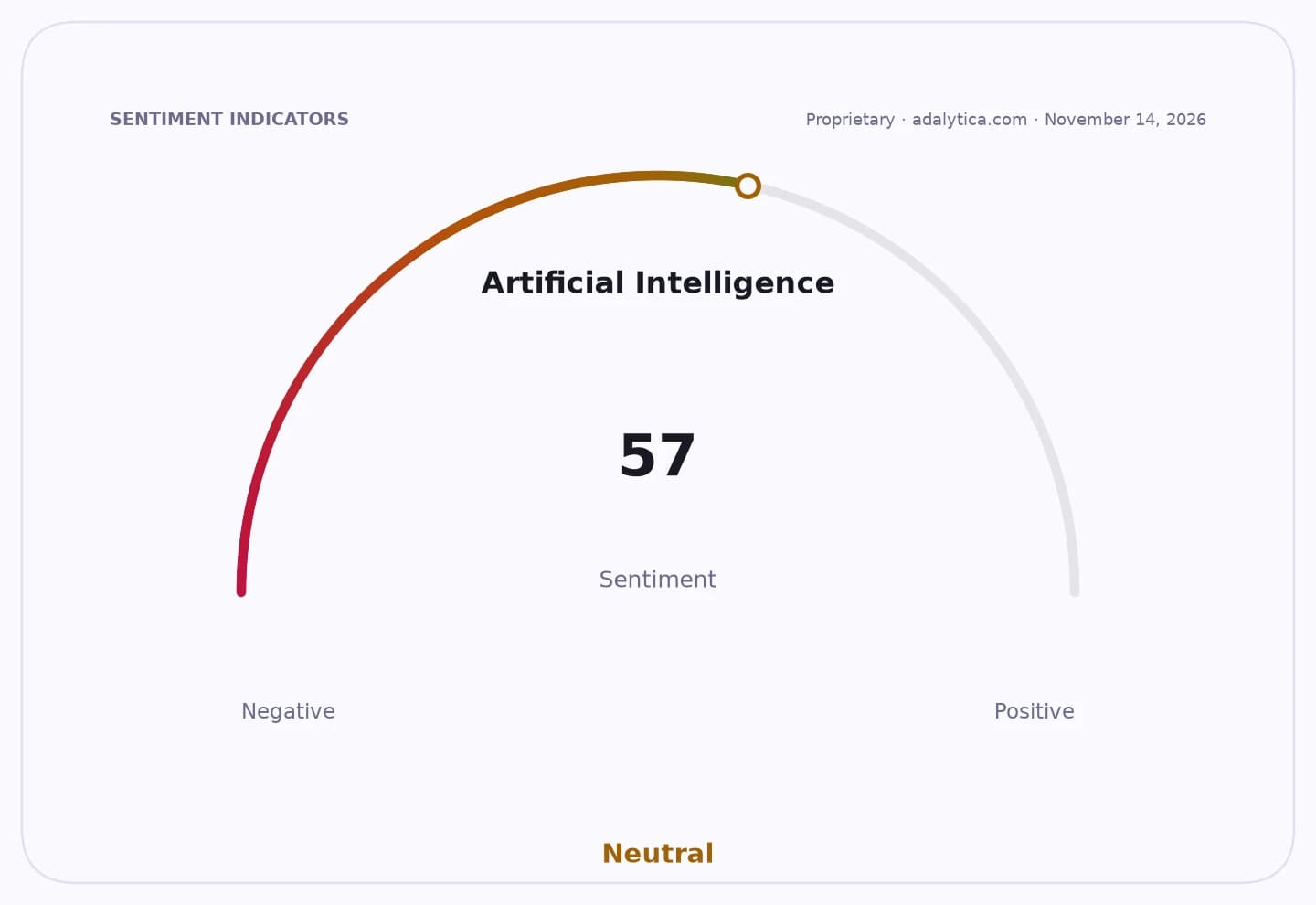
Artificial Intelligence
The economic significance is straightforward. Faster access to structured data, backtesting and trade execution can lower the cost of making decisions, reduce behavioural mistakes and improve portfolio management for smaller investors who typically lack dedicated research teams. In a market where retail participation is important, that can increase trading efficiency, deepen activity in equities and derivatives and support liquidity in listed names and fund products.
Sentiment Indicators
DNSE framed the event around “Market IQ: Level Up Your Investment,” arguing that AI is no longer simply a question of whether an investor uses the technology, but how well it is integrated into the investment process. Chairman Nguyen Hoang Giang said the firm wants to make AI and technology accessible to individual investors, not just large financial institutions with greater resources and in-house analysts.
That positioning is commercially important for DNSE itself. The company says it has more than 2 million customer accounts, ranks in the top two in Vietnamese derivatives market share and is among the top two retail brokerage services in the country. By building products that combine research, strategy design and execution, DNSE is trying to lock users deeper into its platform and differentiate itself in a crowded brokerage market where execution speed and digital workflow increasingly matter.
At the centre of the pitch is Ensa Workspace, a tool DNSE says connects market research, analysis and data verification in a single workflow. The company said it could reduce the time to complete a report from roughly three days to about three minutes. If that claim translates in practice, it could materially improve productivity for brokers and active investors, while also raising the bar for competitors that still rely on fragmented research processes.
The bull case is that AI-assisted investing will broaden access to professional-grade tools, support engagement and create new revenue streams across brokerage, data and execution services. The bear case is that automation may narrow the advantage of any single platform, while overreliance on AI-generated signals could encourage rushed or crowded trades, especially in volatile markets. For investors, the key question is not whether AI will be adopted, but which firms can turn it into durable customer retention and fee generation.
The summit also underscored a broader industry trend: brokerage firms are moving beyond order placement and trying to become full investment platforms. DNSE said its AI strategy focuses on three steps — analysing market information, building trading strategies and helping execute them — while also emphasising backtesting so investors can assess ideas before committing capital. That approach aligns with rising demand for tools that can manage risk as well as returns.
The collaboration with Dragon Capital adds another layer. The asset manager’s involvement suggests DNSE is trying to combine technology with portfolio construction expertise, a combination that could appeal to both self-directed traders and more disciplined asset allocators. In a market increasingly shaped by speed, data and algorithmic tools, that kind of partnership may be more valuable than a simple trading app.
For investors, the implications are twofold. DNSE’s push into AI could strengthen its competitive position if adoption is strong and monetisation follows. But the larger story is that brokerage economics in Vietnam may be shifting toward platforms that can package research, execution and portfolio tools into a single ecosystem. The firms that prove they can do that efficiently are likely to gain share; those that cannot may find that AI is no longer just a feature, but a requirement.
| Entity | Gains | Losses |
|---|---|---|
| DNSE | ▲Platform stickiness | ▼Legacy brokerage models |
| Retail investors | ▲Faster research tools | ▼Manual, fragmented workflows |
| Dragon Capital | ▲Broader distribution | ▼Standalone asset managers |
| Competitors | ▲Need to innovate | ▼Pricing and product pressure |