NVIDIA and FPT are teaming up to build a synthetic dataset of 1 million profiles designed to mirror Vietnam’s population patterns, a move that could help make AI tools more useful locally while reducing privacy risk.
NVIDIA and FPT build Vietnam synthetic AI dataset

That matters because the next phase of AI adoption is less about flashy demos and more about whether models understand the language, behavior and data realities of the markets they serve. For Vietnam, one of Southeast Asia’s faster-growing digital economies, locally tuned data could improve everything from customer service bots to enterprise software, banking tools and public-sector applications.
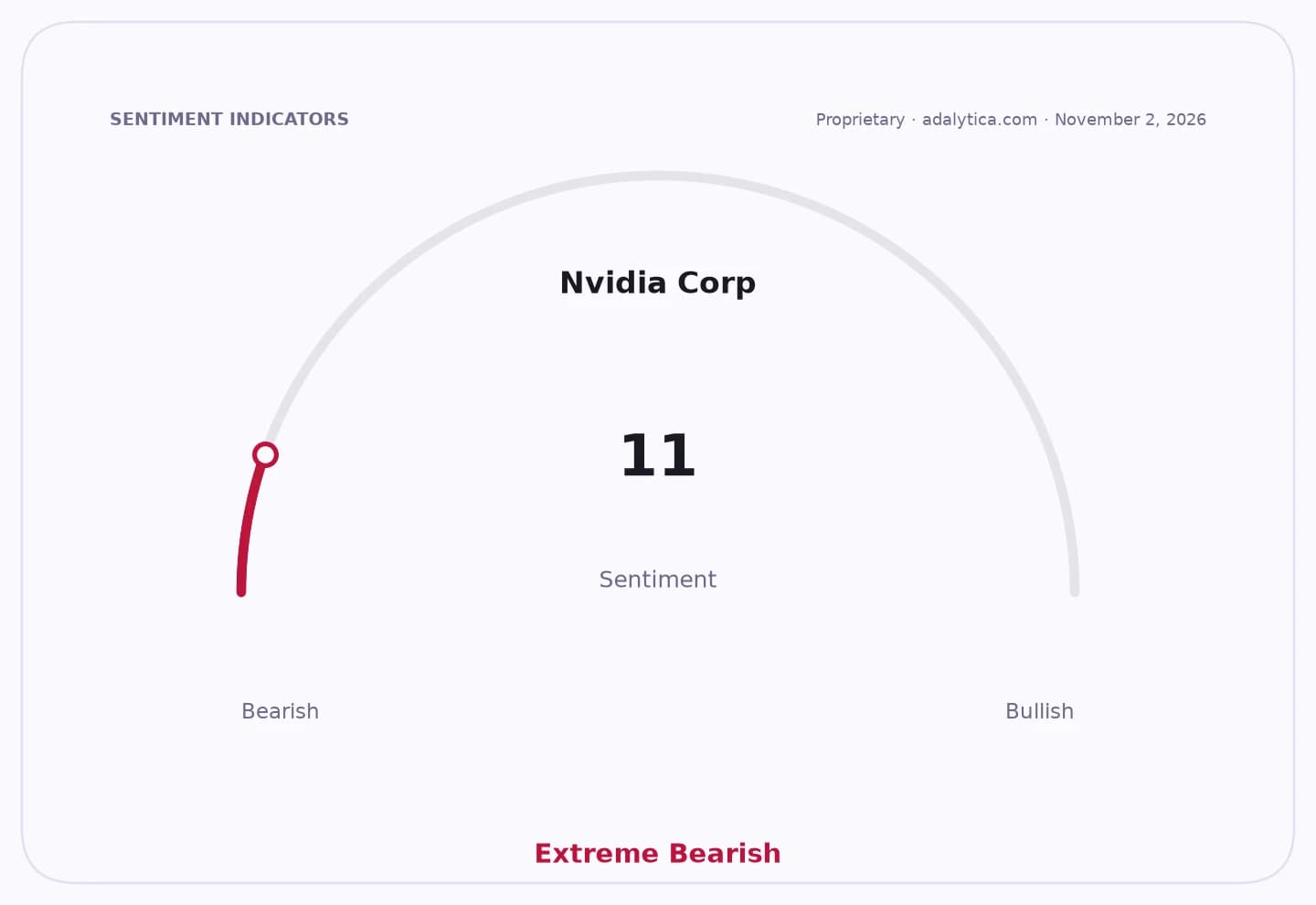
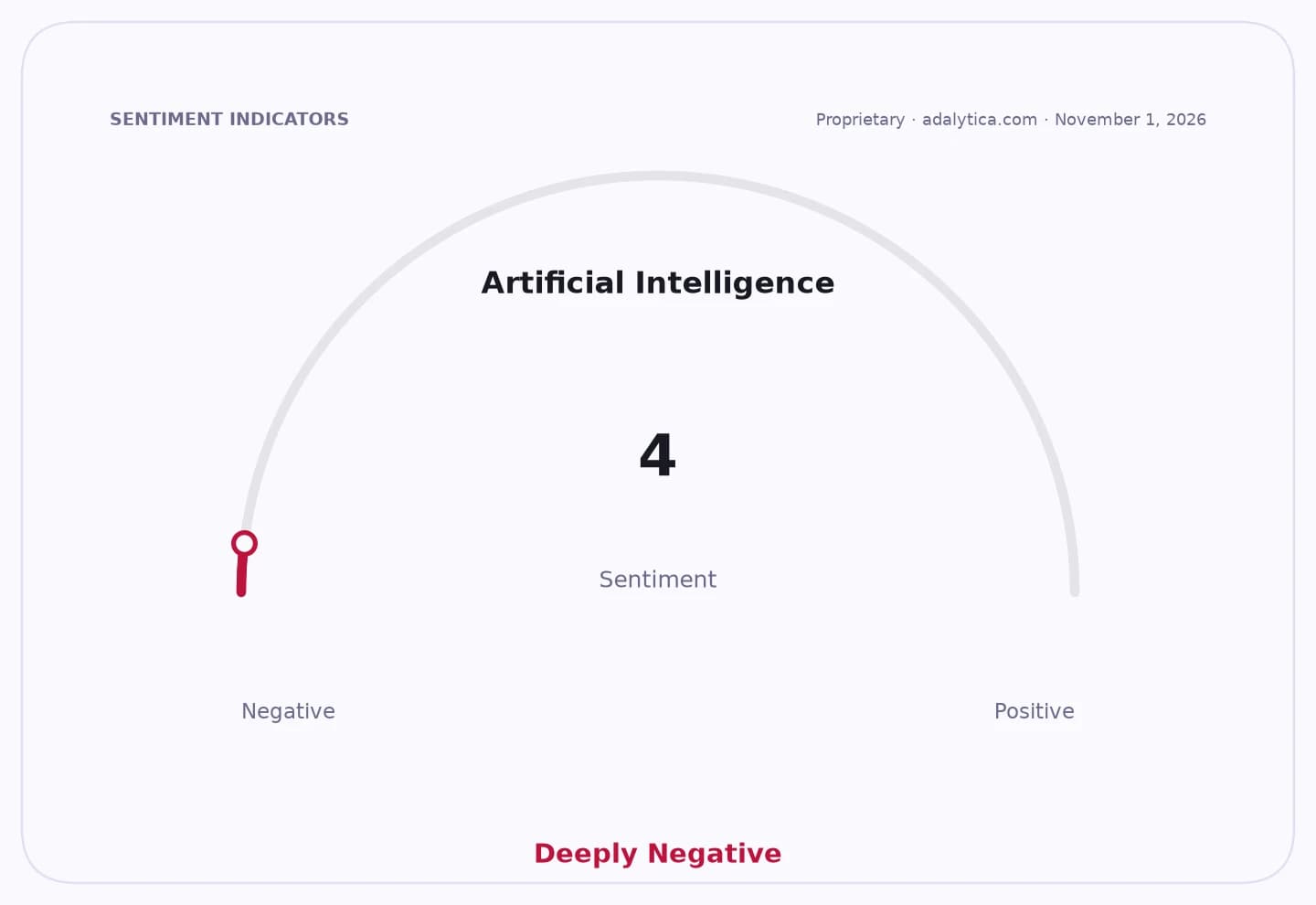
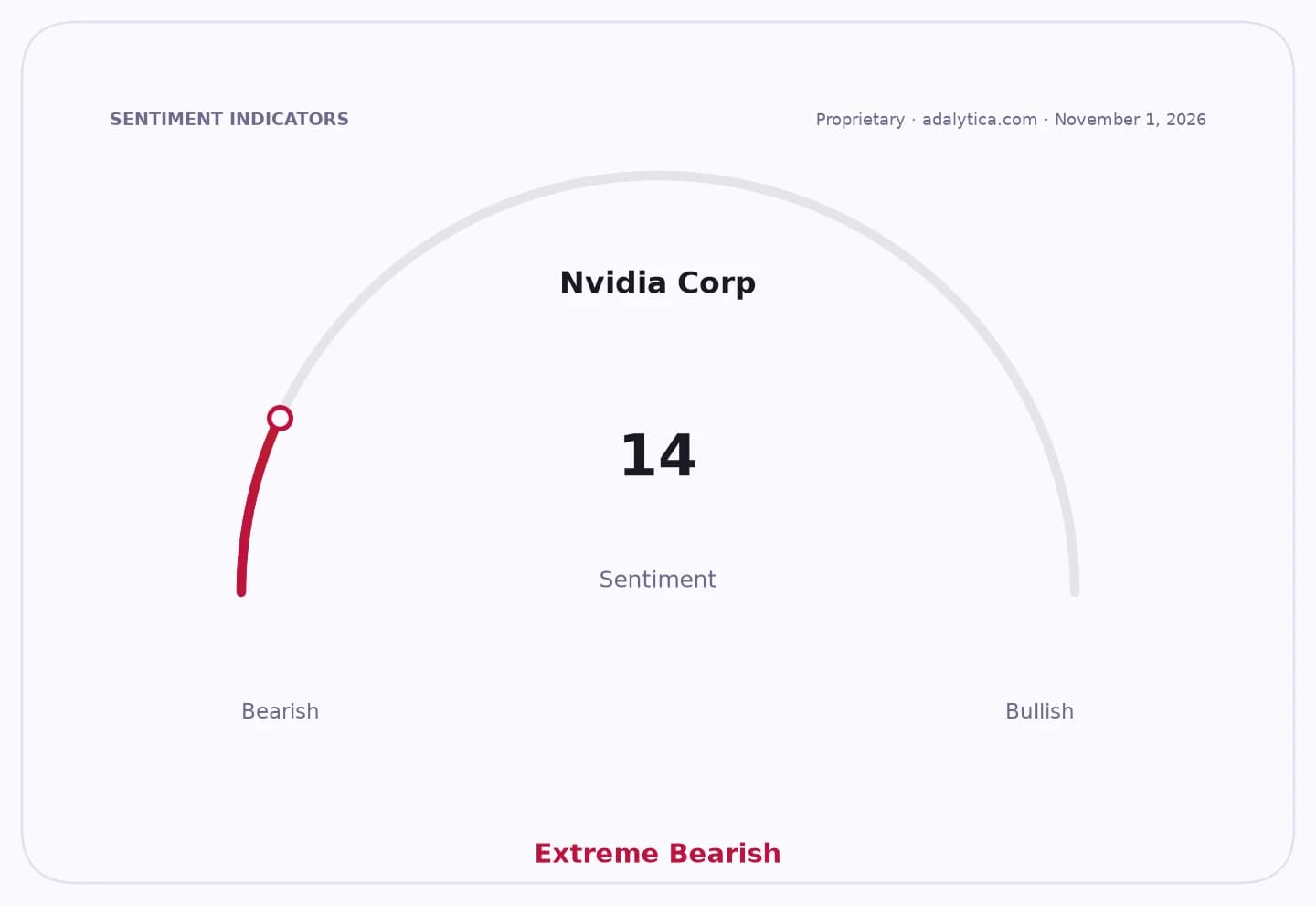
Sentiment Indicators
The collaboration was unveiled at FPT Transform 2026 in Hanoi, where NVIDIA has been pushing its Open Intelligence strategy around the Nemotron family of models. The pitch is straightforward: open models, open training recipes and synthetic data can lower the cost and complexity of building specialized AI agents. NVIDIA said the broader Nemotron-Personas project now spans synthetic representations of 2.4 billion people across multiple countries and has drawn more than 410,000 downloads from the AI developer community.
For investors, the significance is twofold. First, this is another sign that NVIDIA’s growth story is moving beyond raw GPU demand and into the software and data layer that helps enterprises actually deploy AI. Second, it strengthens FPT’s role as a local AI infrastructure and services partner in Vietnam, where businesses have been struggling with data security, sovereignty and the difficulty of scaling AI beyond pilot projects.
FPT used the event to show how that opportunity could translate into revenue. It unveiled AI products aimed at enterprise adoption, including FPT AI EOS for managing AI agents, FPT Token Factory for unified model access and FPT Kubernetes with GPU to help companies run larger AI workloads. FPT said its infrastructure and software stack can more than double throughput in some settings and cut time to first token by about three times on the same GPU system, which is the kind of efficiency gain enterprises need before they commit at scale.
The broader investment case is that AI in Vietnam is shifting from experimentation to infrastructure. That usually favors companies that can combine local trust, compliance and integration services with access to global technology partners. NVIDIA gets another foothold in an important emerging market, while FPT gets a stronger pitch to banks, government agencies and large enterprises that want AI, but also want control over where their data is processed.
That does not mean the road will be smooth. Synthetic data is only as good as the assumptions behind it, and open AI stacks still face competition from closed ecosystems with larger distribution and brand recognition. But for long-term investors, the key point is that Vietnam’s AI buildout is becoming more concrete, and partnerships like this one are laying the groundwork for durable demand in chips, cloud services, data tooling and enterprise software.
If you are thinking in years, not days, this is the kind of development worth watching: it connects NVIDIA’s platform strategy with FPT’s local execution and shows how AI adoption is becoming a national-capability story, not just a technology story.
| Entity | Gains | Losses |
|---|---|---|
| NVIDIA | ▲More enterprise AI adoption | ▼Some closed-stack rivals |
| FPT | ▲Stronger AI platform role in Vietnam | ▼Firms lacking local AI capability |
| Vietnamese enterprises | ▲Better local AI fit | ▼Manual workflows and data silos |
| Privacy-sensitive users | ▲Less exposure of real records | ▼Data-heavy legacy models |