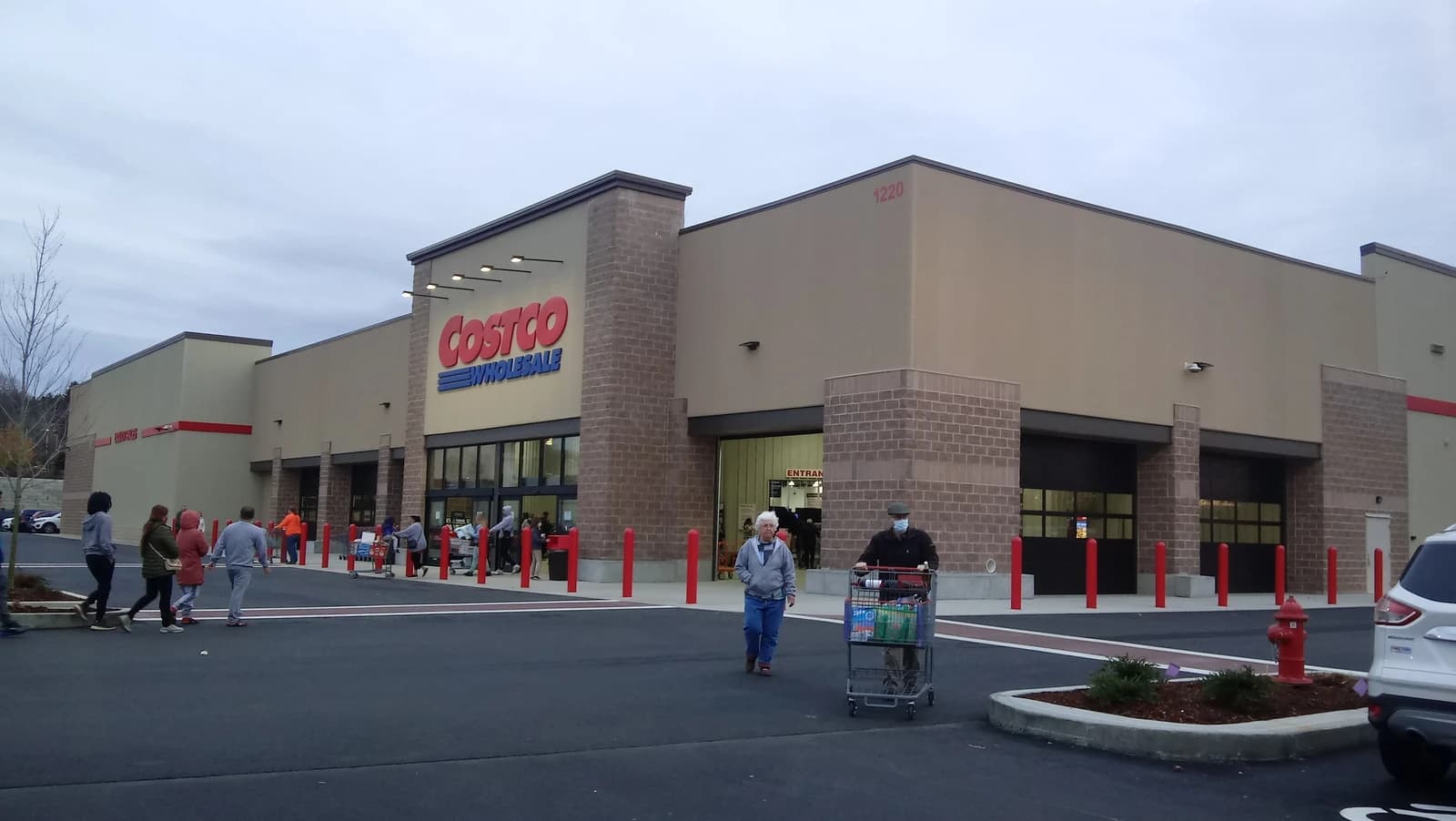
A beloved Rocky Mountain Chocolate Factory candy appears to be vanishing from supermarket shelves, but the bigger market story is that demand for chocolate is still strong even as supply risks and volatile cocoa costs keep the sector under pressure.
Rocky Mountain Chocolate Faces Shelf-Space Pressure
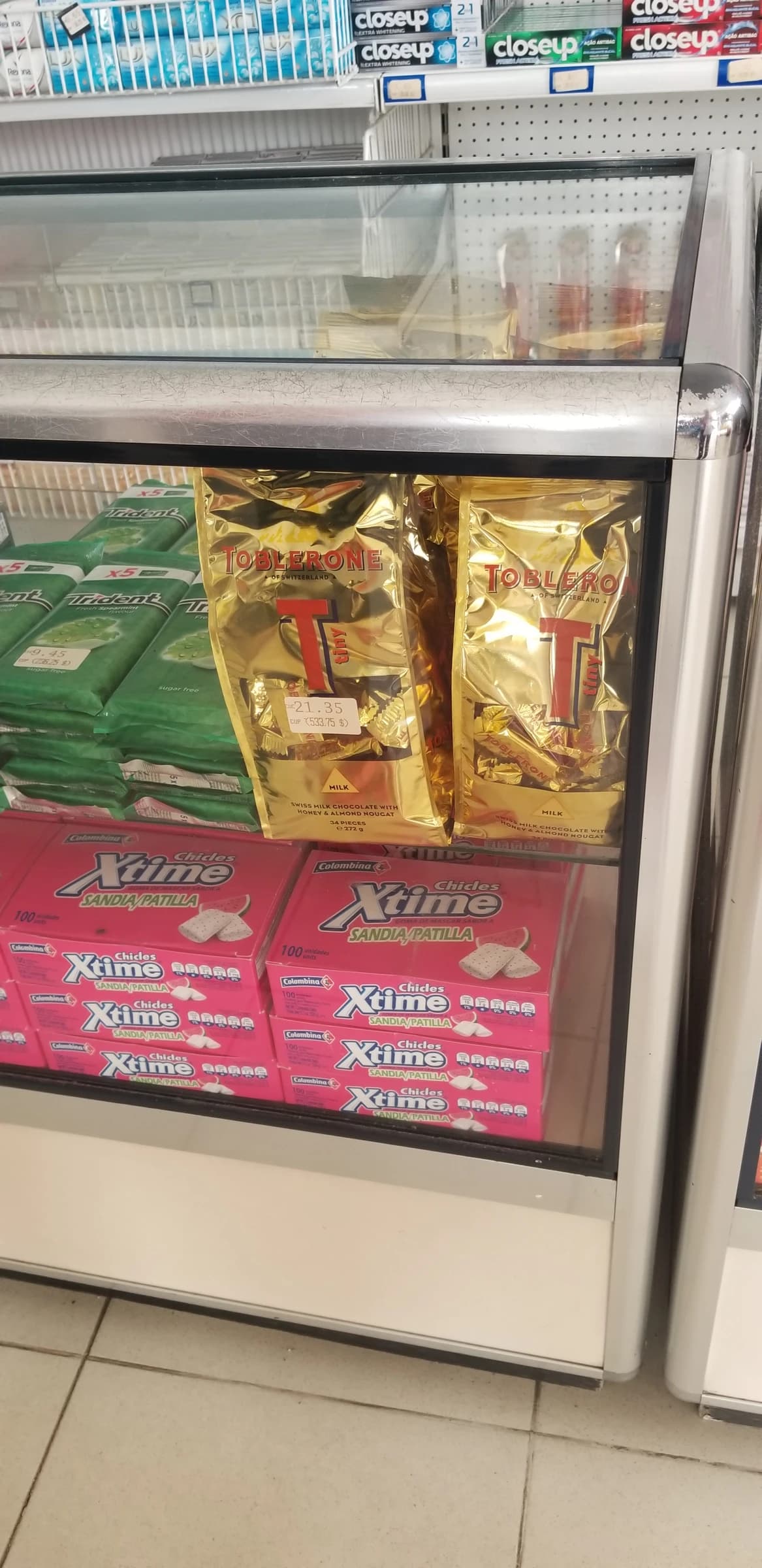
The disappearance matters because chocolate is a margin-sensitive category: when retailers pull slower-moving or higher-cost confectionery lines, suppliers lose shelf space, and investors get an early read on whether grocers are managing inventory tightly or making room for better-selling products. For Rocky Mountain Chocolate Factory, the move comes as the stock continues to trade like a distressed microcap, with shares slipping to 96 cents on July 17 after briefly surging above $2 earlier this year.
That volatility underscores how quickly investor sentiment can shift in a business exposed to commodity inflation, thin liquidity and changing consumer demand. The stock’s 50-day moving average sits near $1.65, while the 200-day moving average is around $1.94, both above the current price, a sign the shares remain in a downtrend despite intermittent spikes. Recent RSI readings in the low 40s also suggest the move is not yet overbought, leaving room for further swings if trading volume returns.
The news is not just about one brand or one chain. A separate industry backdrop shows chocolate demand holding up, even as geopolitical tensions threaten fertilizer supplies that could eventually hit agricultural output and cocoa-related costs. That combination is important for food makers and retailers: steady demand can support volume, but supply shocks and higher input costs can still compress margins and force assortment changes on shelves.
For investors, the key question is whether the grocery reset is temporary merchandising or a sign of deeper pressure on small chocolate brands competing for space against larger, better-capitalized peers. Any improvement in cocoa supply or retailer demand could lift sentiment, but until then Rocky Mountain Chocolate Factory remains a high-beta name tied to commodity swings and shelf-space decisions.
The next catalyst is likely to come from retail restocking patterns, cocoa pricing and any company updates on product placement or demand trends. If supermarkets continue to prioritize faster-moving items, smaller confectionery names may face more churn before the sector gets clearer relief from input costs.
| Entity | Gains | Losses |
|---|---|---|
| Grocery chains | ▲Better inventory control | ▼Lower-margin candy brands |
| Major chocolate makers | ▲Shelf-space capture | ▼Smaller niche competitors |
| Cocoa producers | ▲Strong end-demand pricing | ▼Buyers facing higher costs |
| RMCF shareholders | ▲Potential rebound on restocking | ▼Ongoing volatility and downtrend |