Romania’s unusual “blood for bonds” program has become a real funding channel for the state, even as falling domestic rates at home are making the contrast with local savers harder to ignore.
Romania blood-for-bonds program raises 2.8 billion lei

The scheme, which gives blood donors access to Romanian government bonds paying more than one percentage point above standard retail issues and a yield above 7%, has attracted tens of thousands of participants and raised about 2.8 billion lei, or roughly 200 billion forints, since the start of 2025. For Bucharest, the payoff is more than symbolic: it helps finance one of the European Union’s largest budget deficits while also easing a chronic blood shortage.
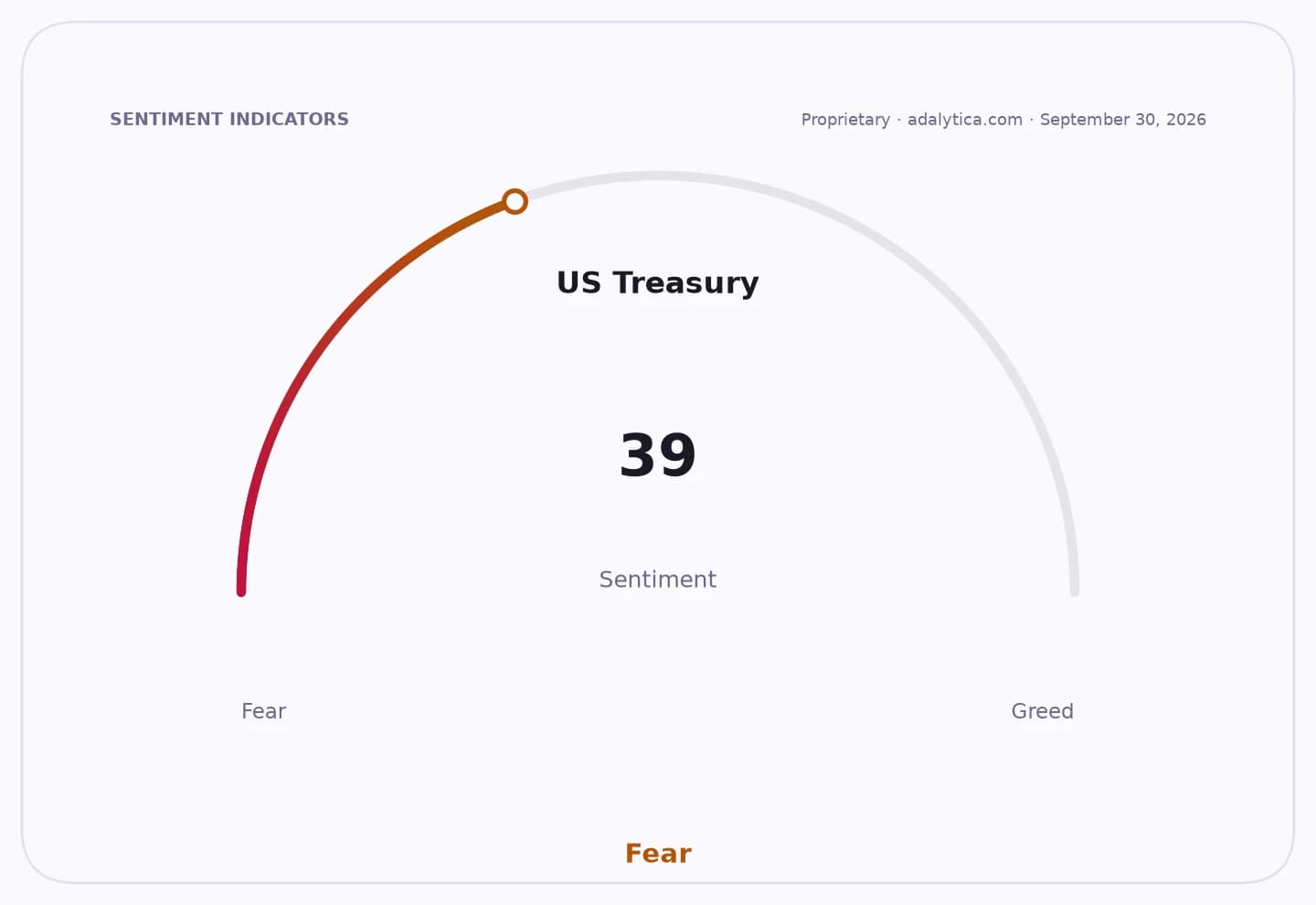
Sentiment IndicatorsⓘProprietary · adalytica.com · October 1, 2026
This is a snapshot — live sentiment, awareness and momentum for 130+ markets update continuously in the dashboard.Open AlphaPulse
That matters because the program shows how strained sovereign funding conditions have become in Europe. Governments with large borrowing needs are increasingly leaning on retail investors, who are slower to flee in stress than foreign funds and institutions. Romania, which posted the EU’s biggest fiscal deficit last year, has turned a public-health campaign into a liability-management tool, effectively paying up for a stickier source of financing.
The structure is deliberately simple. Donors upload proof of donation to a participating broker and become eligible for the higher-yield bonds. The extra return is enough to motivate repeat participation, according to local investors. One Romanian retail investor, Laviniu Beze, said he gives blood four times a year to access the bonds and has built them into about 40% of his portfolio.
For the state, the higher coupon is offset by lower marketing costs and a broader social gain. State treasury chief Stefan Nanu argues the benefit to society outweighs the added interest expense, especially since the program was launched in 2023 with a popular rock radio station and has generated publicity without a conventional advertising budget.
The wider implication is that sovereign debt markets are moving deeper into a period where governments must compete harder for household savings. Similar retail-bond efforts have proliferated from Italy to Japan and Brazil as deficits and debt burdens have climbed. That trend helps explain why bond yields remain elevated globally and why policymakers have less room to count on easy funding conditions.
The contrast with Hungary is sharper because local rates are being cut more aggressively, reducing the appeal of domestic savings vehicles just as Romania is using a yield premium to pull in cash. For investors, the Romanian case is a reminder that in a high-debt environment, attractive nominal yields can coexist with fiscal stress — and that governments may increasingly use non-traditional incentives to secure funding.
What happens next will depend on whether higher retail yields keep drawing demand without materially worsening Romania’s borrowing costs. If the program scales further, it could become a template for other fiscally stressed governments. If market rates keep falling in some countries while sovereign funding needs remain heavy, the competition for household capital is likely to intensify.
| Entity | Gains | Losses |
|---|---|---|
| Romanian state | ▲Sticky retail funding | ▼Higher interest expense |
| Blood donors / retail savers | ▲7%+ bond yield | ▼Time and effort to qualify |
| Romanian public health system | ▲More blood donations | ▼— |
| Traditional institutional lenders | ▲— | ▼Less pricing leverage |