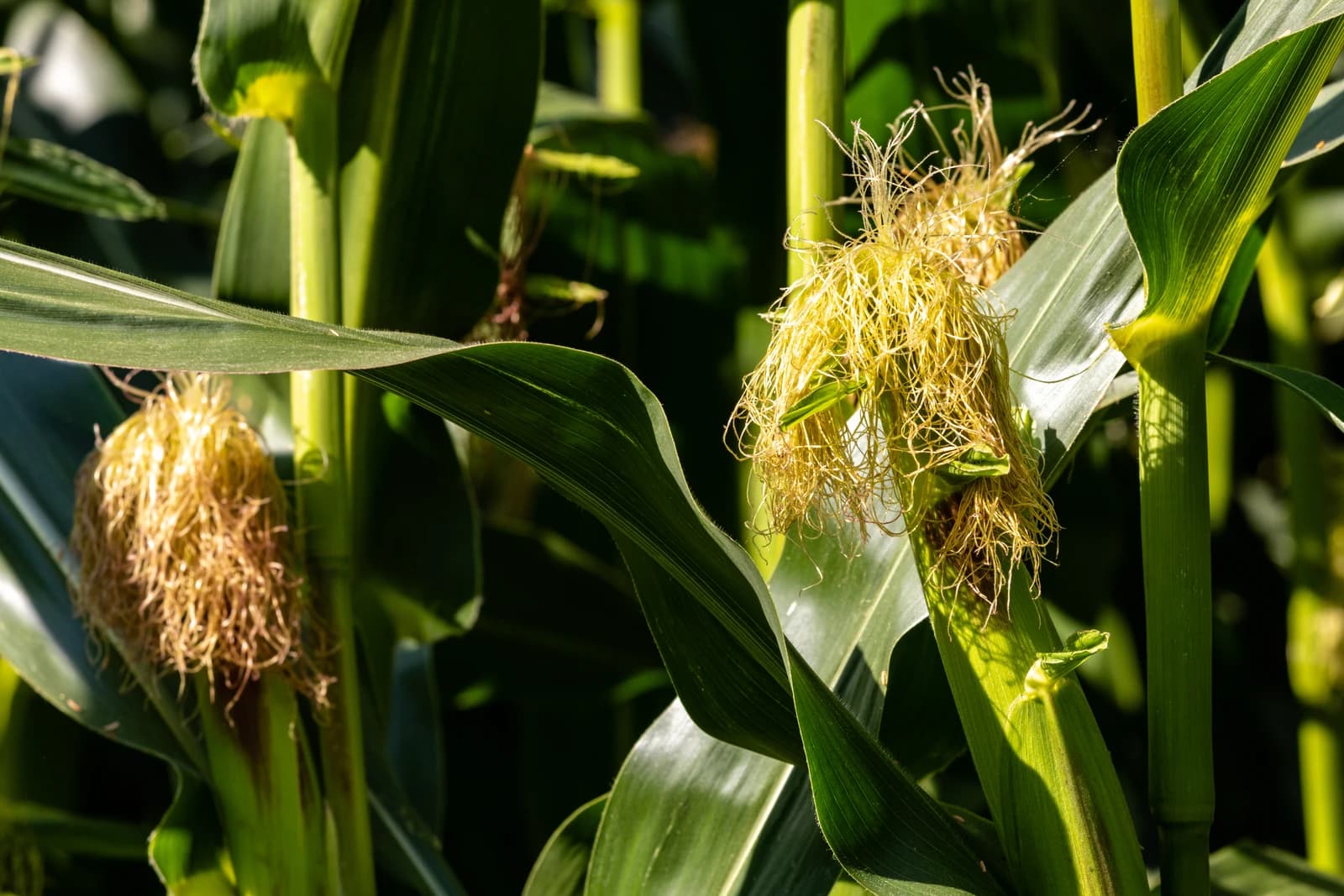
Romania is moving to soften the blow from last year’s drought with emergency aid of as much as 333 lei per hectare for corn and sunflower growers, a targeted cash injection that could help keep strained farms afloat and support planting decisions for the next season.
Romania approves drought aid for corn and sunflower farmers
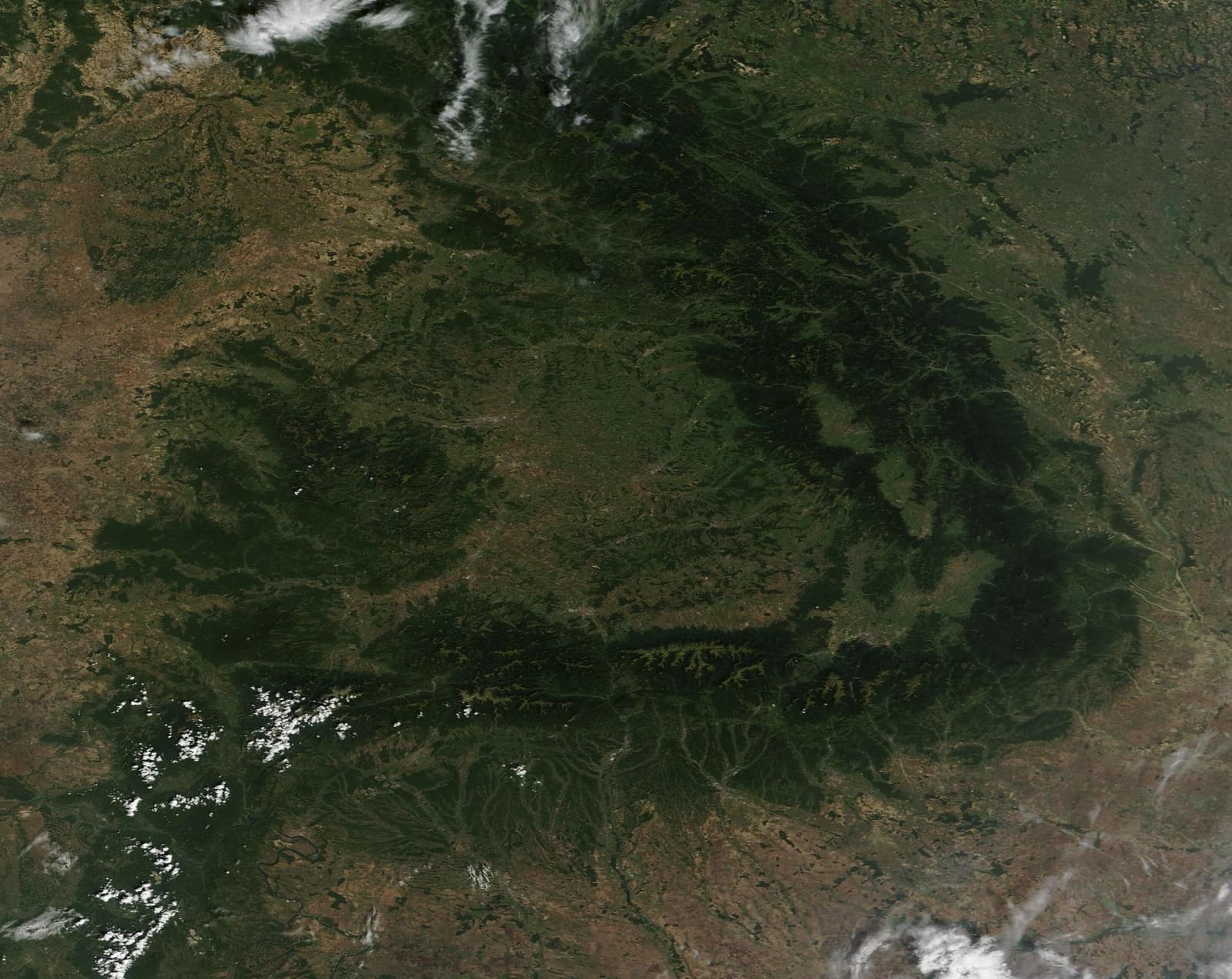
The package matters because drought is not just a weather story; it is a balance-sheet shock for farmers and a supply-chain issue for the wider economy. Corn and sunflower are two of Romania’s most important field crops, so damage to those harvests can hit farm income, rural spending and, ultimately, food and feed markets. By setting aside 155.36 million lei and promising payment by Dec. 31, the government is trying to prevent a bad harvest from turning into a longer credit and liquidity crisis in the countryside.
Sentiment IndicatorsⓘProprietary · adalytica.com · October 11, 2026
This is a snapshot — live sentiment, awareness and momentum for 130+ markets update continuously in the dashboard.Open AlphaPulse
APIA said applications will run from Oct. 12 to Nov. 6, 2026, and must be filed at local payment centers or submitted electronically. The aid is available only to producers who already filed 2025 payment requests, hold damage reports showing losses of 30% to 100%, and appear in county agriculture records. Farmers with losses of 90% to 100% can receive the full 333 lei per hectare, while those with smaller losses will get proportionally less.
For investors, the key point is that drought relief can stabilize an agricultural economy under stress, but it does not erase the underlying volatility in crop output. Farmers facing a severe cash squeeze are often forced to delay equipment purchases, cut input use or refinance debt, which can ripple through suppliers of seed, fertilizer, machinery and grain handling services. Any support that keeps producers operating reduces the risk of a deeper slump in farm investment, even if it cannot restore lost yields.
The aid also highlights a broader climate trend investors cannot ignore: weather-driven shocks are becoming a recurring feature of European agriculture. That favors companies with diversified sourcing, strong pricing power and exposure to farm resilience rather than those tied to a single growing season or region. It also keeps attention on agricultural insurers, lenders and input providers that can benefit from efforts to rebuild production after a bad year.
For long-term investors, the takeaway is simple: drought relief is a short-term fix, not a cure. The real story is how repeated climate stress is reshaping farm economics, government budgets and commodity supply chains. That makes the agribusiness complex worth watching closely, especially businesses with durable demand and the ability to adapt when the weather does not cooperate.
| Entity | Gains | Losses |
|---|---|---|
| Romanian corn and sunflower farmers | ▲Emergency cash support | ▼Yield losses from drought |
| APIA and the government | ▲Rural stability | ▼Fiscal spending pressure |
| Agribusiness suppliers | ▲Recovery demand | ▼Near-term farm distress |
| Grain buyers and consumers | ▲More stable supply outlook | ▼Weather-driven crop shortages |