Romania’s Neptun Deep gas project is shaping up to be one of Europe’s most important new supply sources, and that matters because it could trim the continent’s reliance on higher-cost LNG flows coming north through Greece and the Vertical Corridor.
Romania's Neptun Deep to Boost European Gas Supply
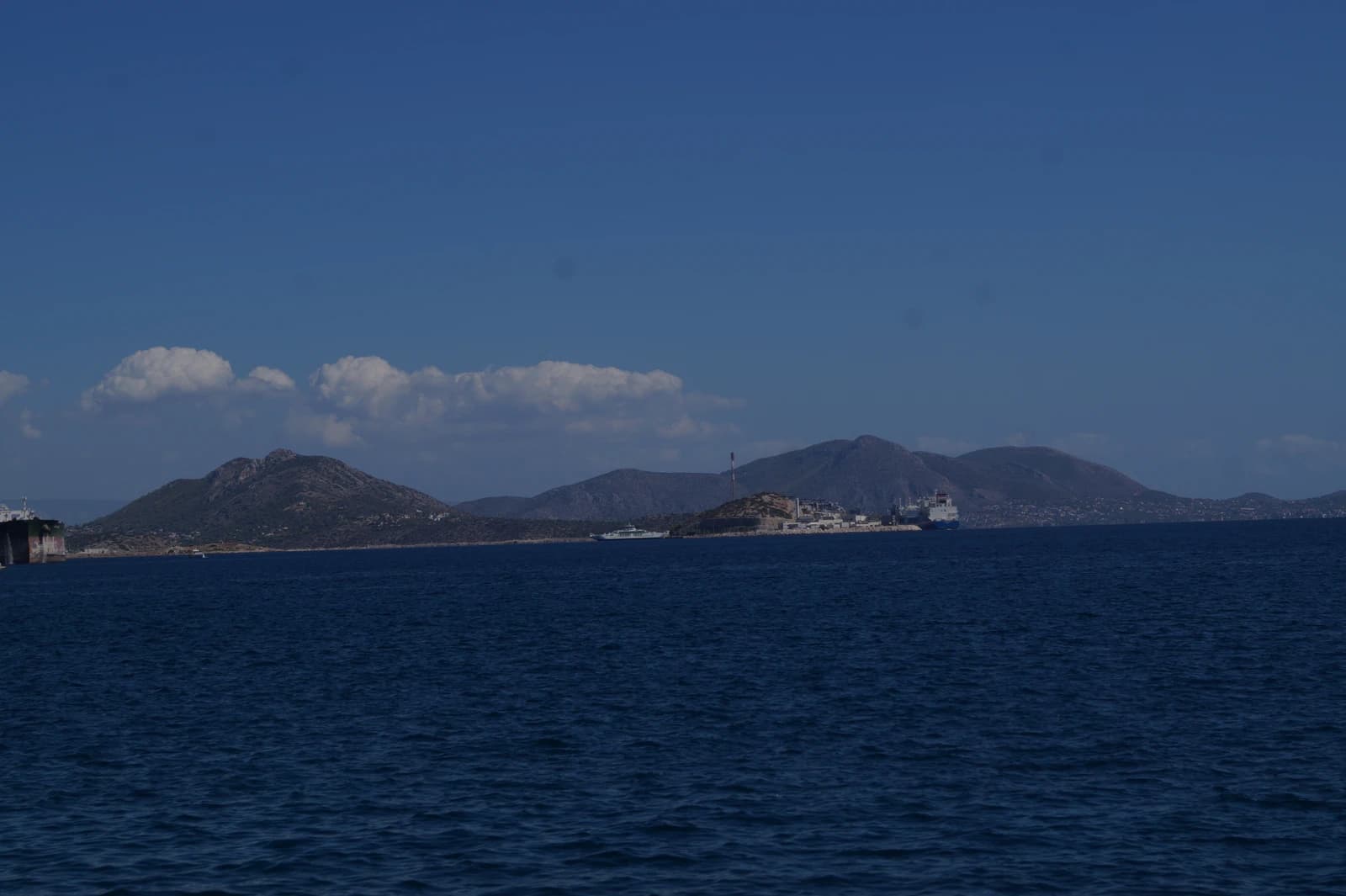
That is the big investment story here: a large domestic field in the Black Sea may do more than boost Romania’s own energy balance. It could reshape gas trade in southeastern Europe, easing the need for imported LNG cargoes to be routed through a transport chain that is already expensive, and potentially giving regional buyers a cheaper, closer source of supply.
Sentiment Indicators
S&P Global Energy told Reuters that extra volumes from Romania could reduce the need to move LNG north through Greece and the Vertical Corridor, where total transport costs are high. For investors, that is a meaningful shift. LNG has been the swing source of supply for Europe since the continent began replacing Russian gas, but if Romania becomes a steady exporter, the economics tilt toward pipeline gas sourced closer to demand centers.
Neptun Deep is estimated to hold about 100 billion cubic meters of recoverable gas and is expected to roughly double Romania’s production. That would turn the country into a regional supplier, including to Ukraine, starting in 2027. In a market where supply security still carries a geopolitical premium, a new European source with scale is more than a local development; it is a structural change.
The project is also tied to Romania’s broader economy. The European Commission said this week that production at Neptun Deep should support Romania’s growth next year and help narrow its external deficit. That makes sense: more domestic gas production can reduce import dependence, improve trade flows and support industrial users such as power plants and fertilizer makers.
The ownership structure matters too. Neptun Deep is a joint venture between OMV Petrom, controlled by Austria’s OMV, and Romanian state gas producer Romgaz. Romgaz plans to use its share for domestic power generation and industry, while OMV Petrom already has long-term supply deals in Germany and Moldova. That means the project is not just about Romania consuming more of its own gas; it is about a new export stream with commercial reach across Europe.
Still, investors should not ignore the risk side of the story. The Black Sea remains a security flashpoint as the naval war between Russia and Ukraine intensifies, and Romanian President Nicușor Dan has warned that critical infrastructure, including Neptun Deep, faces pressure from attacks and disruption. That raises execution and insurance risks for any project in the region.
For long-term investors, the takeaway is straightforward: Neptun Deep strengthens the case for a more diversified European gas market and could weaken some of the marginal demand for LNG routed through Greece. The winners are Romania, local industrial users and pipeline-connected buyers in southeastern Europe. The losers are the more expensive LNG logistics chain and, potentially, suppliers counting on sustained growth in imported cargo demand.
The field is not a near-term trading story so much as a multi-year supply reset. If it comes online on schedule, Neptun Deep could become one of those projects that quietly changes the map of European energy for the next decade. Worth watching closely.
| Entity | Gains | Losses |
|---|---|---|
| Romania / Romgaz | ▲export revenues | ▼import dependence |
| OMV Petrom | ▲long-term sales | ▼Black Sea project risk |
| LNG via Greece / Vertical Corridor | ▲— | ▼lower route demand |
| European buyers / Ukraine | ▲cheaper regional supply | ▼high-cost LNG reliance |