Romanians spent 77% more in large retail chains in 2025 than they did in 2019, underscoring how a mix of inflation, wage growth and a still-resilient consumer base has reshaped the country’s grocery and household-goods market.
Romania retail spending rises 77% since 2019
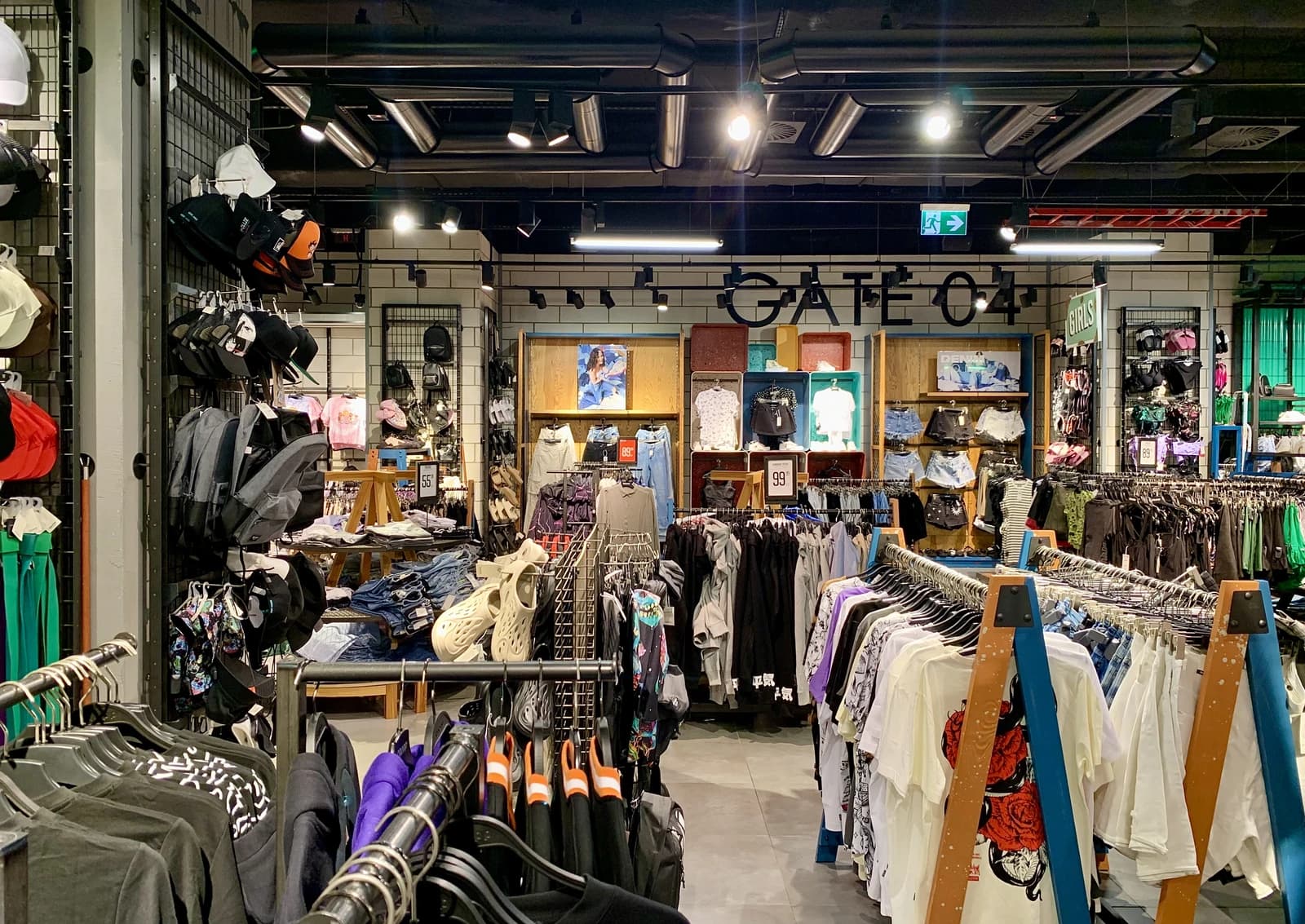
The increase matters because retail spending is one of the clearest gauges of household demand in an economy where fiscal tightening is now starting to bite. Romania’s finance minister has warned the state cannot keep making spending promises without matching funding, while public debt has climbed above 60% of GDP and the government has frozen wages and social assistance to contain the deficit. If that austerity phase deepens, retail chains could face slower volume growth even if nominal sales remain elevated.
Sentiment IndicatorsⓘProprietary · adalytica.com · August 19, 2026
This is a snapshot — live sentiment, awareness and momentum for 130+ markets update continuously in the dashboard.Open AlphaPulse
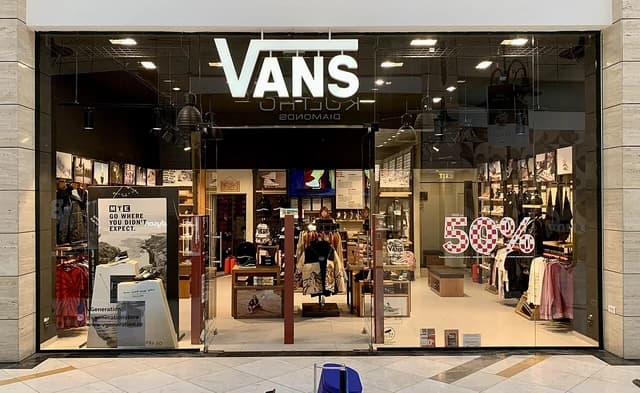
For investors, the 77% rise points to a market that has been far stronger in value terms than many income-sensitive sectors would suggest. Retailers with scale, pricing power and efficient supply chains have benefited from consumers trading up and spending more on essentials and discretionary items alike. But the next leg is less clear: if household purchasing power weakens under fiscal restraint, demand growth could shift from broad-based expansion to a fight for share, traffic and margins.
The data also fits a wider regional pattern in which large-format chains have captured a bigger share of consumer wallets as shoppers increasingly consolidate purchases and seek promotions. That has supported turnover for major food and general-merchandise retailers, even as sentiment indicators on consumer confidence remain deeply fragile and point to a household mood that is still far weaker than the sales figures alone imply.
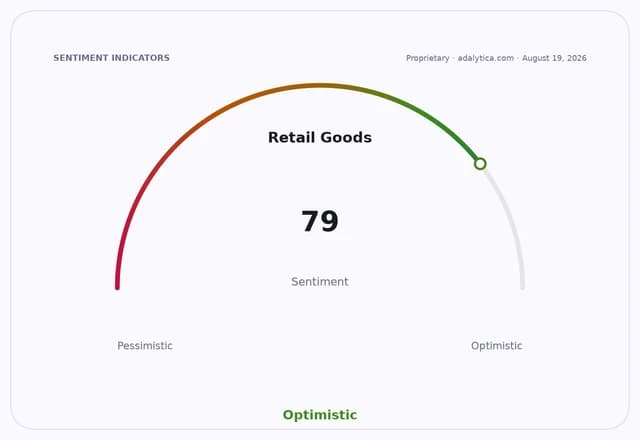
That divergence is the key narrative for Romania’s consumer sector: spending has risen sharply, but confidence has not kept pace, leaving retailers exposed to policy shocks, energy costs and any further erosion in real incomes. The question for 2026 is whether nominal growth can continue to mask softer underlying volumes.
| Entity | Gains | Losses |
|---|---|---|
| Large retail chains | ▲Higher sales | ▼Slower margin growth if demand softens |
| Consumers with stable incomes | ▲Access to more goods | ▼Higher household bills |
| Romanian government | ▲Short-term tax revenue | ▼Fiscal room for stimulus |
| Smaller retailers | ▲— | ▼Share to big-box chains |