Rosneft’s Samotlorneftegaz unit has rebuilt an environmental education center in a protected park in western Siberia, a small project on the surface that still says a lot about how the Russian oil major is trying to protect its long-term operating license in a region that matters to its core production base.
Rosneft rebuilds Siberia park education center
The upgrade matters because Rosneft is not just funding nature trails for public relations. It is investing in relationships with local authorities and communities in Khanty-Mansi Autonomous Okrug, home to the giant Samotlor field, one of Russia’s most important oil assets. In a resource-heavy region, these social and environmental commitments can help smooth permitting, reduce local friction and reinforce support for a company whose cash generation still depends on access to mature fields and infrastructure.
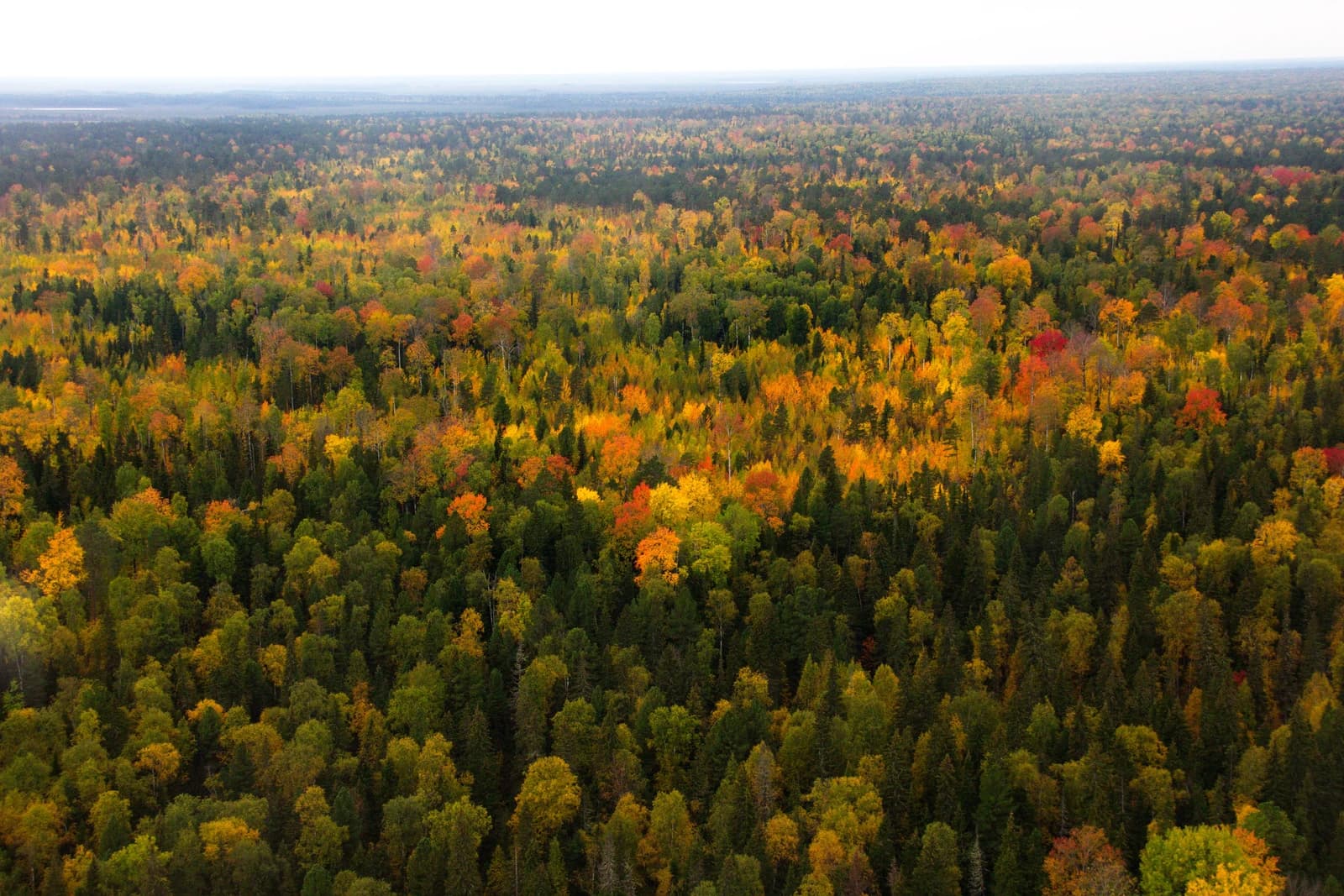
The reconstructed center, Shapshinskoye Urochishche, sits inside Samarovsky Chugas natural park and welcomes more than 8,000 visitors a year. According to the company, the project included a more than 250-meter ecological trail, new information boards, upgraded lighting and surveillance systems, fencing across more than 13,500 square meters and animal enclosures for rehabilitation work. Those are not transformational capital expenditures for Rosneft, but they are the kind of visible local investments that can matter when an energy company wants to keep its relationship with regulators, municipalities and residents on steady footing.
For investors, the story is less about immediate financial impact and more about durability. Rosneft’s production franchise still rests heavily on mature Siberian assets, and companies in that position tend to lean on community programs, environmental projects and regional partnerships to reduce execution risk. A stronger social license does not lift oil prices or output overnight, but over years it can help preserve operating continuity, which is one of the most valuable assets an upstream producer can have.
The broader backdrop is that biodiversity and conservation funding remains under pressure globally, making corporate-backed projects more important in places where public resources are limited. Rosneft has framed environmental initiatives as part of its corporate culture, and Samotlorneftegaz has also supported ecological trails and a youth environmental club in Nizhnevartovsk. That suggests a pattern rather than a one-off gesture: the company is embedding itself more deeply in the local economy and civic life around its key production region.
For long-term investors, the takeaway is straightforward: this is not the kind of announcement that changes earnings forecasts, but it does reinforce how Rosneft manages one of the less visible drivers of value in oil and gas — the stability of its operating environment. That makes the company worth watching, especially for investors who think in years rather than weeks.
| Entity | Gains | Losses |
|---|---|---|
| Rosneft / Samotlorneftegaz | ▲stronger local ties | ▼cash spent on community projects |
| Khanty-Mansi region residents | ▲better park access | ▼none material |
| Local authorities | ▲visible social investment | ▼less reliance on public funding |
| Investors | ▲lower operating friction | ▼no near-term earnings boost |