Cruise stocks are telling investors the same thing the latest industry data is: demand for cruise travel remains resilient enough to support higher pricing, even after a volatile year for the group.
Royal Caribbean revenue rises to $3.34 billion
That matters because cruises are a discretionary, capacity-constrained part of leisure travel. When bookings hold up and operators can push ticket prices higher, revenue growth can outpace broader consumer spending even if the rest of the travel market softens. It also helps explain why Royal Caribbean, Carnival and Norwegian have all been able to recover from sharp selloffs and trade with more confidence than many other consumer-facing names.
For Royal Caribbean, the strongest read-through is capacity and pricing. The company’s most recent quarterly filing showed passenger ticket revenues rising to $3.34 billion from $3.20 billion a year earlier, while passengers carried climbed to 2.40 million from 2.25 million. That combination points to healthy yield, not just fuller ships. Royal Caribbean’s shares have reflected that resilience, rebounding to about $318 at the end of July from a spring low near $262, and still trading above both the 50-day and 200-day moving averages.
Carnival shows a similar pattern, though with more volatility. Passenger ticket revenue rose 6% in its latest quarter, helped by higher ticket prices and better occupancy, while the stock has swung between the low $20s and the high $20s over recent months. The fact that Carnival shares have stabilized around their 50-day average suggests investors are still willing to pay for operating leverage if demand keeps holding and pricing remains disciplined.

Norwegian is the weakest of the three on the tape, but even there the message is not one of collapsing demand. The stock has slipped back below its 50-day and 200-day averages after a sharp rally earlier in the year, reflecting investor skepticism about margin durability and balance-sheet flexibility rather than a clear breakdown in cruise appetite. That makes Norwegian the clearest battleground name in the group: bulls see leverage to any improvement in load factors and yields, while bears see a company more exposed to swings in consumer sentiment and financing costs.
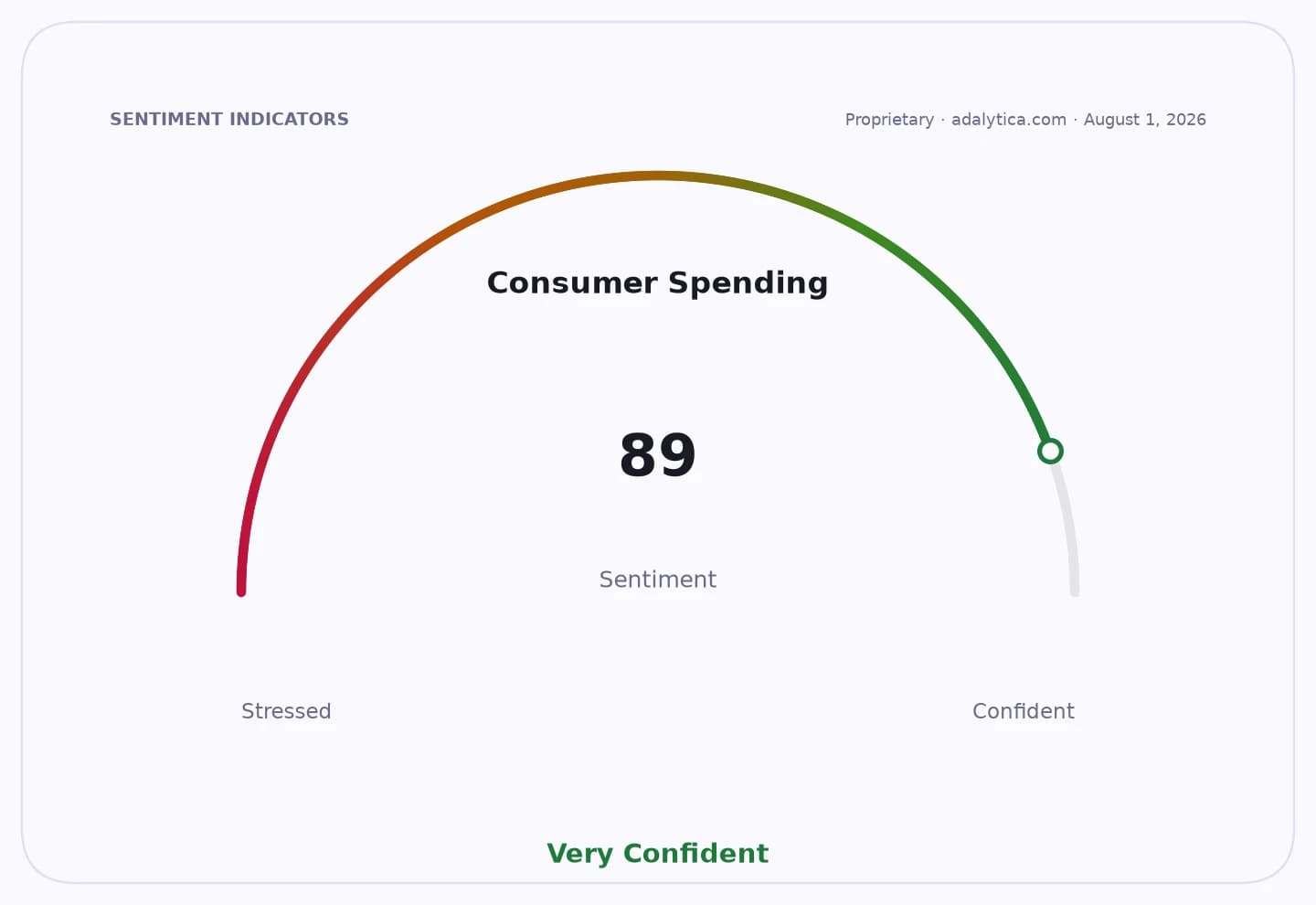
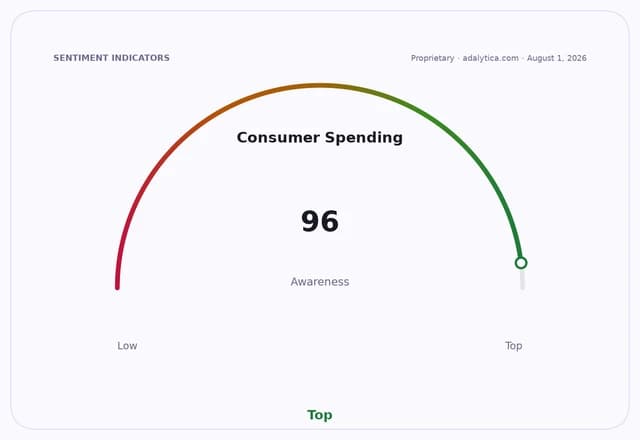
The broader backdrop remains supportive. Adalytica’s Consumer Spending Sentiment gauge is in “Extreme Greed,” indicating a still-willing consumer on discretionary travel, even as retail goods sentiment has deteriorated sharply. That split is important: households may be more cautious on goods, but they are still prioritizing experiences, and cruises remain a beneficiary of that shift. Cruise operators also continue to benefit from industry-wide consolidation and limited near-term capacity growth, which gives them more pricing power than many other travel segments.
There are risks. Cruise demand is highly sensitive to fuel prices, geopolitical disruption, FX moves and any broad pullback in consumer spending. If the consumer turns, the industry’s operating leverage can work in reverse quickly. But for now, the dominant narrative is that cruise travel is still capturing a share of discretionary spending, and the public operators are using that demand to defend margins, lift yields and reset investor expectations.
| Entity | Gains | Losses |
|---|---|---|
| Royal Caribbean | ▲Higher yields, fuller ships | ▼Discount hunters |
| Carnival | ▲Pricing power, revenue growth | ▼Short sellers |
| Norwegian Cruise Line | ▲Any load-factor recovery | ▼Bears on leverage and margins |
| Consumers | ▲More travel choices | ▼Lower fares if demand stays strong |