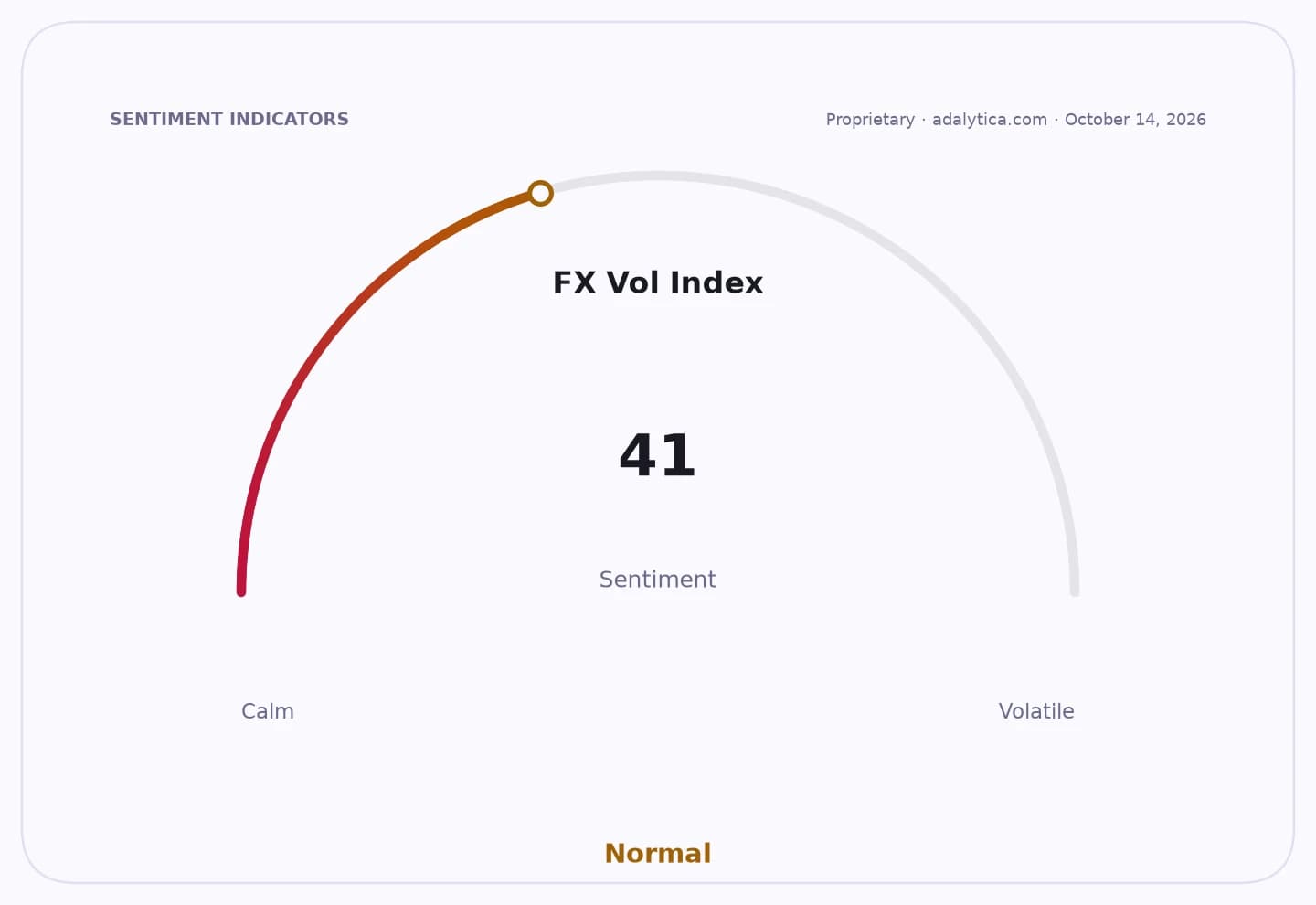
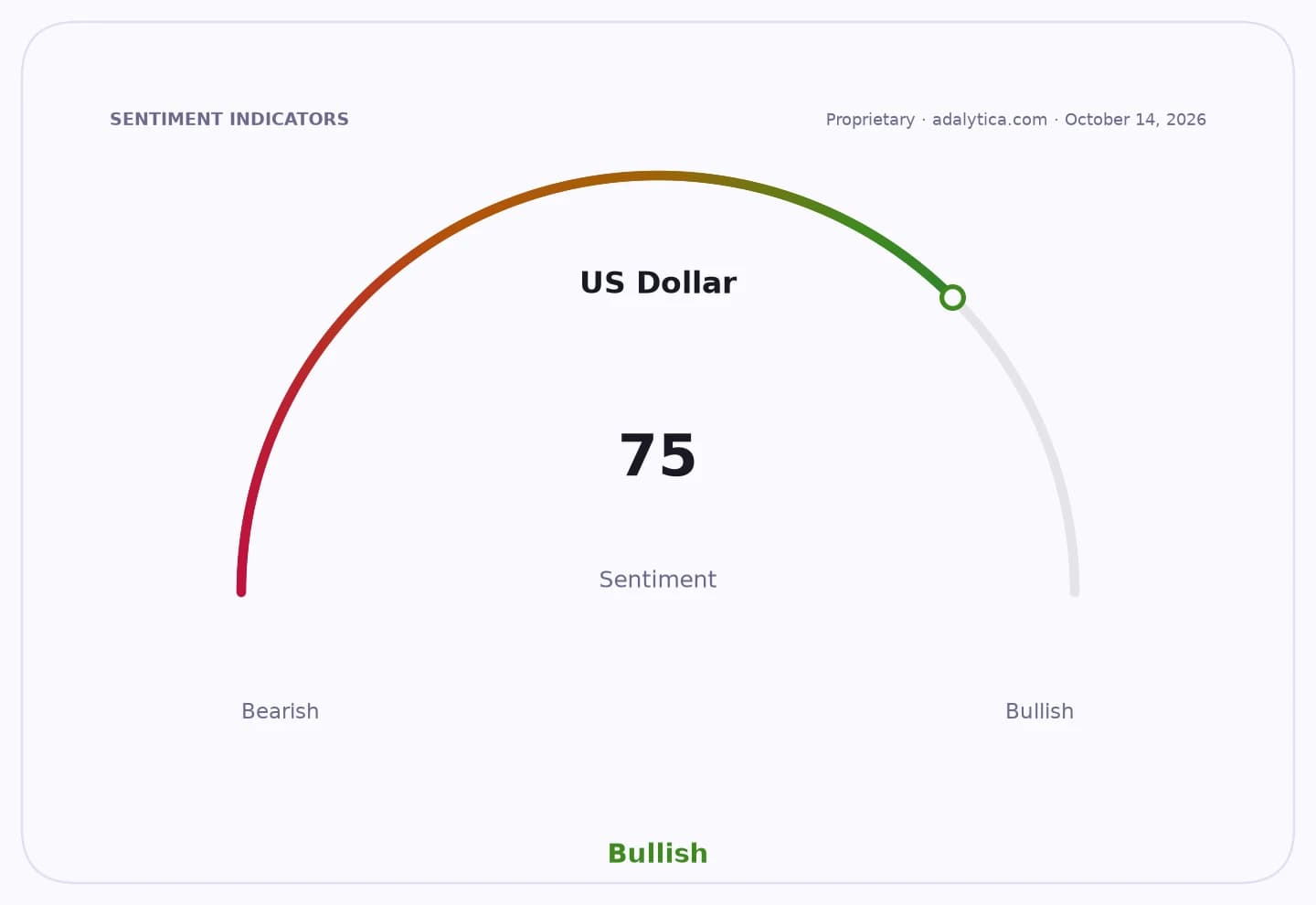
The Indonesian rupiah opened weaker again on Monday, sliding to Rp17,950 per U.S. dollar and reminding investors that this is still a currency market ruled by the greenback, not just by domestic sentiment.
Rupiah Falls to 17,950 per Dollar

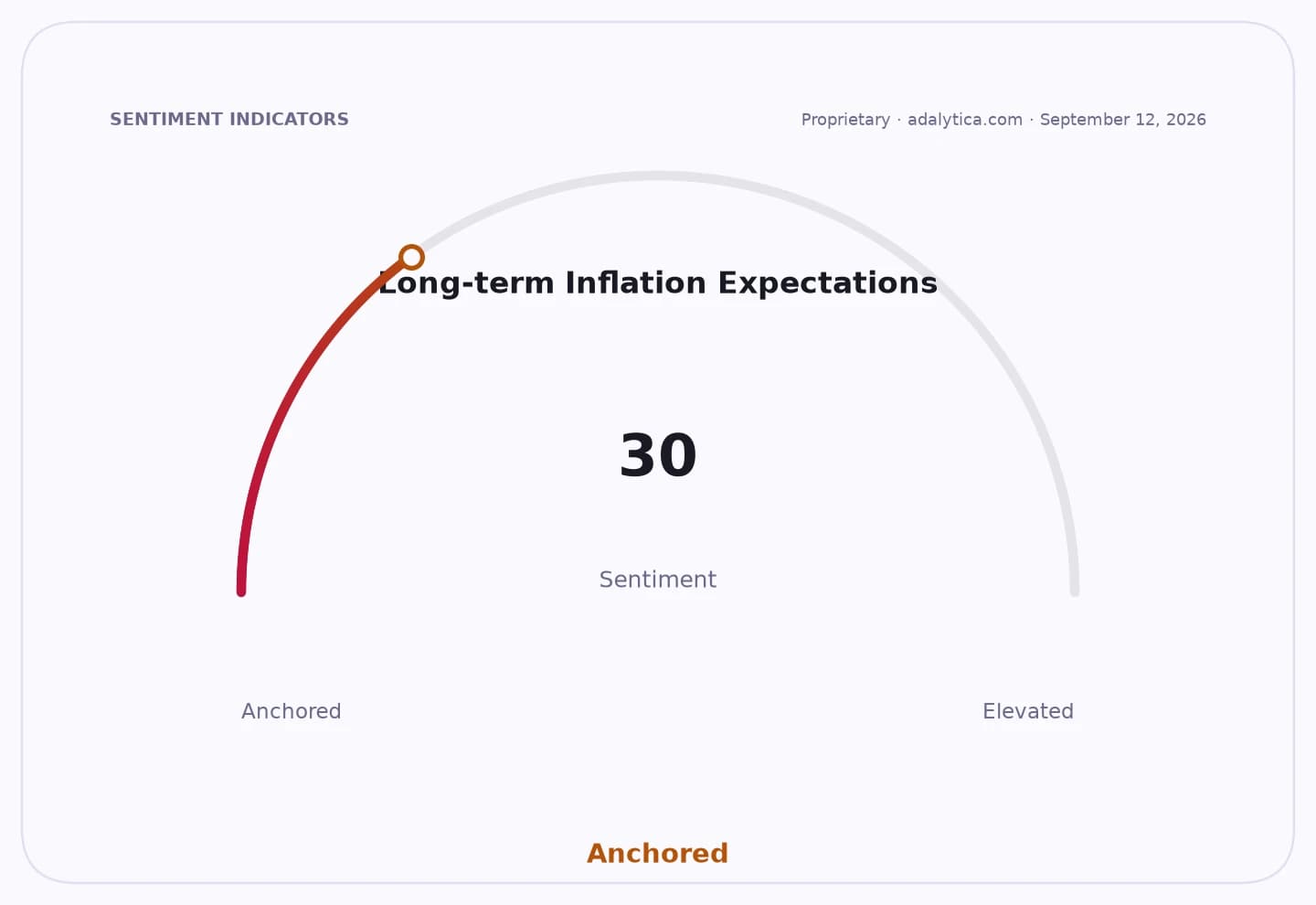
That matters because a weaker rupiah feeds directly into import costs, inflation expectations and the balance sheets of Indonesian companies with dollar liabilities. For investors, it is another warning that even when the U.S. economy cools, the dollar can still strengthen enough to pressure emerging-market currencies.
Sentiment IndicatorsⓘProprietary · adalytica.com · October 5, 2026
This is a snapshot — live sentiment, awareness and momentum for 130+ markets update continuously in the dashboard.Open AlphaPulse
The rupiah was down 0.46% from Friday’s close, extending a run of volatility that has kept traders focused on whether Indonesia can defend external stability as global conditions remain unsettled. The dollar index was up 0.10% in early trade, a modest move on paper but enough to put pressure on currencies such as the rupiah that are sensitive to swings in global risk appetite.
What makes this move especially important is the backdrop. The latest U.S. labor report showed a sharp slowdown in payroll growth in September, with nonfarm payrolls rising just 29,000 versus expectations for 90,000, while unemployment edged up to 4.2%. In theory, that should be dollar-negative because it strengthens the case for a more cautious Federal Reserve. In practice, the dollar has remained firm, a sign that traders are still treating it as the world’s preferred safe haven.
For Indonesia, that is not a trivial macro detail. A weaker rupiah can make energy, food and industrial imports more expensive, and over time it can squeeze corporate margins and household purchasing power. It also complicates Bank Indonesia’s balancing act: support growth too aggressively and the currency can come under more stress; lean too hard into stability and domestic demand can soften.
This is where long-term investors should keep perspective. Currency moves like this do not define the investment case for Indonesia on their own, but they do affect the near-term earnings outlook for import-heavy businesses, airlines, retailers and firms with dollar debt. Exporters and companies earning foreign revenue usually fare better when the rupiah weakens, while consumers and importers tend to lose out.
Markets will now watch Indonesia’s foreign reserve data and consumer confidence reading later this week for clues on how much room policymakers have to absorb external shocks. Traders are also waiting for U.S. services data and the latest FOMC minutes, both of which could reset rate-cut expectations and move the dollar again.
For investors with a multi-year horizon, the right lesson is not to chase every tick in the exchange rate, but to favor businesses with pricing power, low foreign-currency exposure and resilient cash flow. The rupiah may stay under pressure in the near term, so this is a good time to stay selective, diversified and patient.
| Entity | Gains | Losses |
|---|---|---|
| U.S. dollar | ▲Safe-haven demand | ▼Emerging-market currencies |
| Indonesian exporters | ▲Better rupiah conversion | ▼Import-dependent firms |
| Bank Indonesia | ▲More reason to stay vigilant | ▼Policy flexibility |
| Indonesian importers | ▲— | ▼Higher input costs |