The rupiah slipped at the open on Thursday to Rp18,225 per dollar, as markets priced in a more hawkish Federal Reserve and kept the Indonesian currency under pressure despite Bank Indonesia’s attempts to defend stability.
Rupiah slips to Rp18,225 as Fed hawkishness weighs
That move matters because the rupiah is now trading in a macro environment dominated by “higher for longer” U.S. rates, a stronger dollar and fragile global risk appetite. When the Fed stays restrictive, capital tends to favor dollar assets over emerging-market currencies, making it harder for the rupiah to stage a sustained rebound even when domestic fundamentals are relatively stable.
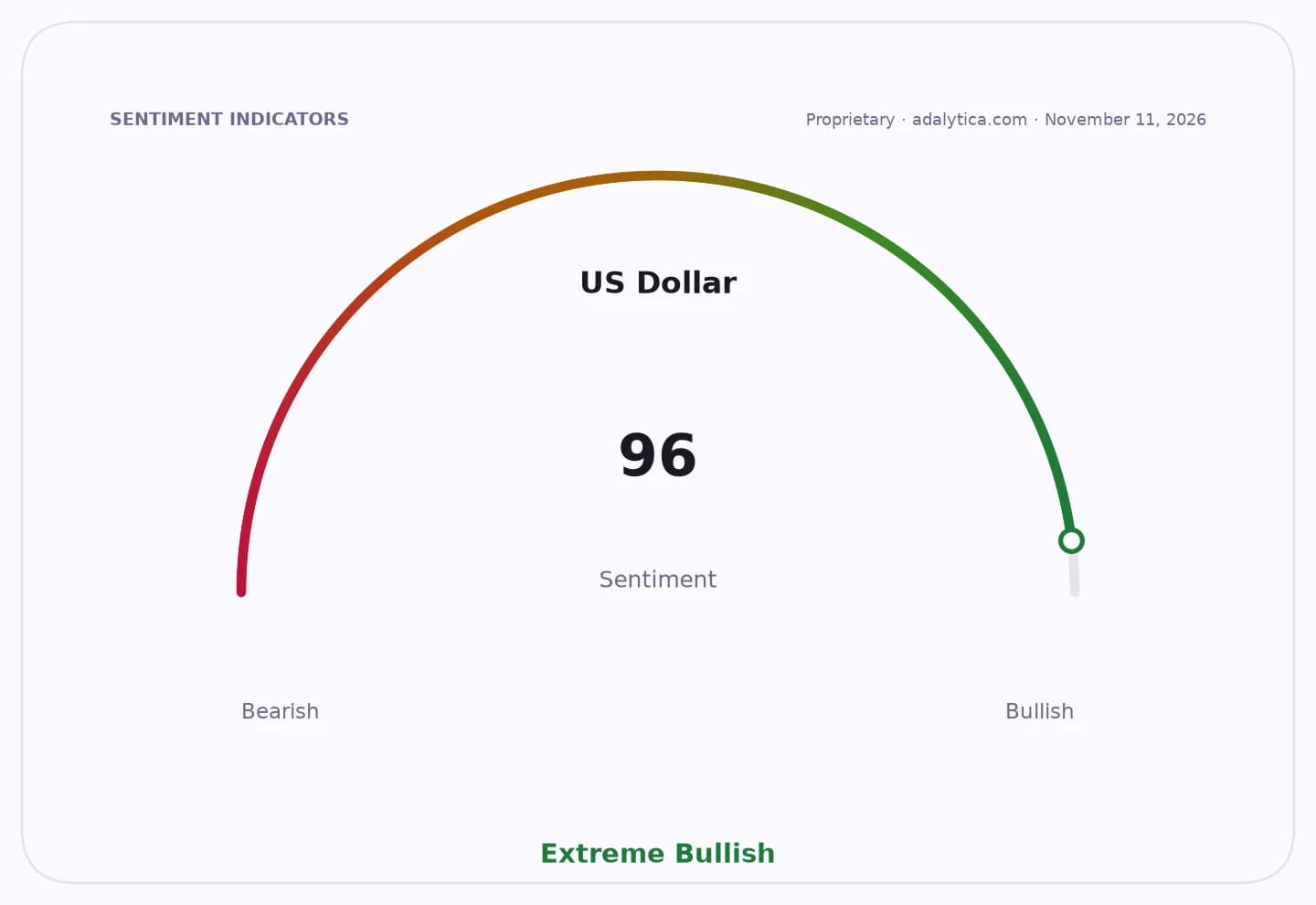
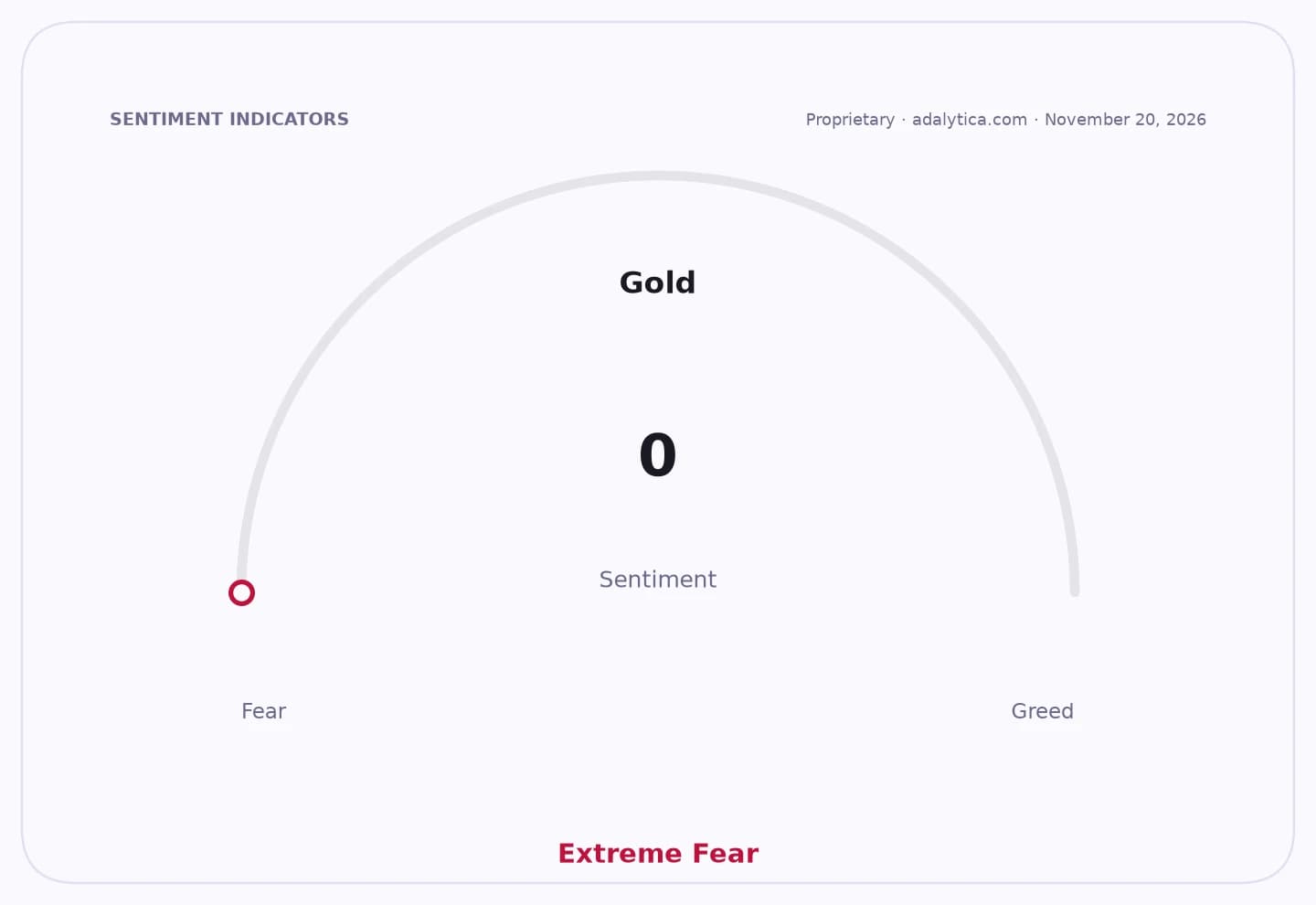
Sentiment Indicators
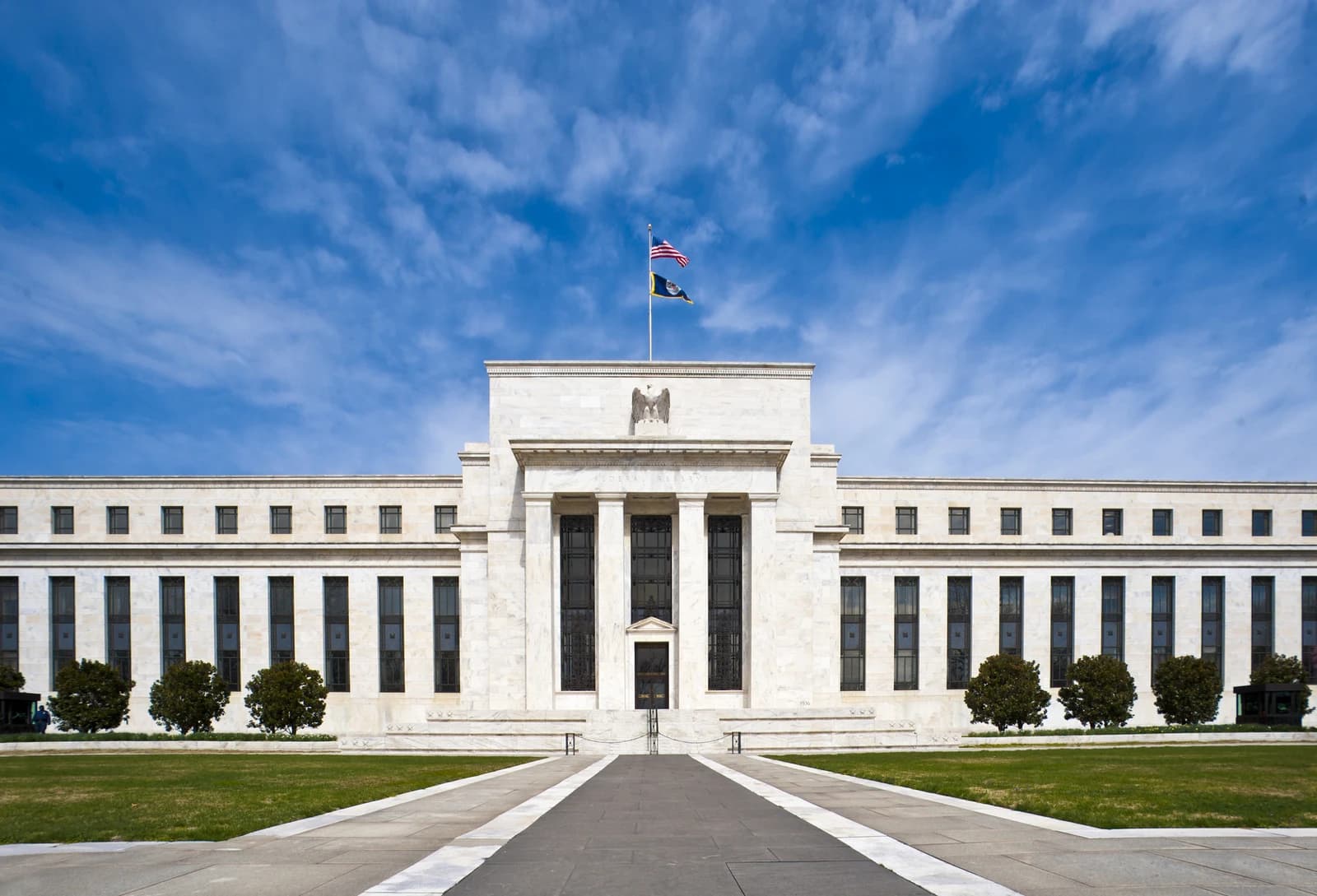
The currency weakened 0.03% from Wednesday’s close of Rp18,220, according to Refinitiv, after the dollar index touched a fresh 19-month high earlier this week. The greenback was only fractionally lower in Asian trade, but the bigger force is the expectation that the Fed may still deliver another 25-basis-point increase at its December 8-9 meeting after minutes showed nearly all officials saw further tightening as warranted if the economy evolves as projected.
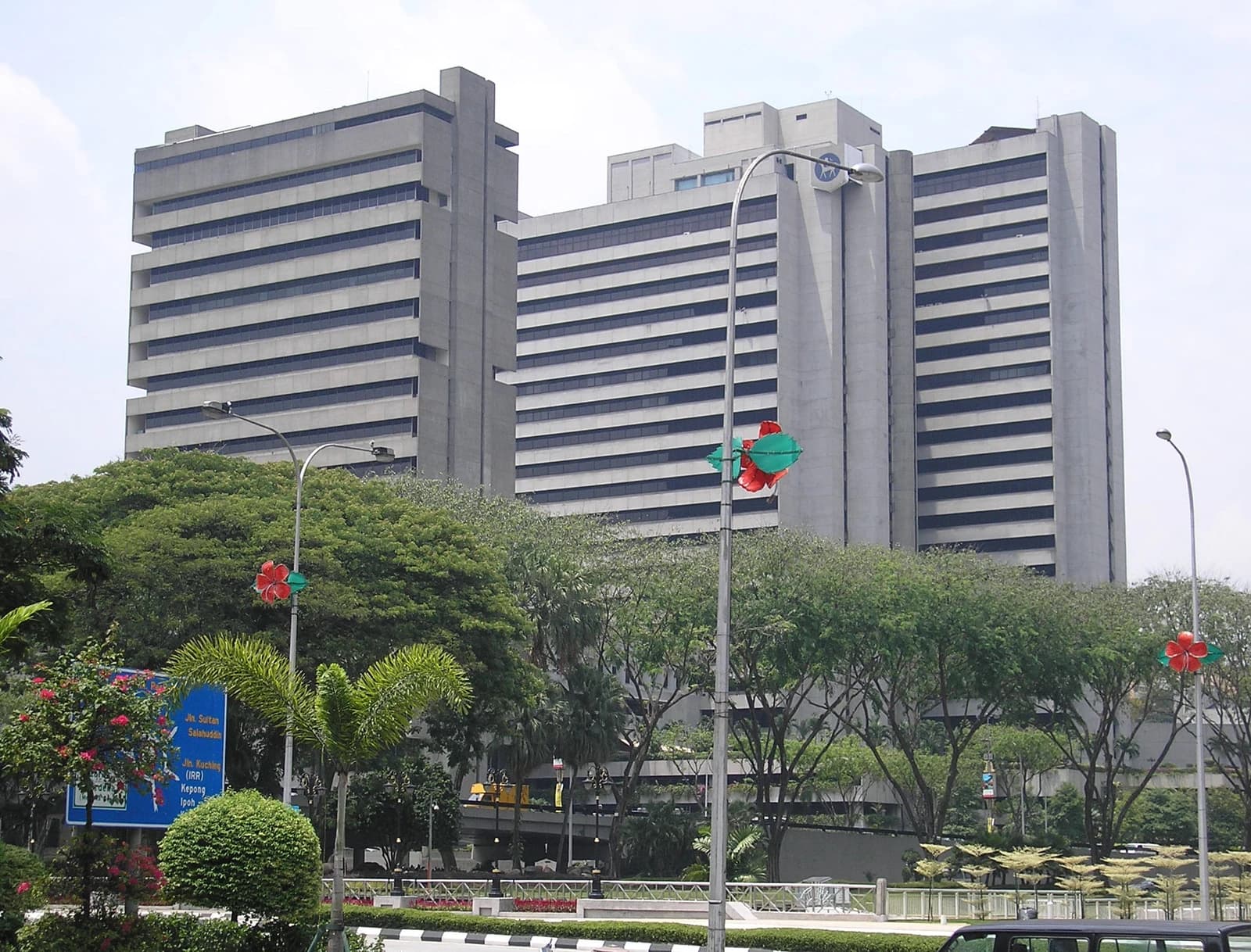
For investors, that combination keeps Indonesian assets in a delicate spot. A softer rupiah can tighten financial conditions, complicate inflation management and force Bank Indonesia to remain more assertive on rates than it would like. That is exactly why Deputy Governor Senior Aida S. Budiman said the central bank must keep the exchange rate “well defended” with a bolder but measured BI Rate stance as it faces geopolitical tensions, AI-led equity valuation swings and sticky U.S. inflation.
The market message is straightforward: the rupiah is not breaking down in a crisis, but it is still vulnerable to every uptick in U.S. yields and dollar strength. That makes the next Fed decision a key catalyst for Indonesian bonds, equities and the currency itself. If the dollar extends its rally, Bank Indonesia may have to lean harder on rates and intervention; if the Fed pauses, the rupiah could finally get room to recover.
For now, the investable edge remains with dollar beneficiaries and with Indonesian sectors best able to absorb a firmer currency and tighter policy. The market underestimates how long this pressure can last, and that is exactly why FX discipline, not optimism, should guide positioning here.
| Entity | Gains | Losses |
|---|---|---|
| US dollar | ▲Stronger carry appeal | ▼None in this setup |
| Indonesian importers | ▲Softer input-price shock relief | ▼Higher hedging costs |
| Bank Indonesia | ▲Policy credibility if it stays ahead of FX pressure | ▼Room to ease policy |
| Indonesian exporters | ▲Better local-currency revenue translation | ▼Margin pressure from stronger dollar demand cycles |