States are using the federal government’s new $50 billion rural health program to do something unusual in public health: take equity stakes in early-stage startups and fast-track technology bets in areas long starved of doctors, hospitals and investment.
Rural Health Program Funds Startup Equity Stakes

That matters because the money is not just meant to patch rural health budgets after Washington’s latest Medicaid cuts. It is being deployed as venture capital-like seed funding to try to rebuild the delivery system itself, with states racing to back companies that can improve access, scheduling, transportation, chronic-care management and claims-based care coordination.
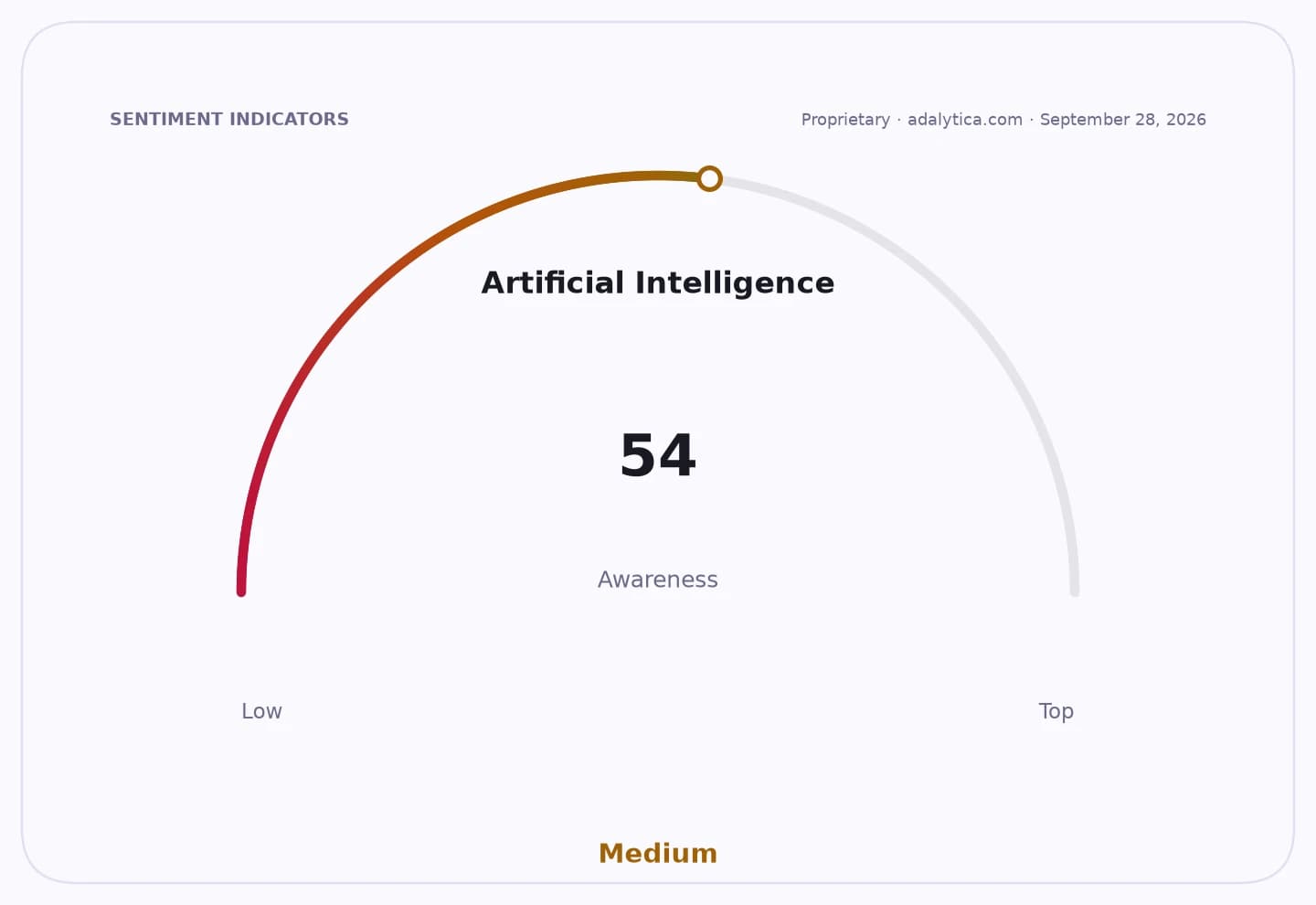
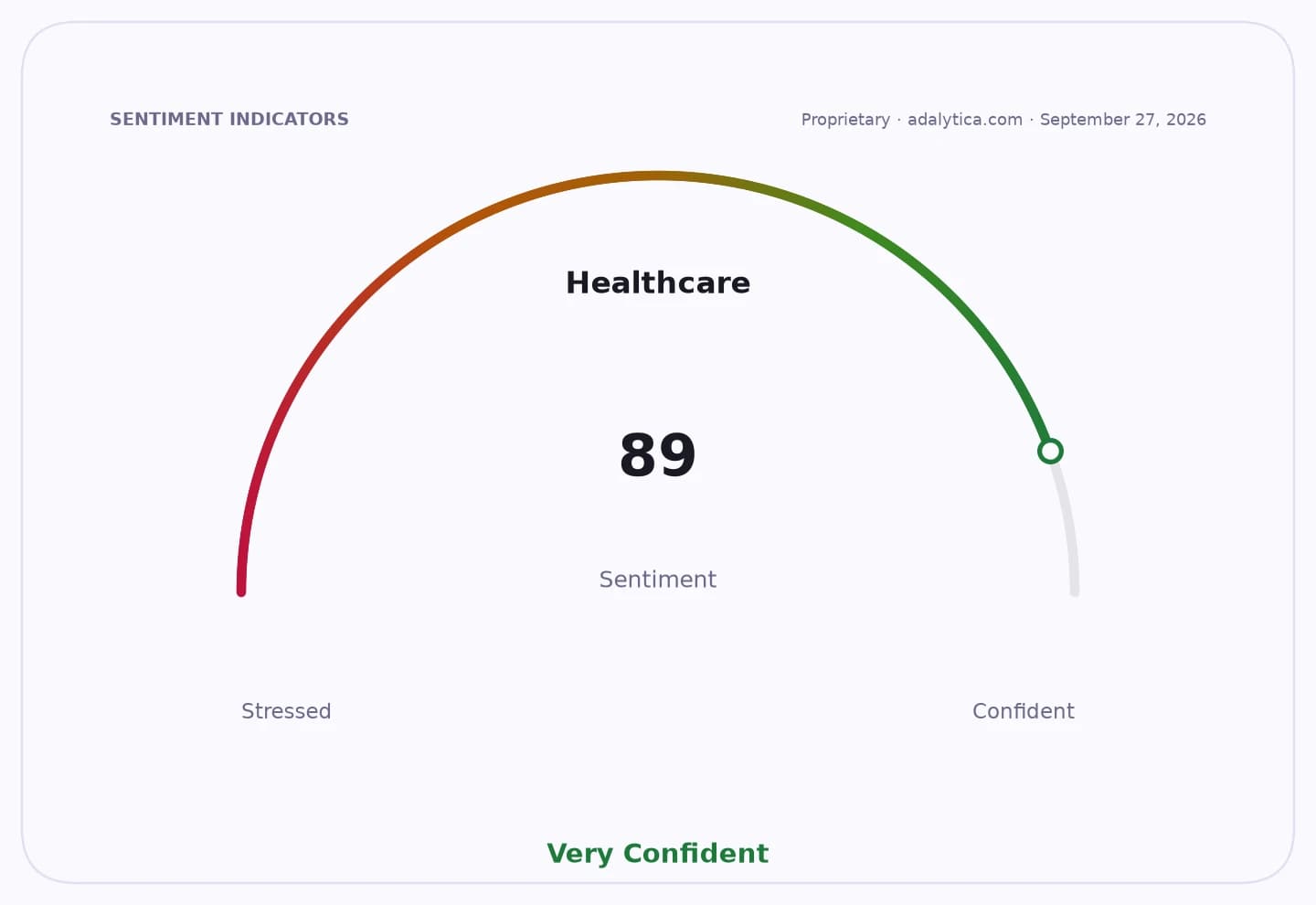
Sentiment IndicatorsⓘProprietary · adalytica.com · September 29, 2026
This is a snapshot — live sentiment, awareness and momentum for 130+ markets update continuously in the dashboard.Open AlphaPulse
Louisiana is the clearest example of the new model. The state set aside $20 million a year for five years for startup rural health companies and drew more than 200 applicants for grants and equity checks ranging from $250,000 to $3 million. Other states, including Delaware, Georgia, Massachusetts, Nebraska, South Carolina, Virginia and West Virginia, are also creating catalyst funds under the federal Rural Health Transformation Program, according to the Centers for Medicare & Medicaid Services.
The program was created alongside more than $900 billion in Medicaid spending cuts expected over 10 years under Republicans’ 2025 tax and spending law, but the rural fund has a different mandate: modernize care in places where hospitals have been closing and clinicians are scarce. Federal awards for the first year range from $147 million in New Jersey to $281 million in Texas, and states must show they have obligated those funds by Oct. 30. CMS can claw back money from states that fail to meet promised targets.
That structure gives the program outsized economic significance. Rural health is a large, chronically underinvested market, and the federal design is explicitly pushing states to accelerate procurement and experimentation rather than wait for traditional hospital-system adoption cycles. The approach is also a test of whether public money can crowd in private-style innovation without the discipline of a venture market.
For investors, that creates a new source of demand for healthcare technology startups that can survive on relatively small checks and prove measurable results quickly. Companies such as Greens Health, which analyzes Medicare claims to identify patients with chronic disease and connect them to local nurses and senior facilities, and Caret Health, which uses software to identify patients who need help getting to appointments or picking up prescriptions, fit the model. Both are the kind of early-stage, operationally focused businesses that may struggle to break into large health systems but can move quickly in rural markets with less existing infrastructure.
The upside for states is equally clear. Louisiana’s innovation office says it will take an equity stake in each company it backs and eventually recycle gains into health outcomes. If a few investments succeed, the state could create a self-reinforcing pool of capital for rural care. If they fail, the program is designed to tolerate some losses in the name of faster iteration.
But the model carries execution risk. CMS has capped catalyst spending at 10% of each state award, requires finalists to be shared with regulators before announcements and has not yet publicly posted state progress reports. Advocates say the lack of transparency raises questions about patient protections, data rights and whether early enthusiasm will translate into durable improvements.
The broader narrative is that rural healthcare is becoming a policy laboratory for Silicon Valley-style public investing. States are betting that the same kind of speed, risk-taking and narrow focus on scalable software that built private tech winners can be adapted to a sector defined by shortages, distance and poor health outcomes. For investors, the key question is whether this becomes a repeatable funding channel for rural health tech or a one-off burst of government-backed experimentation tied to a single federal program.
| Entity | Gains | Losses |
|---|---|---|
| Rural health startups | ▲Fresh state capital | ▼Longer procurement cycles |
| Louisiana and peer states | ▲New tools, equity upside | ▼Execution and clawback risk |
| Rural hospitals and patients | ▲Faster access to services | ▼Privacy and rollout uncertainty |
| Incumbent providers | ▲New partnership opportunities | ▼Pressure to modernize quickly |