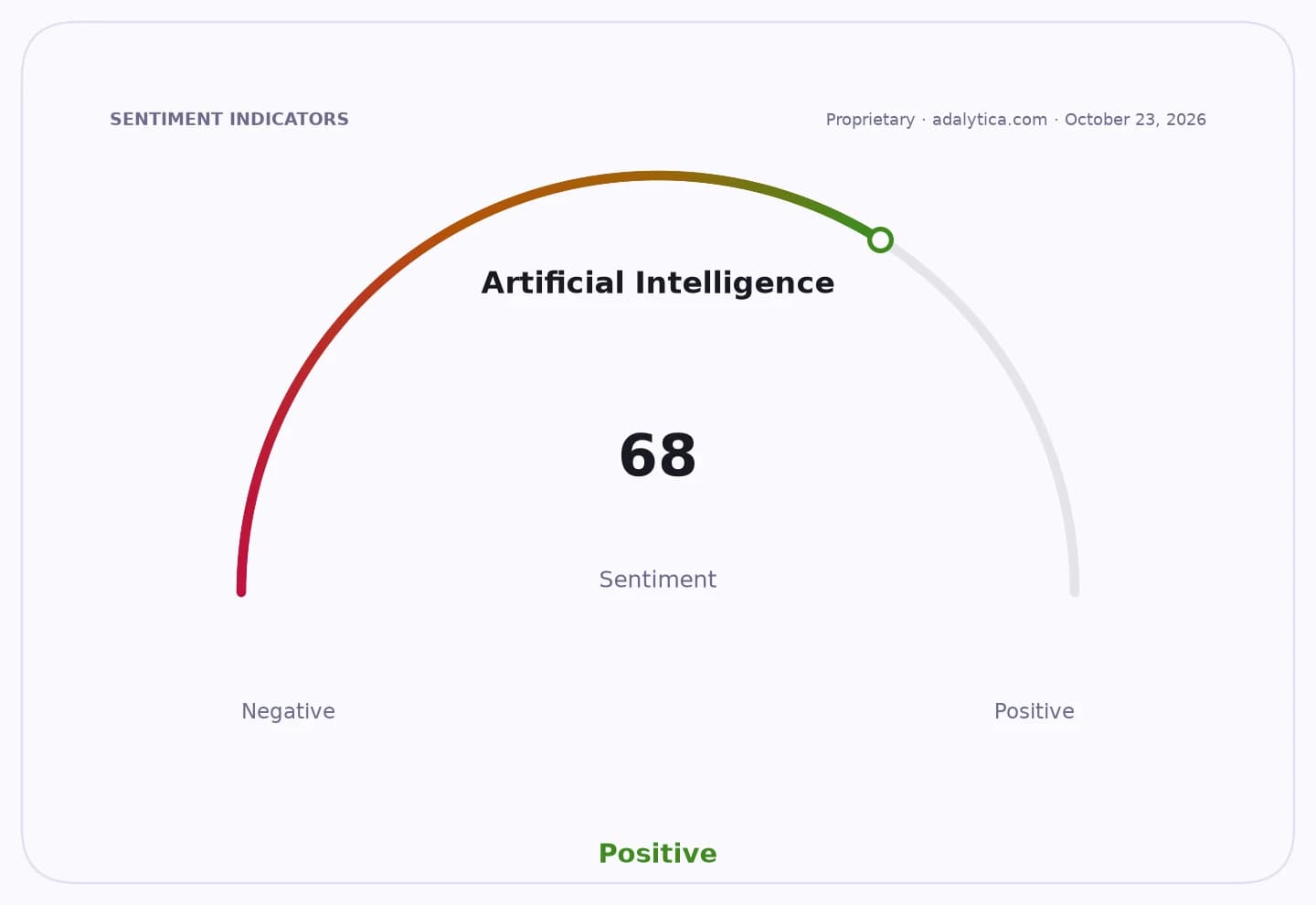
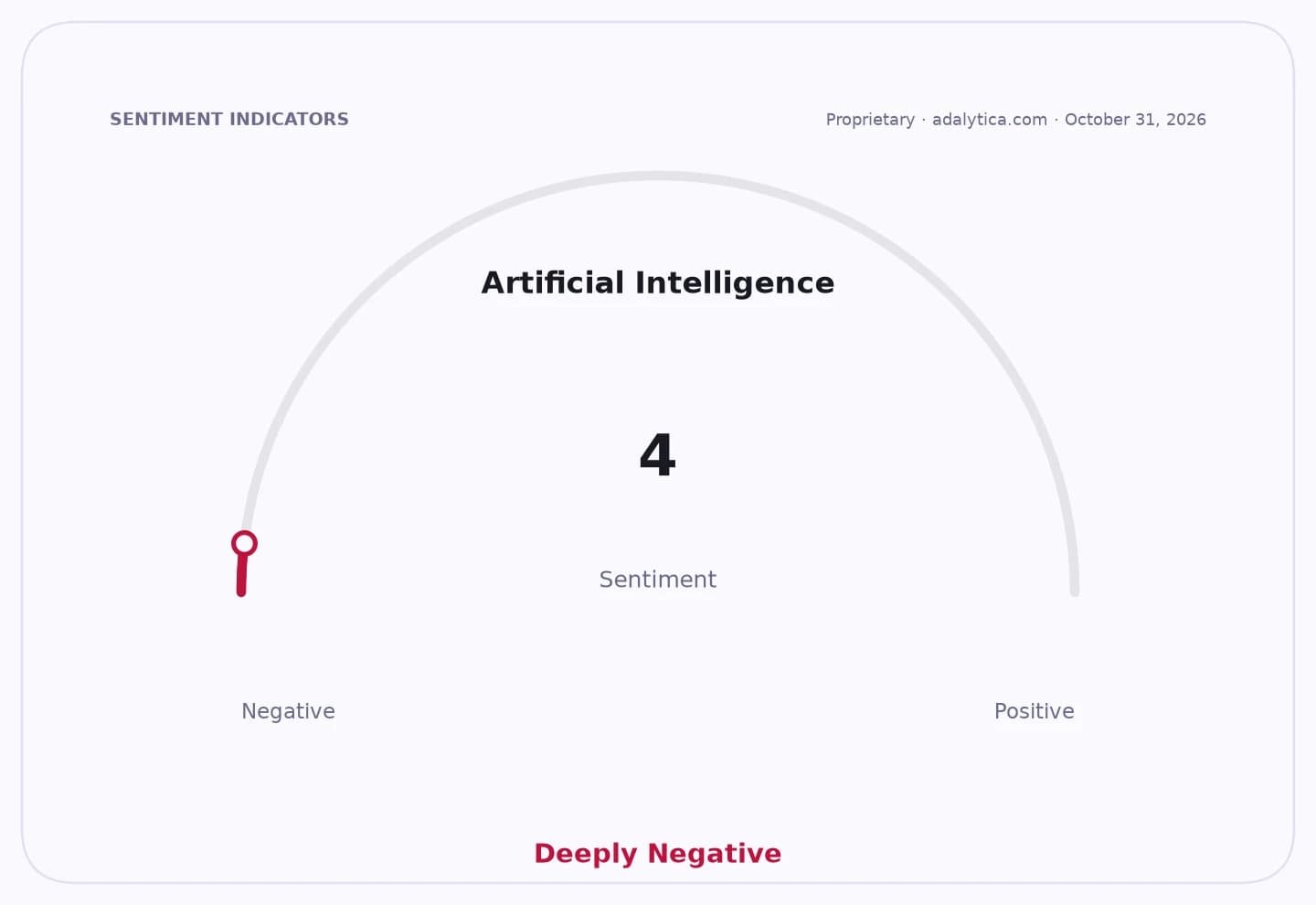
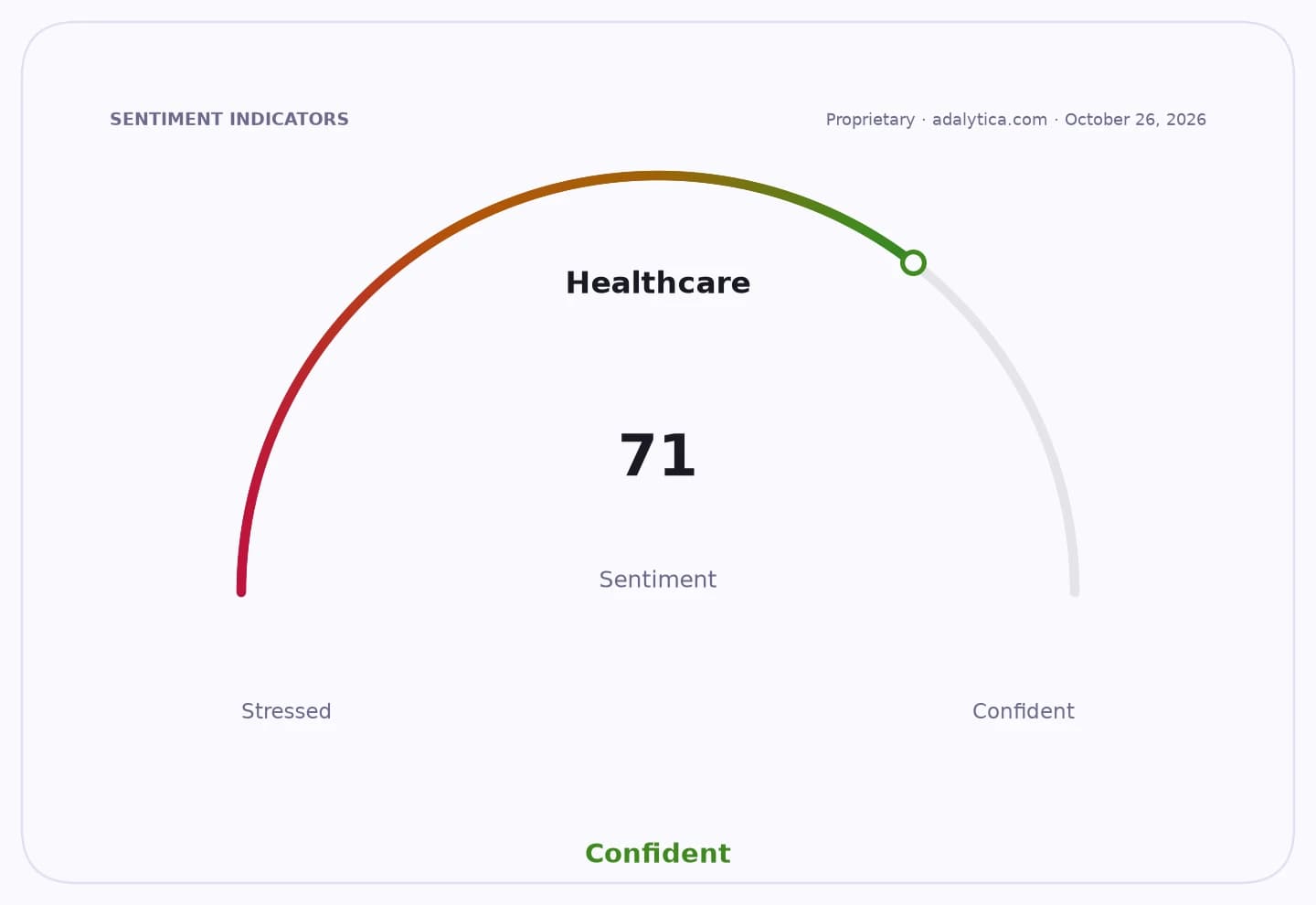
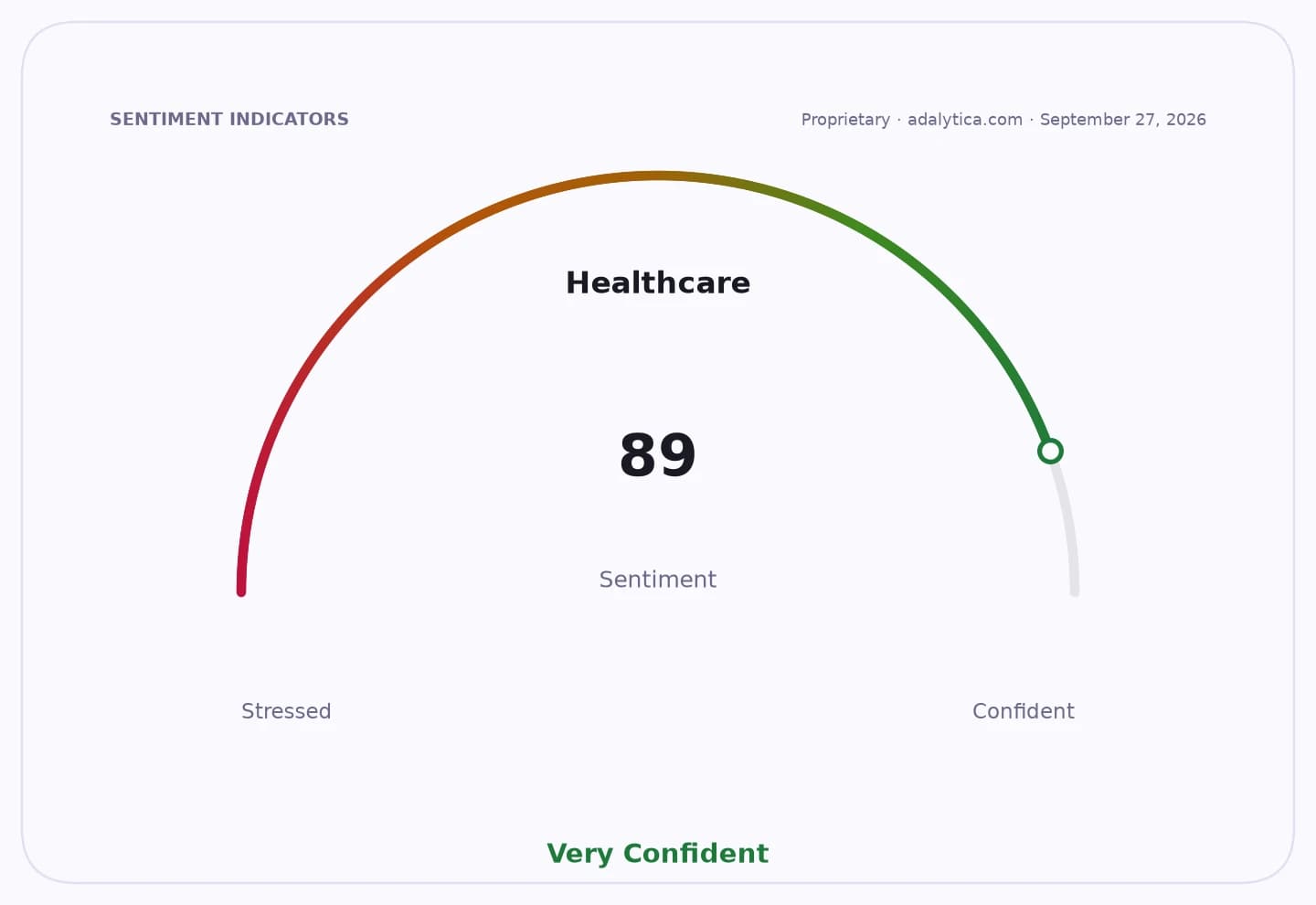
Russia is pushing to expand the use of artificial intelligence in medicine, a move that matters because healthcare is becoming one of the clearest real-world tests of whether AI can save money, speed diagnosis and improve outcomes at scale.
Russia expands AI use in medicine
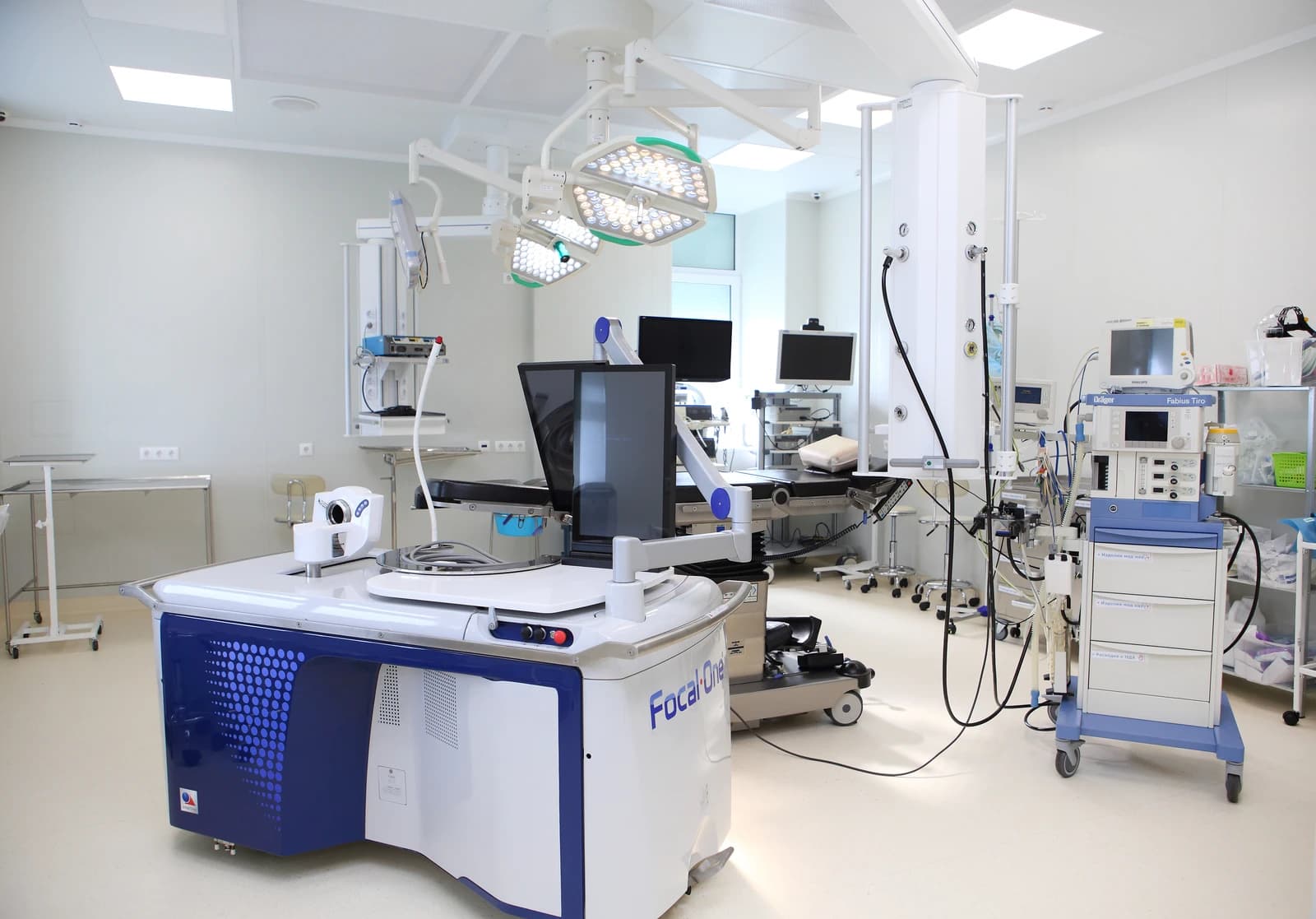
The order from President Vladimir Putin underscores how quickly AI has moved from a laboratory promise to a national policy priority. In medicine, the payoff can be enormous: better triage, faster detection of disease, more personalized treatment and lower strain on overworked health systems. For governments, that means potentially higher productivity in a sector that absorbs a growing share of national budgets. For investors, it reinforces a long-term theme that spans software, cloud infrastructure, semiconductors, healthcare IT and medical-device companies building the tools that make AI useful in practice.
That broader shift is already visible outside Russia. Baby Memorial Hospital Group recently partnered with DeepInfinity.AI to bring one of India’s first integrated AI systems into healthcare, while U.S. universities and health-tech firms are developing models designed to predict and prevent medical problems before they become expensive emergencies. Microsoft has also been working on AI tools that, in some cases, have reportedly outperformed doctors on difficult diagnoses. Those examples point to the same economic truth: the value of AI in medicine is not just clinical, it is operational. Systems that catch illness earlier and personalize care can reduce unnecessary procedures, improve bed utilization and cut costs across hospitals and insurers.
The investment case is attractive, but not risk-free. AI in medicine still depends on human oversight, clinical validation and regulatory trust. Errors can be costly, and the temptation to over-automate care could backfire if hospitals treat algorithms as substitutes rather than decision-support tools. That is why the winners are likely to be the companies that embed AI into existing workflows instead of trying to replace doctors outright.
For long-term investors, this is another reminder that AI’s biggest opportunities may not always come from chatbots or consumer apps. Healthcare is one of the most durable secular markets in the world, and AI could make it more efficient, more data-driven and more profitable over time. That makes the theme worth watching closely, especially for investors willing to think in years rather than weeks.
| Entity | Gains | Losses |
|---|---|---|
| Russian healthcare system | ▲Faster diagnosis, lower costs | ▼Legacy workflows |
| AI healthcare developers | ▲New contracts and adoption | ▼Vendors lacking clinical proof |
| Patients | ▲Earlier detection, better care | ▼Risk from misused algorithms |
| Traditional care models | ▲— | ▼Greater pressure to modernize |