Russia is signaling it wants the Arctic Council back to full activity, a move that could ease one of the region’s most visible diplomatic freezes just as the Arctic becomes more important for energy, shipping and security.
Russia Wants Arctic Council Back to Full Activity
For investors, that matters because the Arctic is no longer a remote policy talking point. It is a strategic corridor for oil and gas, mining, infrastructure and, over time, trade routes that could shorten global shipping distances as ice retreats. Any sign of cooperation among Arctic states can influence project timelines, permitting, sanctions risk and capital spending decisions for companies with exposure to the region.
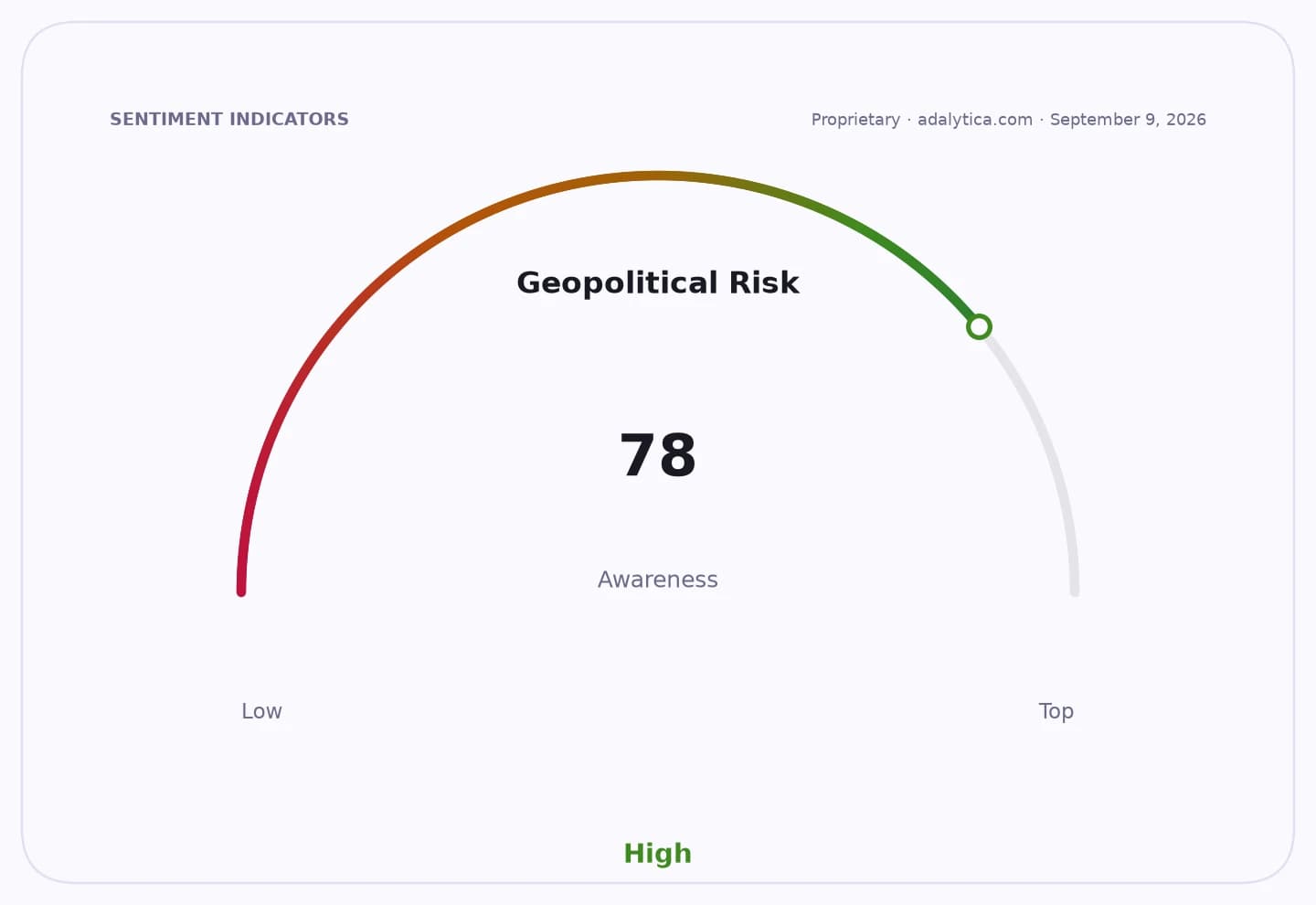
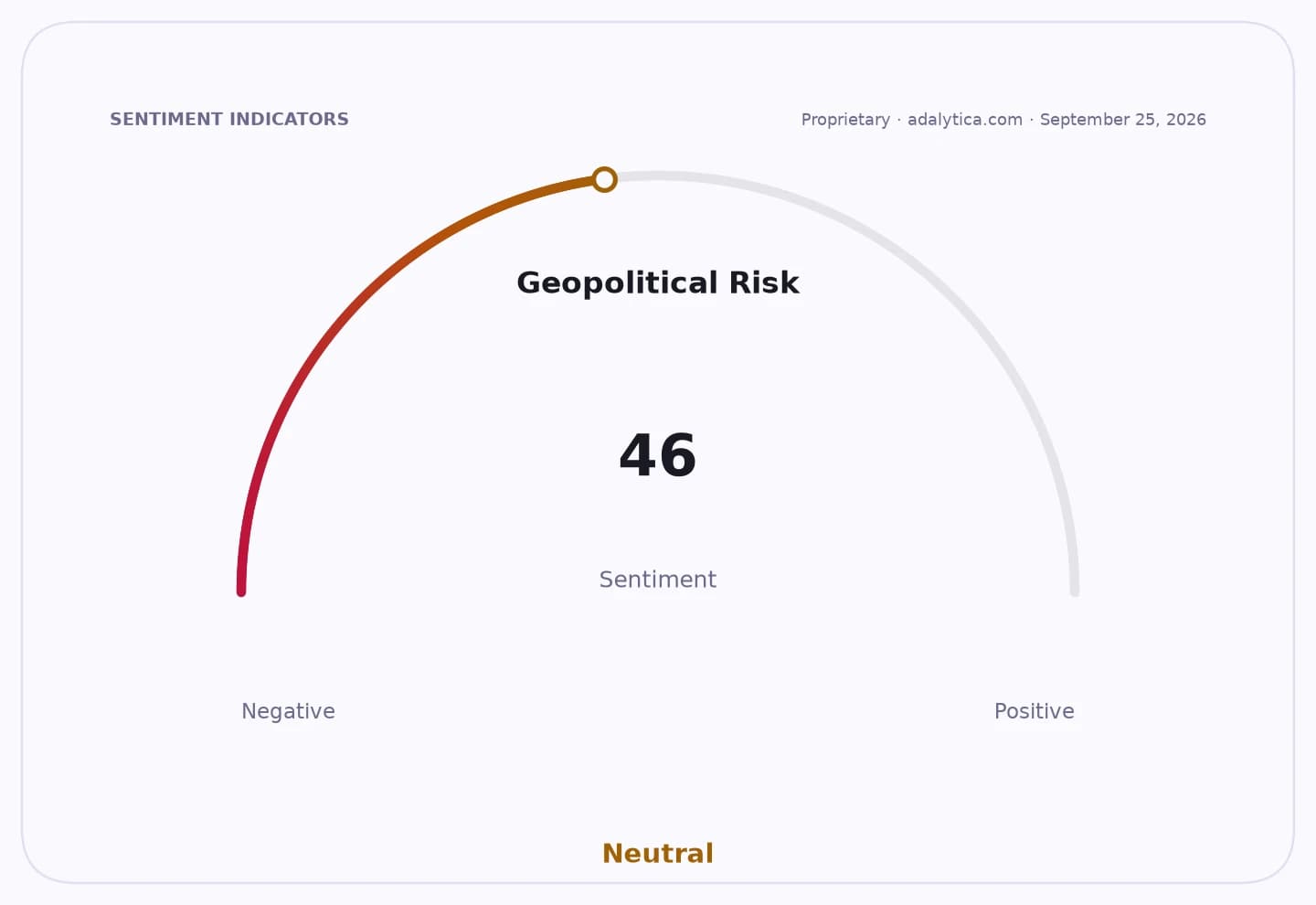
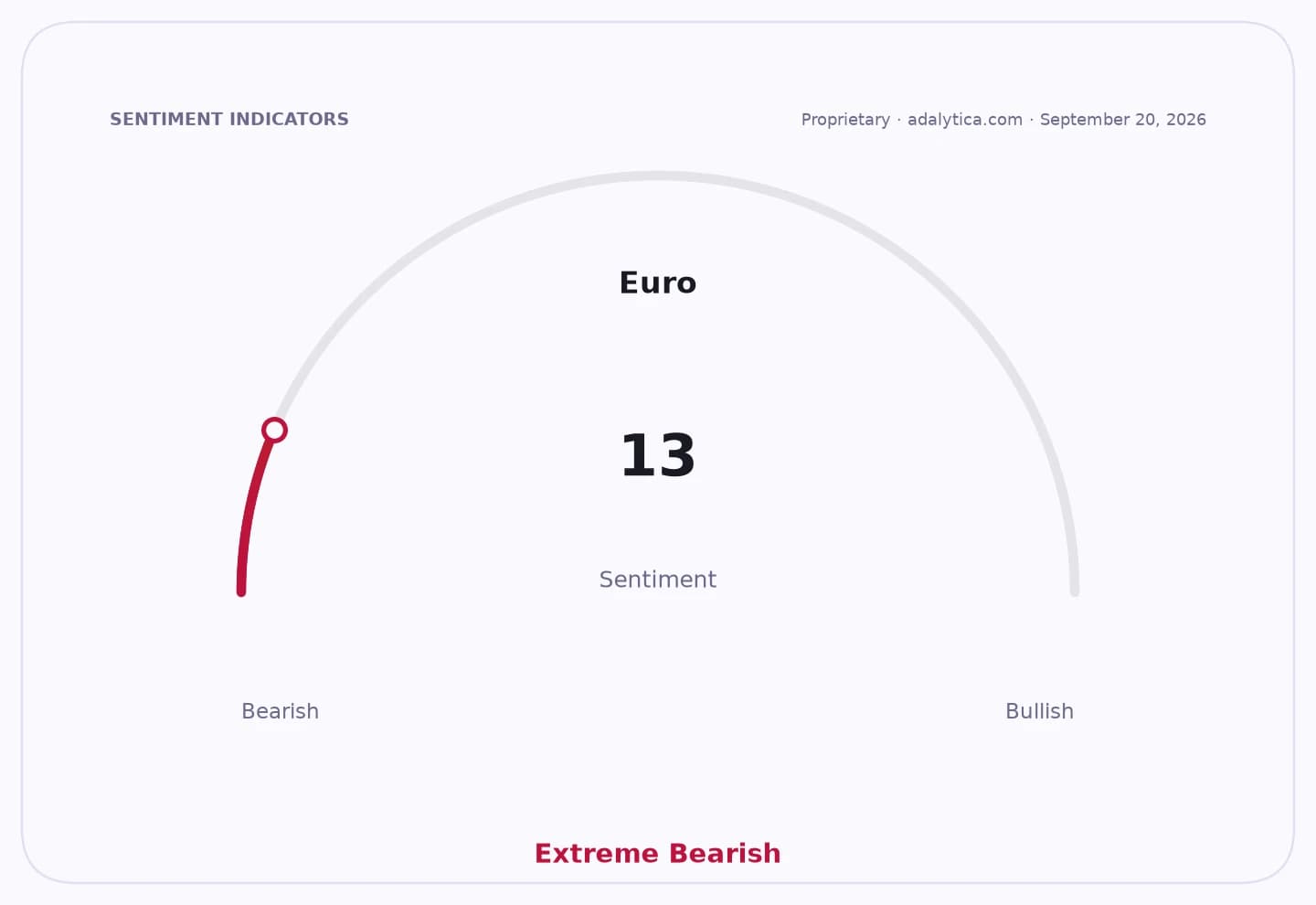
Sentiment IndicatorsⓘProprietary · adalytica.com · August 31, 2026
This is a snapshot — live sentiment, awareness and momentum for 130+ markets update continuously in the dashboard.Open AlphaPulse
Lavrov’s comment lands against a backdrop of sharper geopolitical rivalry, with Arctic governments balancing resource development against environmental pressure and national sovereignty. Norway, for example, has resisted calls to curb Arctic gas production, underscoring how central the region remains to Europe’s energy mix. Iceland has also pushed back against closer European Union alignment, a reminder that Arctic states are not speaking with one voice even as outside powers pay more attention.
The stakes are wider than diplomacy. The Arctic is warming faster than most parts of the planet, and melting ice is opening access to fields and routes that were once difficult or uneconomic to develop. That creates opportunity for producers, but it also raises the risk of heavier regulation, higher insurance costs and more politically sensitive investment decisions.
Energy majors with Arctic exposure, including Exxon Mobil and ConocoPhillips, have to think in that context. Their shares have also reflected the market’s appetite for energy assets this year, but the longer-term question is whether the region becomes a steadier source of supply or another arena where politics slows returns. Conventional technical indicators still show both stocks above their 200-day moving averages, a sign of underlying strength, but geopolitics remains a bigger driver than chart patterns in this story.
The bottom line for long-term investors is that a restored Arctic Council process would not erase the rivalry in the far north, but it could reduce some of the friction around one of the world’s most strategic resource frontiers. That makes the issue worth watching, especially for energy, shipping and infrastructure investors with a multiyear horizon.
| Entity | Gains | Losses |
|---|---|---|
| Russia | ▲diplomatic leverage | ▼isolation from talks |
| Arctic Council members | ▲dialogue channel | ▼policy deadlock |
| Energy producers | ▲clearer Arctic access | ▼delay and uncertainty |
| Environmental advocates | ▲tougher scrutiny | ▼faster drilling push |