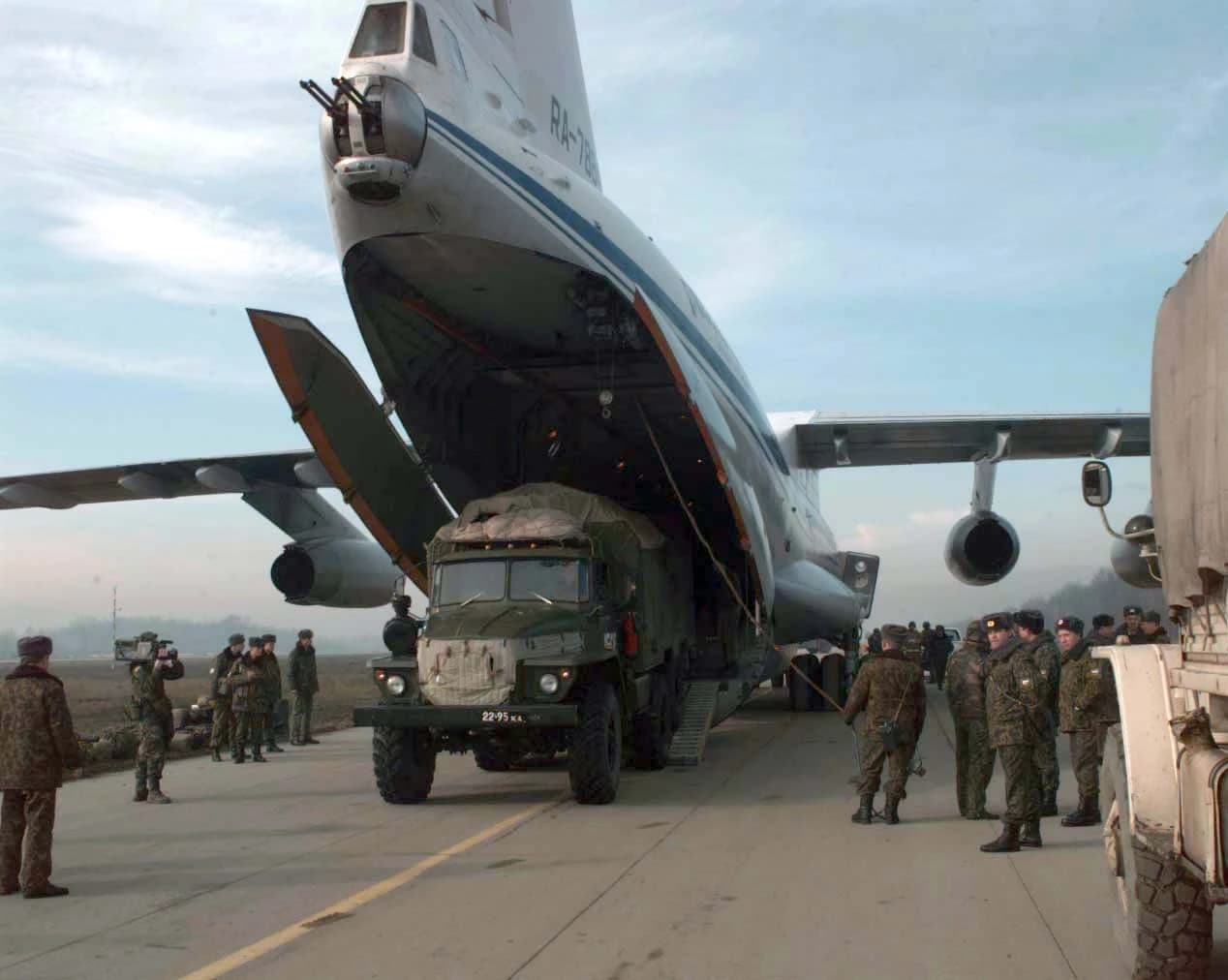
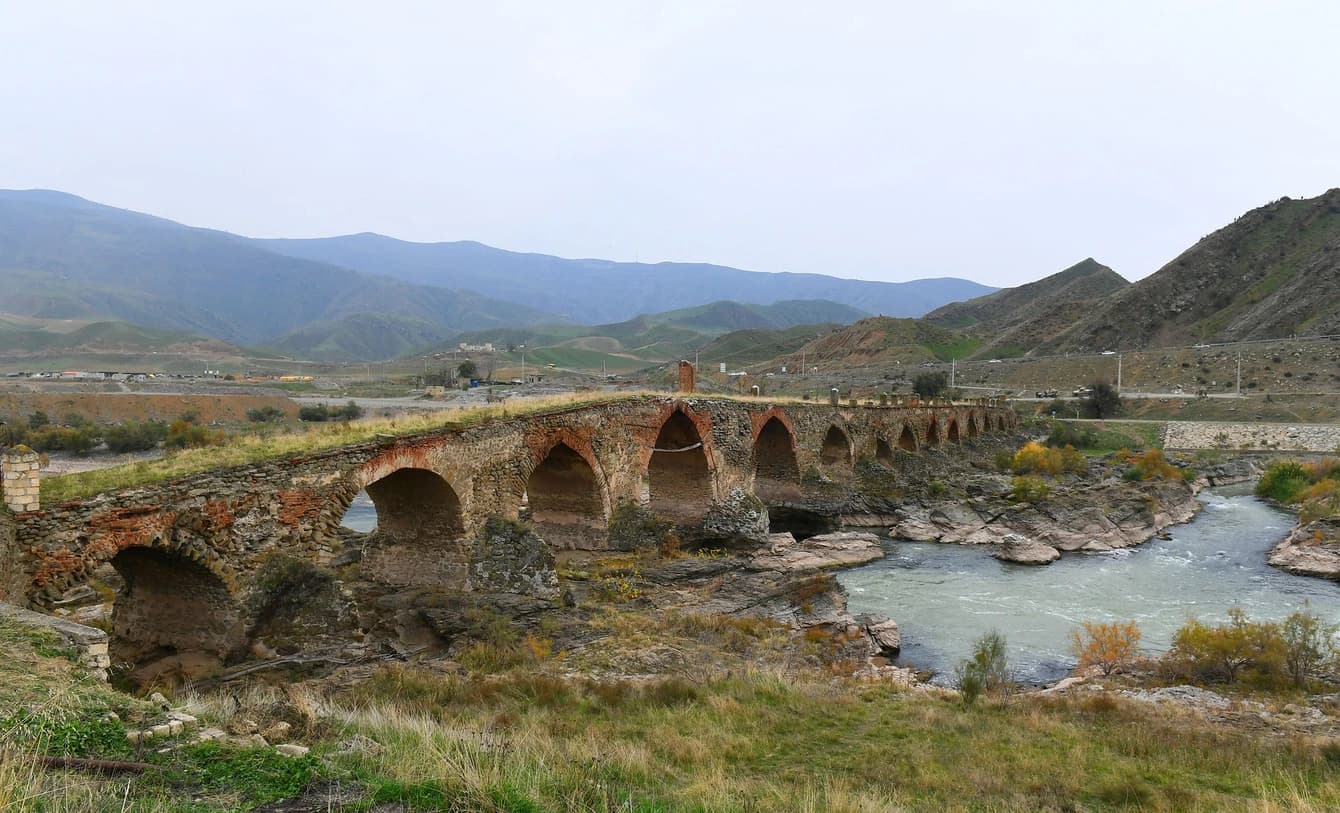
Russia is reopening a trade route to Armenia through Azerbaijan, a modest but symbolically important step that could ease supply bottlenecks and underscore a cautious thaw in a region where geopolitics often determines commerce.
Russia Reopens Trade Route to Armenia via Azerbaijan
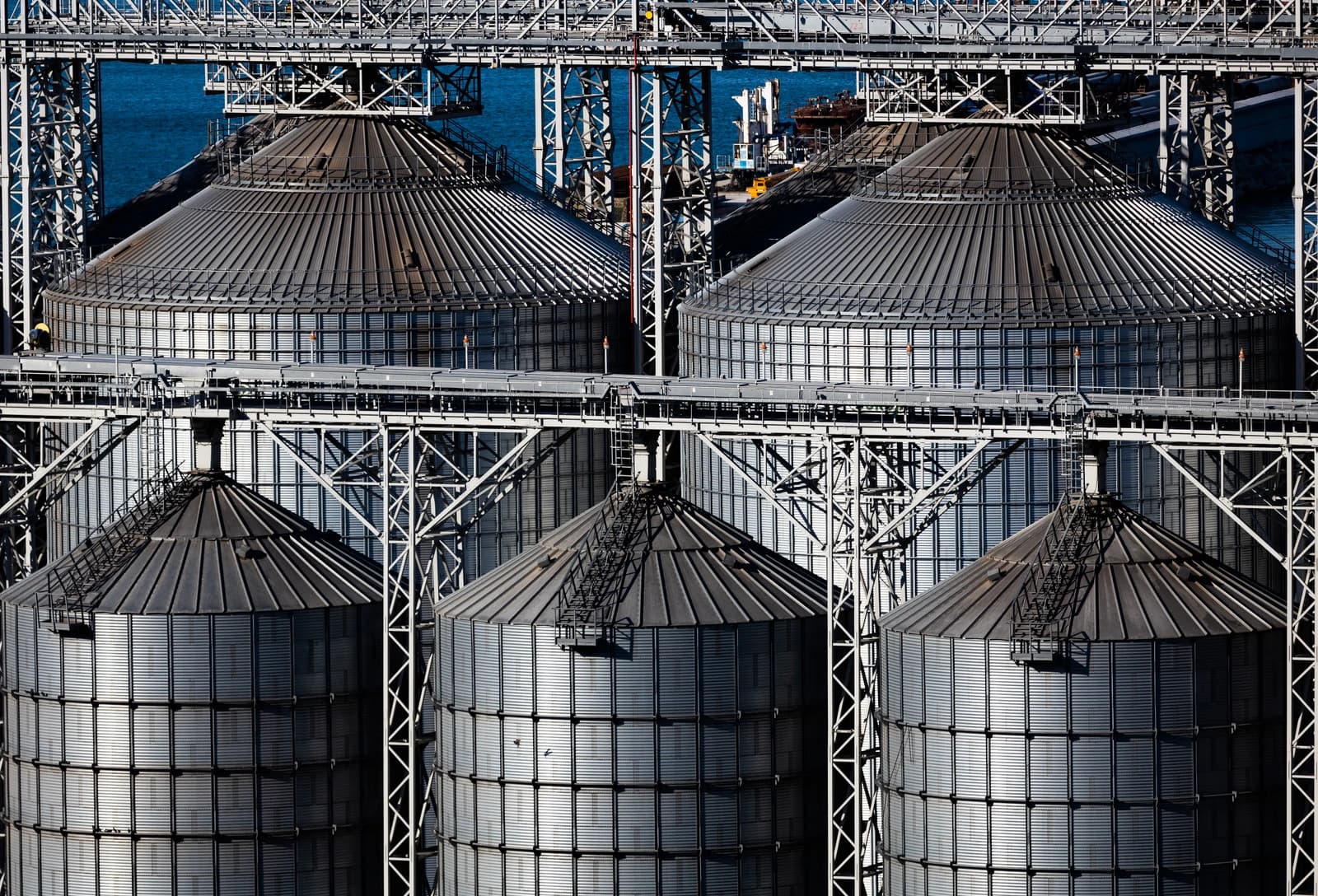
The shipment — five wagons of wheat, three wagons of fertilizer and two wagons of timber, or 355 tons of grain, 180 tons of fertilizer and 138 tons of wood — is small in economic terms. But the route matters because it shows that freight can move across a corridor that has often been constrained by politics, security tensions and shifting alliances in the South Caucasus.
Sentiment IndicatorsⓘProprietary · adalytica.com · September 5, 2026
This is a snapshot — live sentiment, awareness and momentum for 130+ markets update continuously in the dashboard.Open AlphaPulse
For Armenia, the immediate significance is practical. Wheat and fertilizer are basic inputs for food security and agriculture, while timber supports construction and industrial demand. Any new transit option can help diversify supply lines and reduce reliance on more fragile or expensive routes. For Russia, the move helps preserve commercial influence in a country that has historically depended on Moscow for trade, energy and security.
Investors should not mistake this for a market-moving trade flow. It is too small to alter regional commodity prices or global freight trends on its own. But it does reinforce a broader narrative that matters over time: Russia is trying to maintain economic leverage in the South Caucasus even as Armenia explores closer ties with Europe and Western governments press Yerevan to recalibrate its foreign policy.
That makes the shipment relevant beyond the cargo itself. If transit via Azerbaijan becomes routine, it could gradually improve regional logistics, support cross-border commerce and reduce political risk premia attached to trade in the area. It may also be a reminder that in geopolitically sensitive markets, access routes can be just as important as the goods being moved.
For long-term investors, the story is worth watching less as a one-off shipment than as a sign of whether regional trade channels are opening or closing. In markets, those shifts can eventually ripple into agriculture, energy, transportation and broader emerging-market sentiment. Patience is warranted, but so is attention.
| Entity | Gains | Losses |
|---|---|---|
| Armenia | ▲More supply options | ▼Less route flexibility if tensions rise |
| Russia | ▲Preserves regional trade influence | ▼Limited leverage if ties weaken further |
| Azerbaijan | ▲Transit revenue and relevance | ▼Added exposure to regional political friction |
| Local importers | ▲Potentially steadier deliveries | ▼Ongoing geopolitical uncertainty |