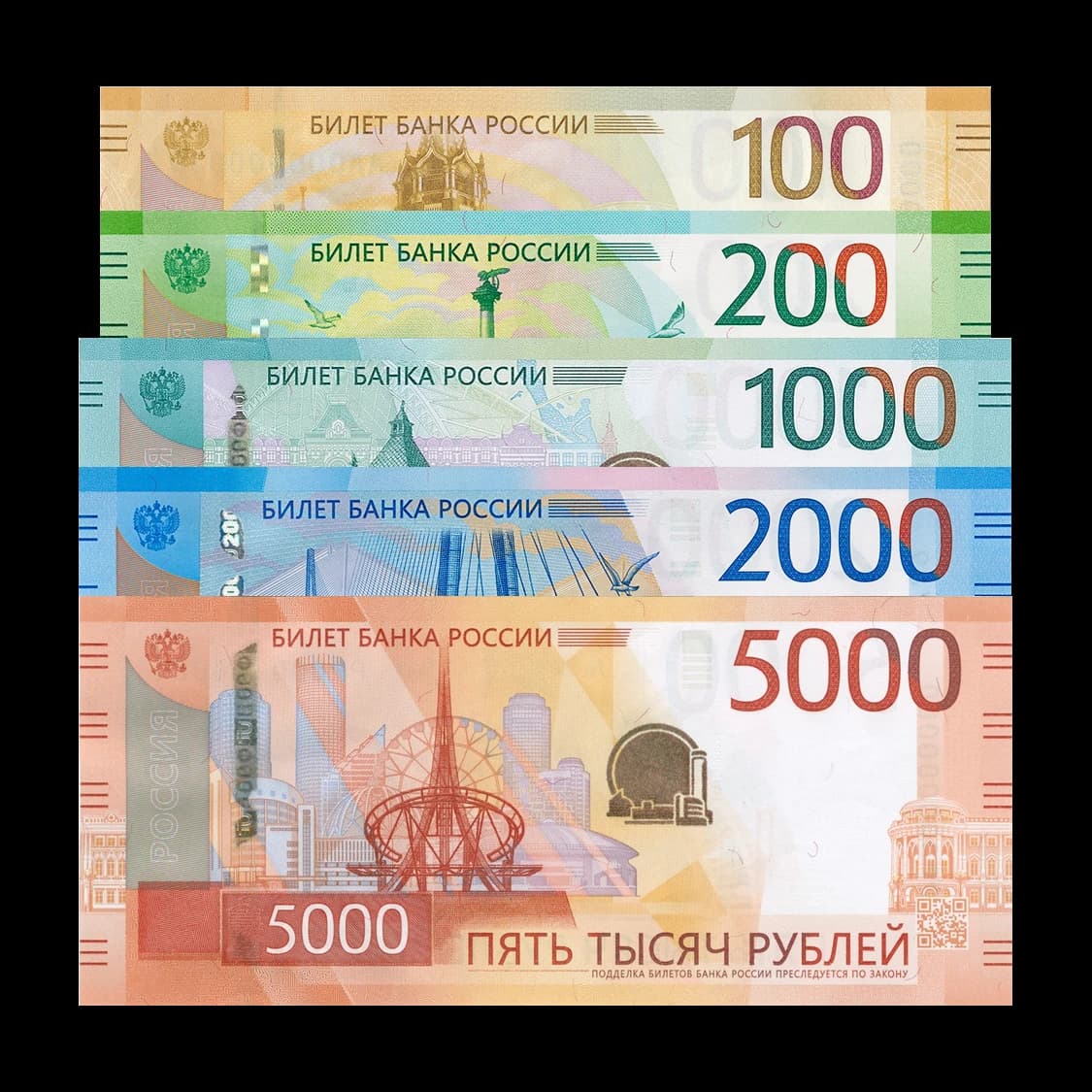
Russia’s government is leaning harder on taxes and domestic borrowing to fund rising spending, even as interest costs on its debt climb to levels that are starting to crowd out investment and deepen the squeeze on private capital.
Russia budget raises taxes and domestic borrowing
The core issue is not a classic debt crisis. Rather, it is a slow-burn fiscal adjustment in which Moscow is financing security-heavy budgets by widening the tax burden, issuing more costly ruble debt and accepting that private-sector growth will be subordinated to state priorities. Economists at an Expert RA webinar said the budget remains controllable, but the price of that control is mounting: defense outlays are rising, social spending is being pared back in real terms, and the structural primary deficit is likely to persist through 2028.
Sentiment IndicatorsⓘProprietary · adalytica.com · October 14, 2026
This is a snapshot — live sentiment, awareness and momentum for 130+ markets update continuously in the dashboard.Open AlphaPulse
That shift matters because the Russian state is now borrowing in a very expensive funding environment. With real policy rates above 10% and federal loan bonds, or OFZs, trading with yields around 17% and higher, the Treasury is paying a steep premium to place debt. Interest expenses have already reached 3 trillion rubles, a sum that is increasingly squeezing out productive spending. The latest three-year budget lifted 2026 spending to 48.5 trillion rubles from 44 trillion, underscoring that the fiscal path is being set by expenditure demands rather than revenue strength.
The borrowing strategy also reflects a structural change in who is left to buy Russian debt. Foreign holders have exited, retail demand has weakened as the central bank keeps policy tight, and banks prefer floating-rate paper to avoid duration risk. That leaves a narrower domestic buyer base — mainly pension and insurance funds, plus banks and households — and it is not large enough to absorb the more than 100 billion rubles a week the Finance Ministry needs to raise. One economist said institutional buyers may take only 20 billion to 30 billion rubles weekly in classic fixed-coupon bonds, forcing the state to shift toward floaters and shorter maturities.
For investors, the implication is that Russia’s debt market is becoming more of a test of fiscal resilience than a source of cheap financing. Higher yields are not just a reflection of inflation risk or policy uncertainty; they are the price of a market with too much supply and too few natural buyers. The state can still fund itself, but at the cost of tighter financial conditions for everyone else. That dynamic is already discouraging long-term private investment, since deposits and OFZs yielding 17%-20% offer far better risk-adjusted returns than real-economy projects.
The government appears unwilling to solve the problem by inflating away its debt. Officials remain committed to budget balance over the medium term and to inflation targeting, a doctrine shaped by the 1998 default and the preference for preserving macro stability even under sanctions and war. That leaves a familiar but painful formula: higher taxes, more expensive credit, lower private investment and slower growth. The market takeaway is that Russia can still finance itself, but only by transferring the burden across households, businesses and bondholders rather than through a clean fiscal adjustment.
| Entity | Gains | Losses |
|---|---|---|
| Russian state | ▲Funds security spending | ▼Pays higher debt costs |
| Domestic bond buyers | ▲Higher OFZ yields | ▼Duration and rate risk |
| Businesses | ▲Predictable tax regime | ▼Crowded-out investment |
| Households | ▲No inflation spike | ▼Higher tax burden |