Russia’s Communist Party has proposed a 2027 moratorium on late-payment penalties for state and municipal budget institutions, a move that would give schools, hospitals and kindergartens more room to manage rising utility and operating costs without diverting funds from core services.
Russia Communist Party proposes 2027 penalty freeze
The proposal is economically meaningful because it targets a pressure point in Russia’s public-sector finances: arrears and penalty charges can compound cash strain in institutions that depend on budget transfers but face higher tariffs, prices and mandatory payments. By suspending penalties, lawmakers are trying to prevent working capital from being drained by fines at a time when public services are already under budget stress.
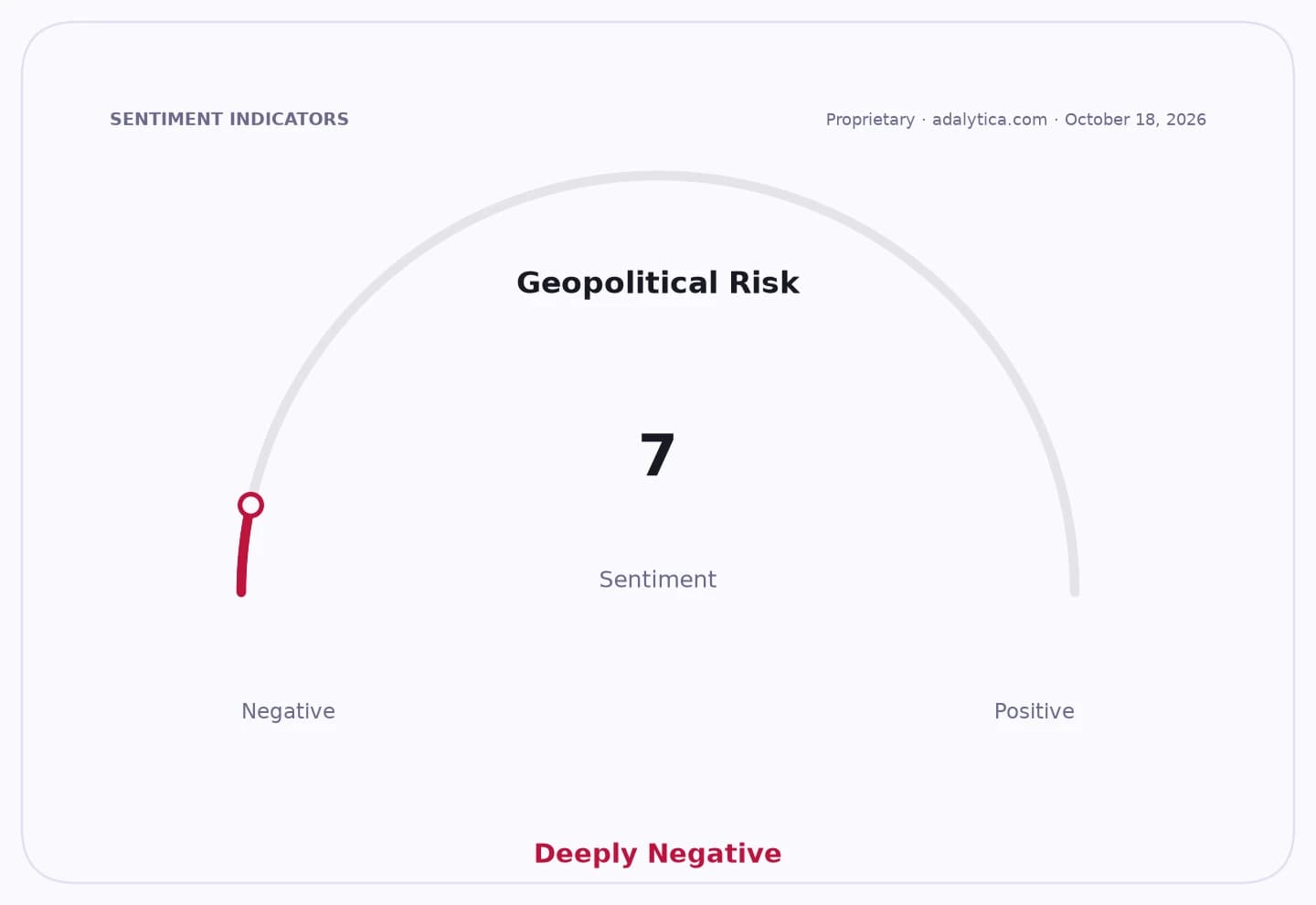
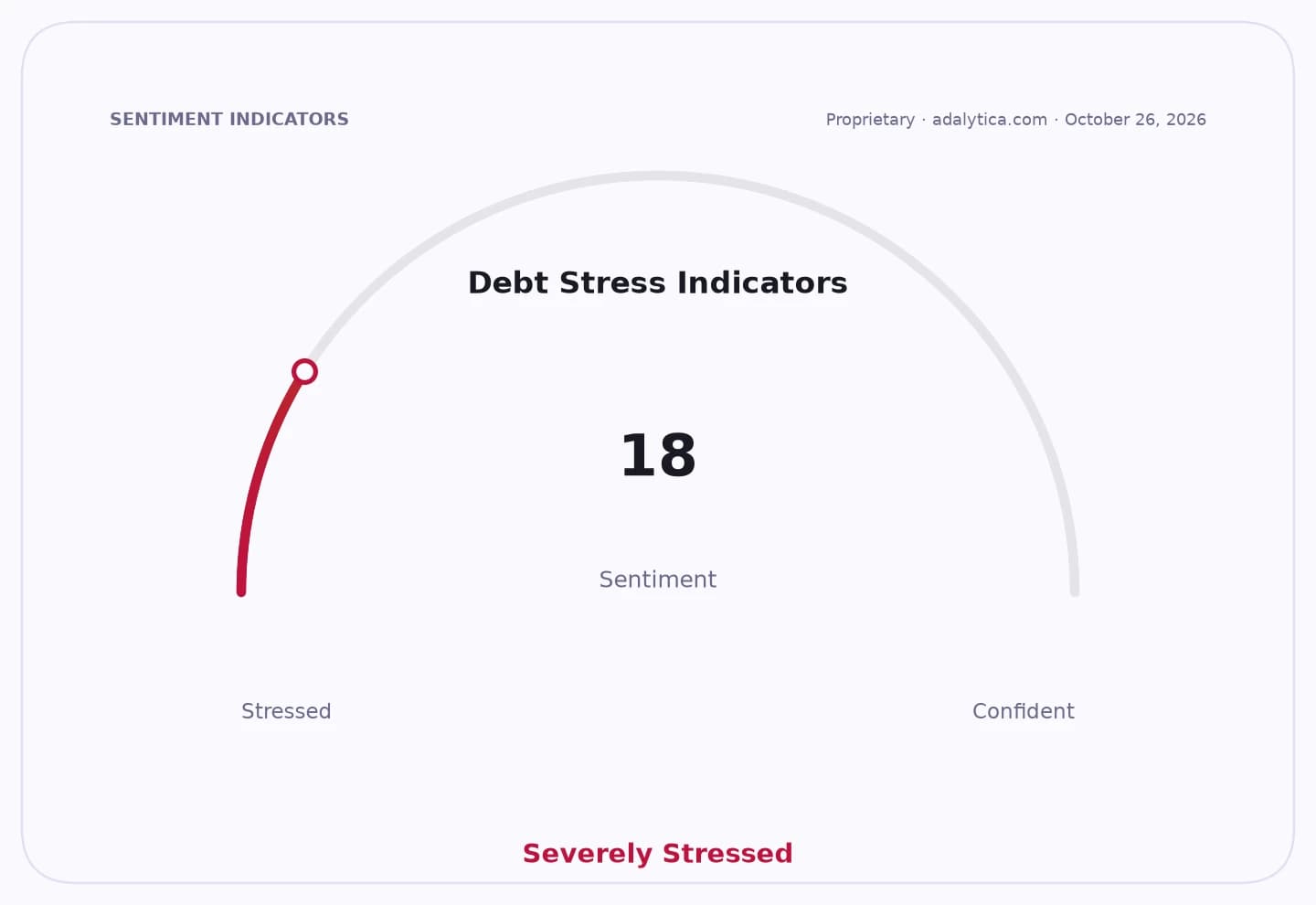
Sentiment IndicatorsⓘProprietary · adalytica.com · October 25, 2026
This is a snapshot — live sentiment, awareness and momentum for 130+ markets update continuously in the dashboard.Open AlphaPulse
The initiative was put forward by Communist Party deputies Georgy Kamnev and Alexander Ivachev, together with senator Airat Gibatdinov, in a request sent to Prime Minister Mikhail Mishustin. The authors argue that institutions should be allowed to repay principal debt gradually, while penalties would be frozen for 2027. They stressed the proposal is not debt forgiveness, but a temporary reprieve that would let social institutions settle liabilities without additional sanctions.
For investors and creditors, the measure matters less as a direct market event than as a signal of persistent fiscal tightness in Russia’s regional and municipal public sector. If adopted, it would likely reduce penalty income for public utilities and service providers owed money by budget-funded institutions, while easing near-term cash flow pressure on those institutions. It also underscores the state’s preference for administrative relief over outright balance-sheet repair when public-sector arrears become politically sensitive.
The proposal follows earlier support measures introduced in March 2022, when Russia imposed a moratorium on bankruptcy claims and effectively suspended some penalty accruals. But budget institutions were not fully covered by that framework because they cannot be declared bankrupt under Russian law. That legal gap is part of what the new initiative is trying to address.
The broader narrative is that inflation in regulated tariffs and input costs is increasingly colliding with flat or constrained budget allocations, forcing lawmakers to choose between disciplining public borrowers and preserving funding for essential services. If the government takes up the proposal, it would likely be read as another sign that fiscal support for the public sector remains a policy priority even as budgetary pressure builds.
For markets, the immediate impact should be limited. But the story is relevant to anyone watching Russia’s domestic fiscal discipline, regional budget health and the creditworthiness of municipal counterparties. The key question is whether a temporary penalty freeze becomes a one-off relief measure or the start of a broader easing of enforcement against public-sector debt.
| Entity | Gains | Losses |
|---|---|---|
| Budget institutions | ▲Less penalty burden | ▼Less urgency from sanctions |
| Schools, hospitals, kindergartens | ▲More cash for services | ▼Fewer funds tied up in fines |
| Russian government | ▲Political relief, service continuity | ▼Lower penalty enforcement |
| Creditors and utilities | ▲Potential principal repayment | ▼Lost penalty income |