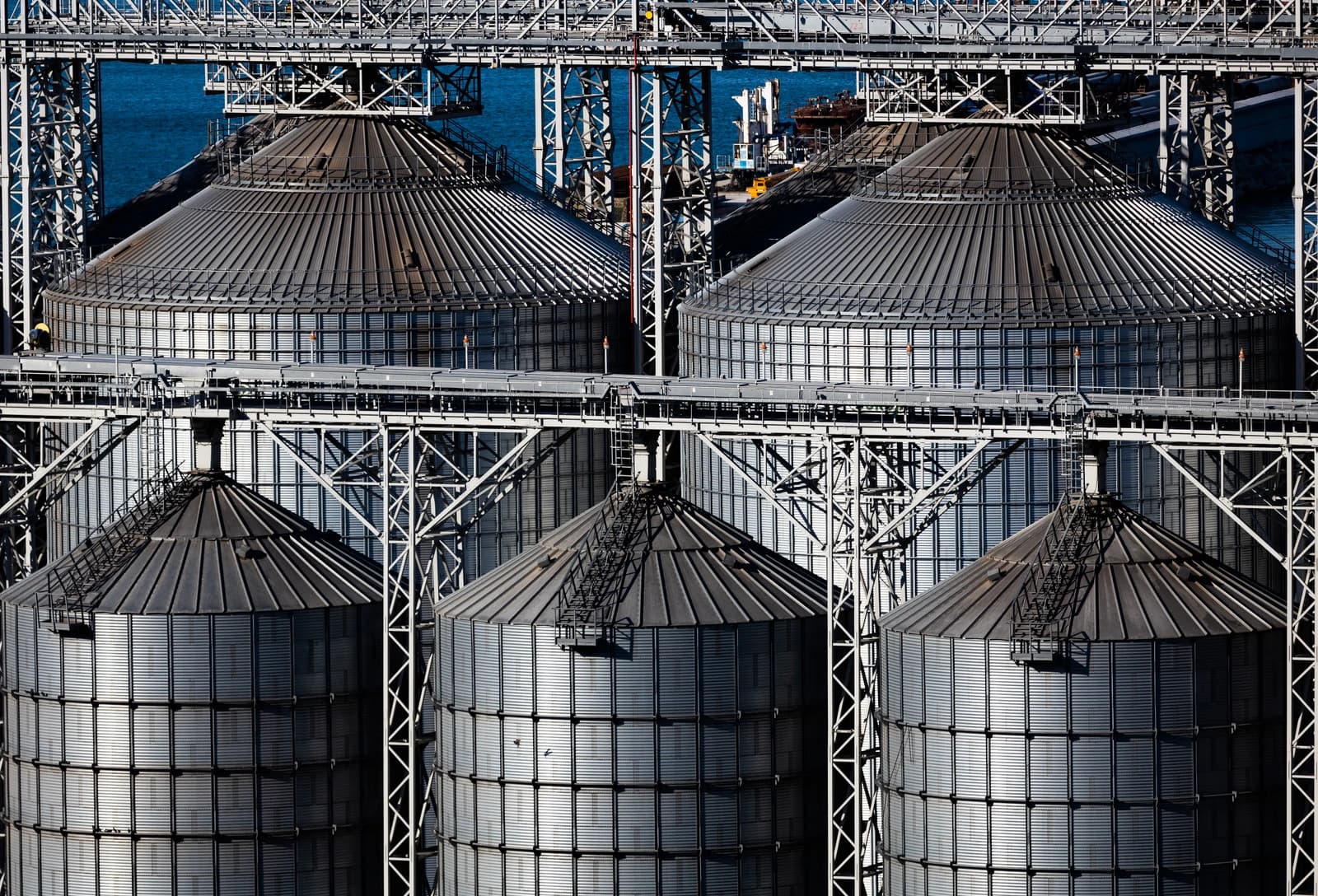
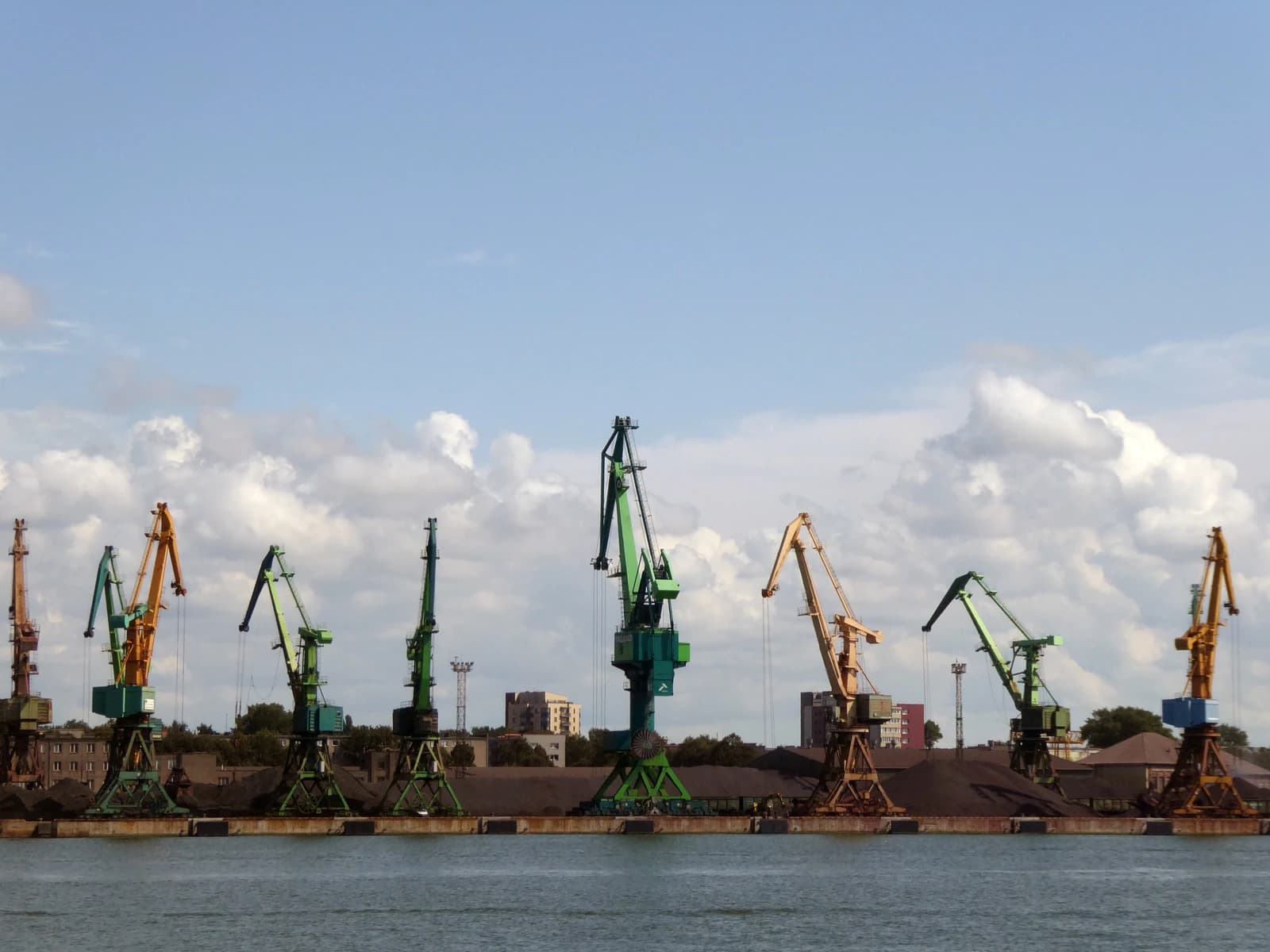
Russia’s grain market is pushing Moscow for faster and larger intervention measures as exports through Black Sea ports slow and record wheat inventories squeeze farm cash flow ahead of the autumn planting season.
Russia Grain Exports Slow as Moscow Weighs Buying

The immediate economic risk is not just lower grain prices, but a financing strain across farm operations that rely on harvest-time sales to repay loans, cover lease payments and fund next year’s sowing. Small and midsize farms are especially exposed if stockpiles remain unsold while export routes stay constrained.
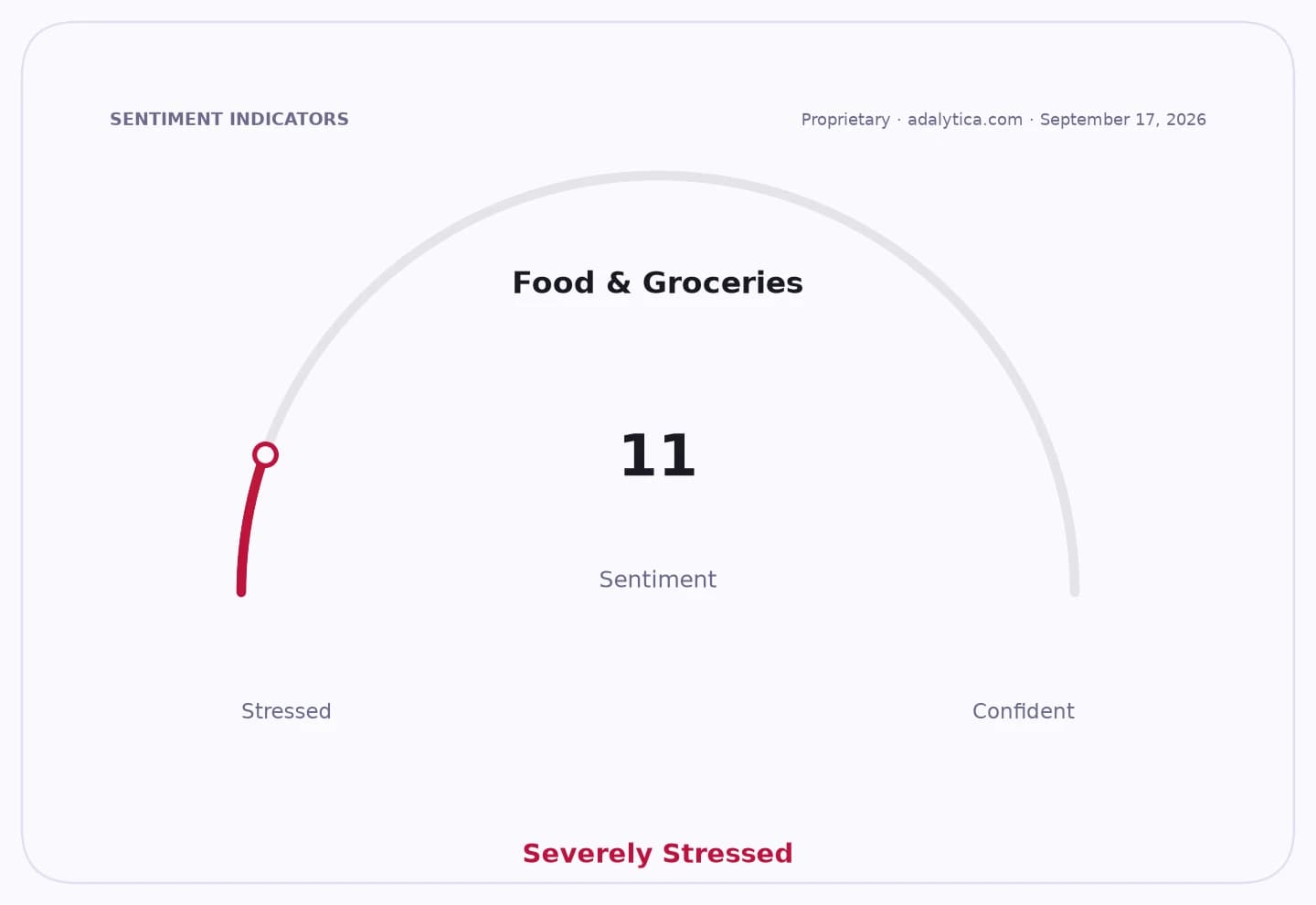
Sentiment IndicatorsⓘProprietary · adalytica.com · September 7, 2026
This is a snapshot — live sentiment, awareness and momentum for 130+ markets update continuously in the dashboard.Open AlphaPulse
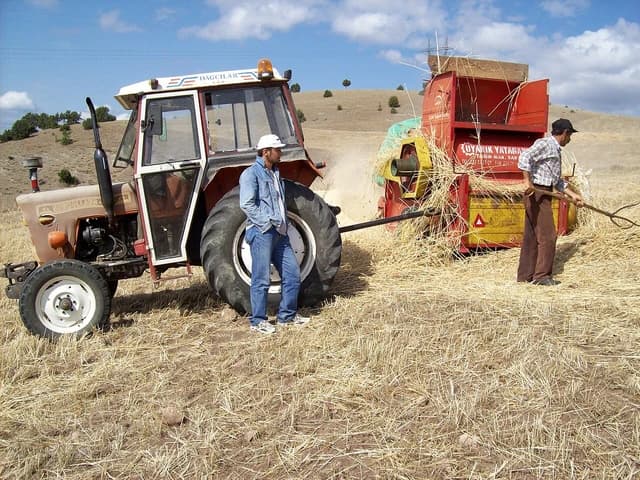
Russian grain exports fell by half in August to 2 million tons from 4.5 million tons, the lowest monthly level in a decade, according to experts cited by Parliamentary Gazette. Shipments from Azov Sea ports were disrupted in mid-July and Black Sea port activity was sharply limited from mid-August, leaving only smaller vessels loading in Novorossiysk.
That has created a growing overhang of unsold grain in farm warehouses just as producers need cash. Lawmaker Nikolai Goncharov said the bottleneck is hitting southern regions hardest and warned that if farms miss old debt payments, they may not be able to obtain new credit for the next season.
The government has already moved to subsidize rail shipments of grain by 9.5 billion rubles, or about $100 million, but industry figures say that will not be enough to clear the surplus. Rail transport is not economical from all producing regions and cannot absorb the full exportable volume.
Russian Grain Union head Arkady Zlochevsky said the Agriculture Ministry has so far proposed interventions totaling only 3 million tons, calling that “a drop in the ocean.” He said Russia bought 9 million tons in 2024 to ease a grain buildup, but argued the current glut is worse and would require at least 12 million tons of state purchases.
The intervention fund is also thin, with just 3.6 million tons of wheat and no replenishment for three years, limiting the buffer available to stabilize the market. Regional officials in Stavropol are already pressing Moscow for rapid buying and direct farm subsidies.
For investors, the pressure points are clear: weaker logistics, more state spending and potentially softer grain price volatility if intervention buying accelerates. The bigger market issue is whether Moscow chooses to absorb more of the crop itself or force the sector to shift more volumes into flour and other processed exports.
That would favor millers and processors over raw grain sellers, while easing some pressure on the farm gate. Traders and agricultural exporters now await the size and timing of the next state purchase program, as well as whether the government extends credit maturities for farms beyond concessional loans.
| Entity | Gains | Losses |
|---|---|---|
| Russian farms | ▲cash-flow relief from state buying | ▼unsold grain, debt pressure |
| Russian government | ▲can stabilize rural finances | ▼higher budget outlays |
| Grain processors / millers | ▲more support for flour exports | ▼limited if logistics stay tight |
| Grain traders / exporters | ▲clearer intervention signals if buying expands | ▼lower export volumes and margins |