Russia’s planned increase in the federal minimum wage will put more cash in the hands of about 4.5 million workers next year, but it will also raise labor costs for employers and could ripple through social benefits and payroll deductions across the economy.
Russia minimum wage rises 6.8% in 2027 budget
Under the 2027 budget package, the monthly minimum wage, or MROT, will rise from 27,093 rubles to 28,935 rubles, a gain of 1,842 rubles, or 6.8%, from Jan. 1. That makes the measure more than a symbolic policy gesture: it sets the floor for official pay, affects the calculation of some sick leave and maternity benefits, and can influence child-care payments and other transfers that are pegged to the wage floor.
For workers at the bottom of the pay scale, the increase is meaningful in a country where household budgets remain sensitive to food, utilities and transport costs. For employers, however, the higher floor means higher payroll expenses. With the standard contribution rate of 30%, monthly social insurance payments on a minimum-wage salary will rise to 8,680.50 rubles from 8,127.90 rubles. That is a direct hit to labor-intensive businesses, especially small firms and regional employers already operating on thin margins.
The change also matters because the minimum wage is no longer a separate policy variable in Russia’s labor market — it is increasingly tied to broader wage dynamics. Since 2025, the government has linked the federal minimum to at least 48% of the median wage, and the Kremlin’s national goals call for lifting it to at least 35,000 rubles a month by 2030. In other words, this is not a one-off adjustment; it is part of a multi-year ratchet higher.
That makes the move economically important even if the headline number looks modest. A higher wage floor supports consumer spending at the lower end of the income distribution, where the propensity to spend is highest. But it can also feed wage pressure more broadly if employers pass along costs, and it raises the question of how much room the labor market has to absorb repeated increases without squeezing hiring.
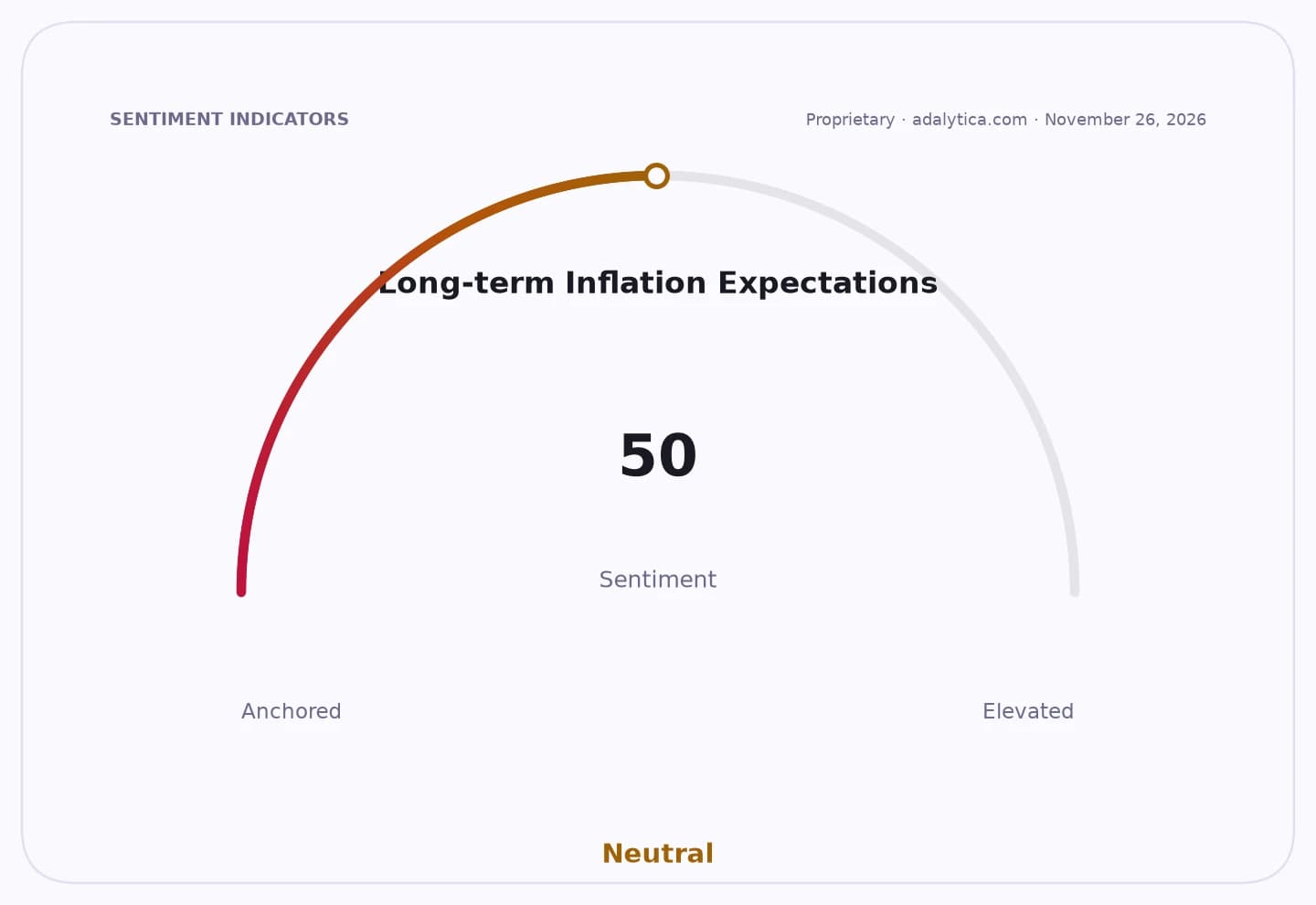
Investors should watch the second-order effects. A higher minimum wage can modestly support retail demand and consumption-oriented businesses, but it can also lift costs for employers in services, logistics, agriculture and other labor-heavy sectors. It may also nudge inflation expectations higher if firms begin building wage costs into prices. For anyone exposed to Russian consumer demand or payroll-sensitive businesses, the policy is a reminder that wage growth is becoming a structural feature of the economy, not an exception.
The broader takeaway is simple: Russia is trying to protect household incomes while preserving political and social stability, but every step up in the wage floor shifts more of the burden onto employers and the state budget. For long-term investors, the story is less about the 1,842-ruble increase itself than about the direction of policy — higher incomes, higher contributions and a labor market that keeps getting more expensive. Worth watching.
| Entity | Gains | Losses |
|---|---|---|
| Low-wage workers | ▲Higher take-home pay | ▼Possible employer cutbacks |
| Employers | ▲More predictable wage floor | ▼Higher payroll costs |
| Government | ▲Social stability support | ▼Larger transfer and budget pressure |
| Consumers | ▲Slightly stronger spending power | ▼Potential price pass-through |