Yogyakarta’s decision to lift the 2027 provincial minimum wage to Rp2.725 million signals another round of higher labor costs for businesses in one of Java’s important tourism and services hubs, even as authorities frame the increase as a balance between worker welfare and corporate productivity.
Yogyakarta raises 2027 minimum wage to Rp2.725 million
The 12.72% increase from the 2026 level of Rp2.417.495 will apply to workers with less than one year of service, while employers are required to maintain wage structures for longer-tenured staff. That distinction matters economically because the legal floor is likely to lift pay expectations across a broader slice of the labor market, not just for new hires, especially in labor-intensive sectors such as accommodation, food and beverage, construction and telecommunications services, which the provincial wage council flagged for sectoral minimums.
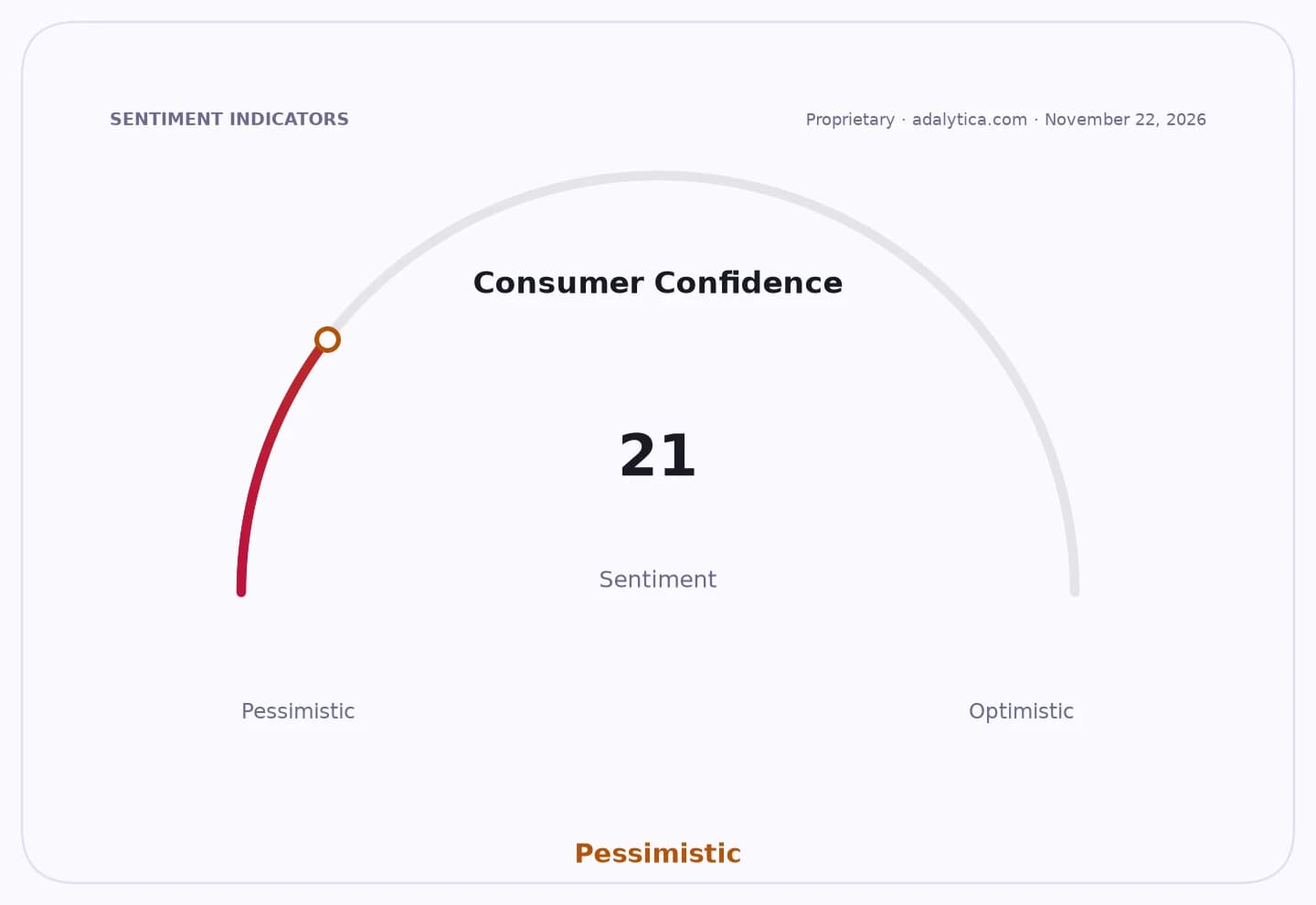
Sentiment Indicators
For employers, the immediate effect is pressure on payrolls at a time when many small and medium-sized enterprises are still managing thin margins and uneven demand. For workers, the move protects purchasing power in a region where minimum wages remain well below larger industrial centers, but the size of the hike may still lag living-cost pressures depending on household spending patterns. The province said the increase was based on recommendations from a tripartite wage council and aligned with national labor law, including considerations of the Kebutuhan Hidup Layak, or decent living needs.
Investor relevance is most direct for companies with exposure to Yogyakarta’s consumer-facing economy, including hotels, restaurants, retail and local service providers, where wage inflation can squeeze operating margins unless offset by price increases, productivity gains or stronger occupancy and traffic. Construction contractors and digital-services firms with large junior workforces may also see costs rise, though the impact will vary depending on labor intensity and pricing power. The main bull case is that higher wages can support consumption in a province dependent on domestic demand and tourism; the bear case is that the step-up could hit hiring, delay expansion plans or encourage a shift toward informal and contract labor.
The policy also fits a broader national pattern of tighter wage-setting and more formalized labor rules under the new legal framework. That makes the 2027 minimum less a one-off announcement than part of an evolving cost structure that investors in Indonesian consumer, property and service businesses will need to watch through next year’s budget and earnings cycle.
| Entity | Gains | Losses |
|---|---|---|
| Workers below one year | ▲Higher base pay | ▼Limited near-term hiring |
| Small employers in DIY | ▲Clearer wage rules | ▼Higher payroll costs |
| Consumer-facing businesses | ▲Possible demand support | ▼Margin pressure |
| Local economy | ▲Stronger household spending | ▼Risk of slower job creation |