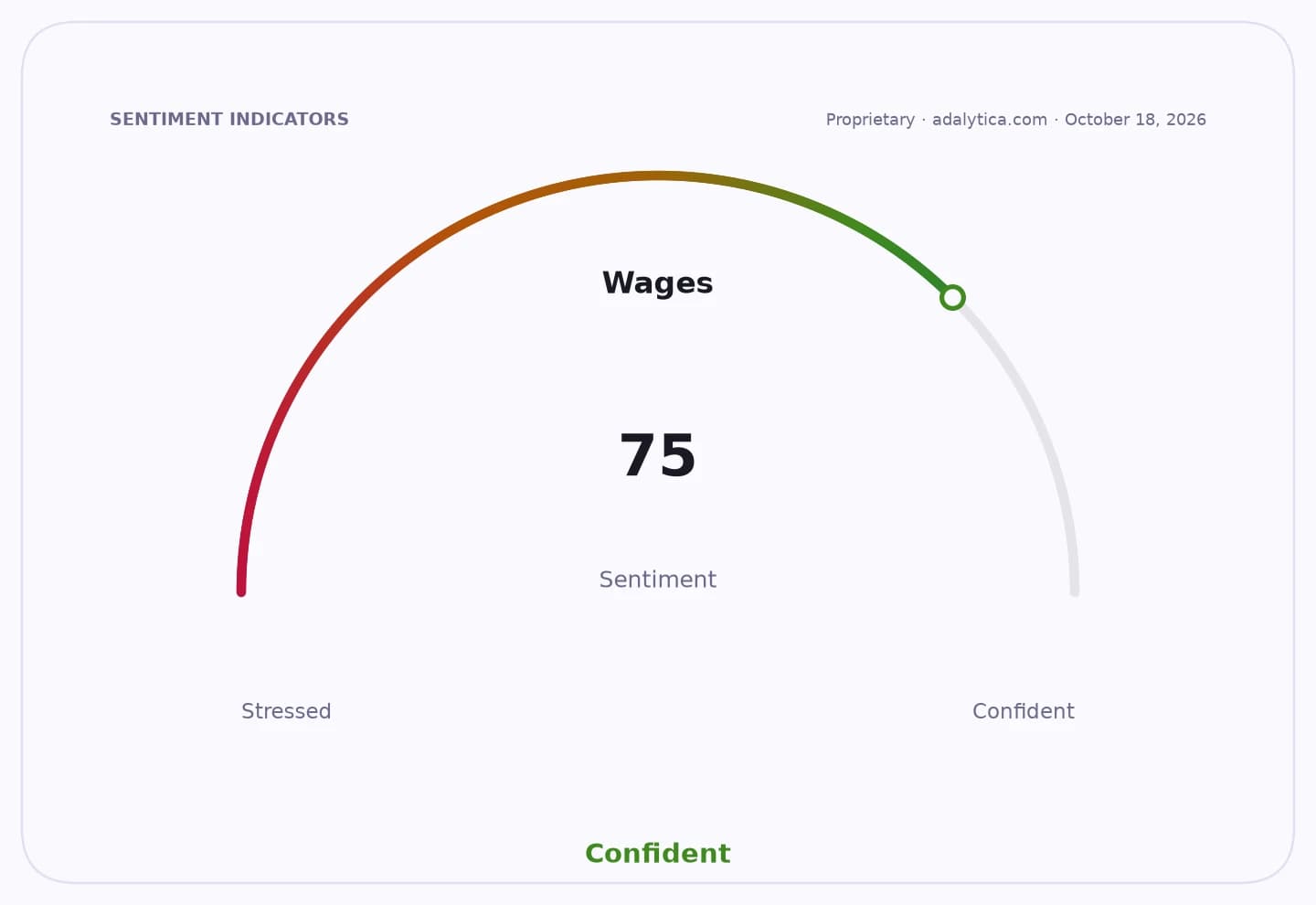
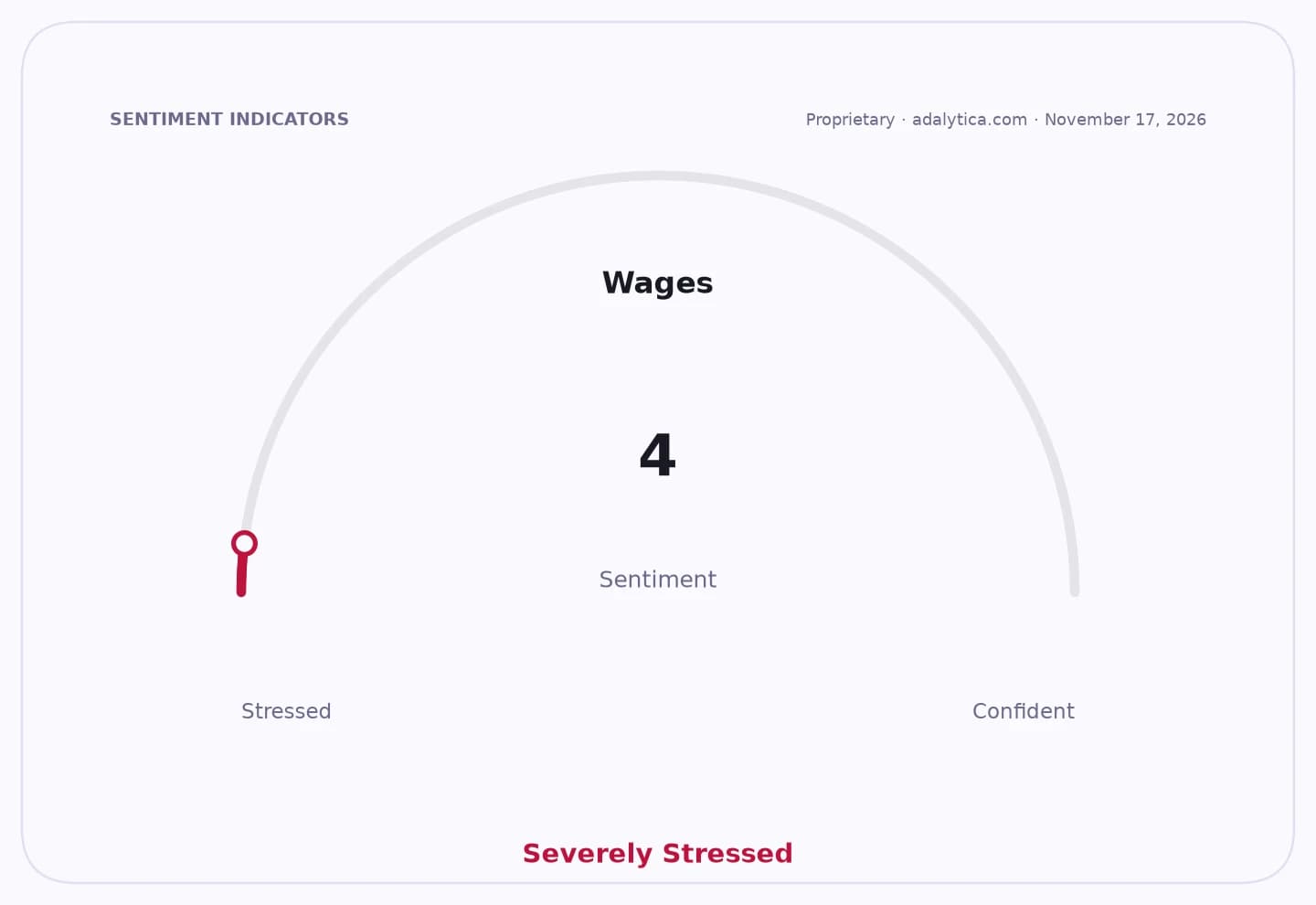
Maharashtra’s new wage rules are important because they do more than adjust pay mechanics: they force employers in covered establishments to lift compliance standards, raise labor costs where overtime and deductions were previously flexible, and give workers a clearer legal claim on wages and rest time.
Maharashtra Wage Rules Raise Compliance and Labor Costs
The Maharashtra government has notified the Maharashtra Wage Rules, 2026, which came into force on publication in the state gazette on Nov. 5, 2026. The rules apply to establishments covered under the federal Wage Code framework and are not a blanket change for all government employees. For workers, the biggest gains are a clearer floor on hours, stronger protection against excessive deductions and a mandatory recalibration of dearness allowance, which is meant to keep pay aligned with inflation.
The economic effect is straightforward: employers will have less room to manage labor costs through informal scheduling or broad wage deductions, while workers should see more predictable take-home pay. The rules cap ordinary work at eight hours a day for daily-rated employees and 48 hours a week for other wage cycles, making clear that 48 hours is a maximum rather than a minimum. Weekly rest becomes mandatory, with compensatory rest required if staff work on a rest day. If workers are asked to work on a weekly off, they must be paid at least double their normal wage rate, a change that will matter most in labor-intensive sectors that rely on weekend shifts, peak-season production or continuous operations.
The new framework also tightens one of the most sensitive areas for household income: wage deductions. Total deductions in a wage period cannot exceed 50% of pay, and employers must issue a written or electronic show-cause notice before imposing penalties or damage-related deductions. That should reduce arbitrary reductions in net pay, but it also raises administrative burdens for firms that have relied on broader payroll discretion.
Inflation protection is another key element. Variable dearness allowance for minimum-wage workers will be revised before April 1 and Oct. 1 each year, using the Labour Bureau’s consumer price index for industrial workers. That ties wage adjustments more explicitly to inflation, which helps preserve real incomes but can also add pressure to payroll costs when consumer prices are sticky.
For investors, the main issue is not the headline benefit to workers but the margin impact on employers exposed to large hourly or daily labor pools. Businesses in manufacturing, logistics, retail, hospitality and other labor-heavy industries may face higher compliance costs, more overtime liabilities and tighter payroll controls. The requirement to retain wage, attendance and overtime records for five years, and to provide wage slips on or before pay day, also increases documentation and audit discipline.
There is a broader policy narrative behind the move: India’s labor-rule modernization is gradually shifting from discretionary employment practices toward formalized wage structures and auditable records. In theory, that supports fairer labor markets and can improve productivity through clearer rules. In practice, it may squeeze smaller employers with thin margins while favoring larger companies that can absorb higher compliance costs and automate payroll systems.
The near-term question for markets is how quickly employers pass on those costs, whether through pricing, staffing changes or slower hiring. Workers should benefit from more transparent pay and stronger protections. For investors, the key will be whether the rules improve labor stability enough to offset the immediate hit to operating flexibility.
| Entity | Gains | Losses |
|---|---|---|
| Workers in covered establishments | ▲Higher pay protection | ▼Less informal flexibility |
| Employers in labor-intensive sectors | ▲Clearer compliance rules | ▼Higher payroll and overtime costs |
| Larger firms with formal HR systems | ▲Easier compliance scaling | ▼None material |
| Smaller employers | ▲Predictable legal framework | ▼Higher admin burden |