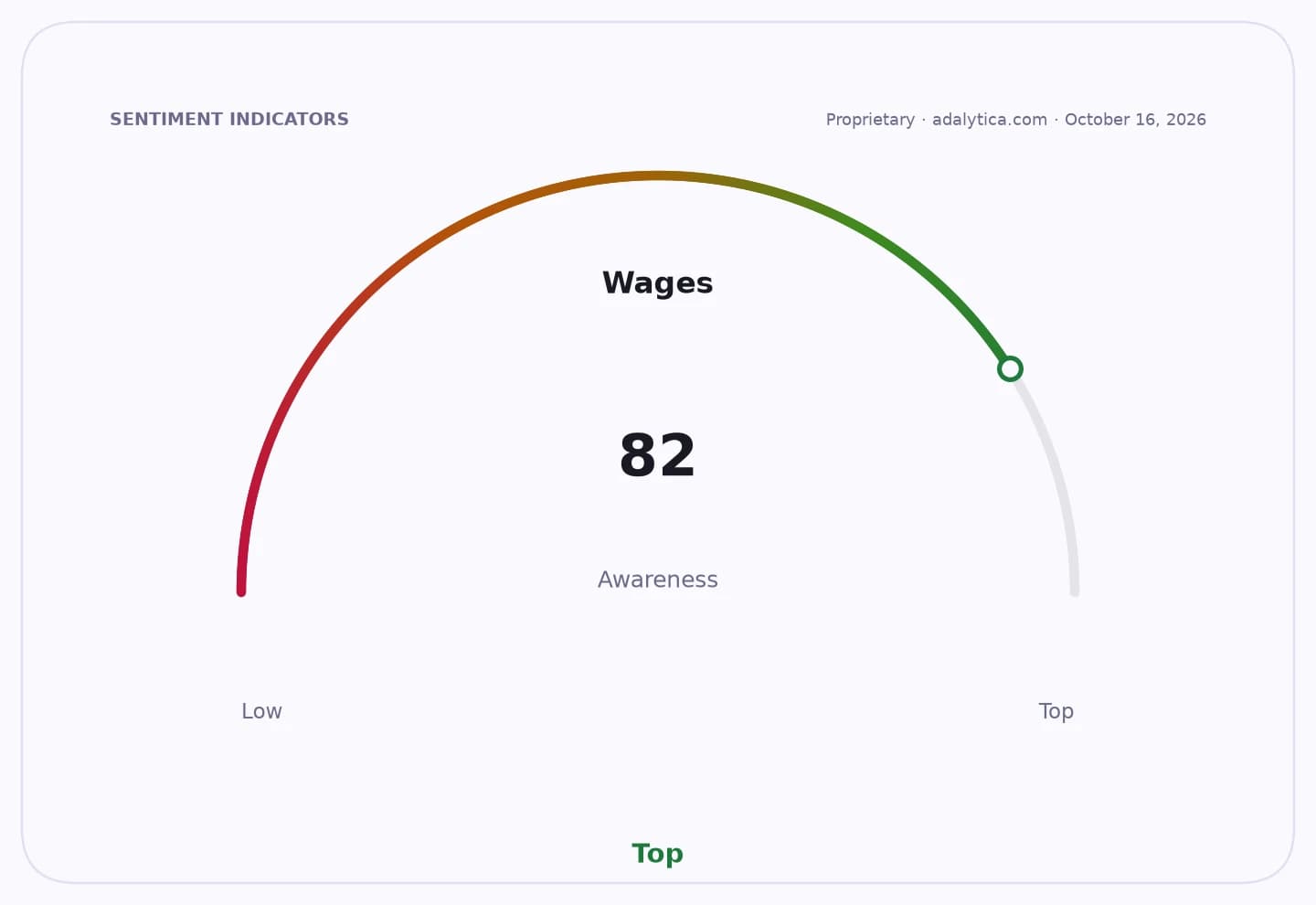
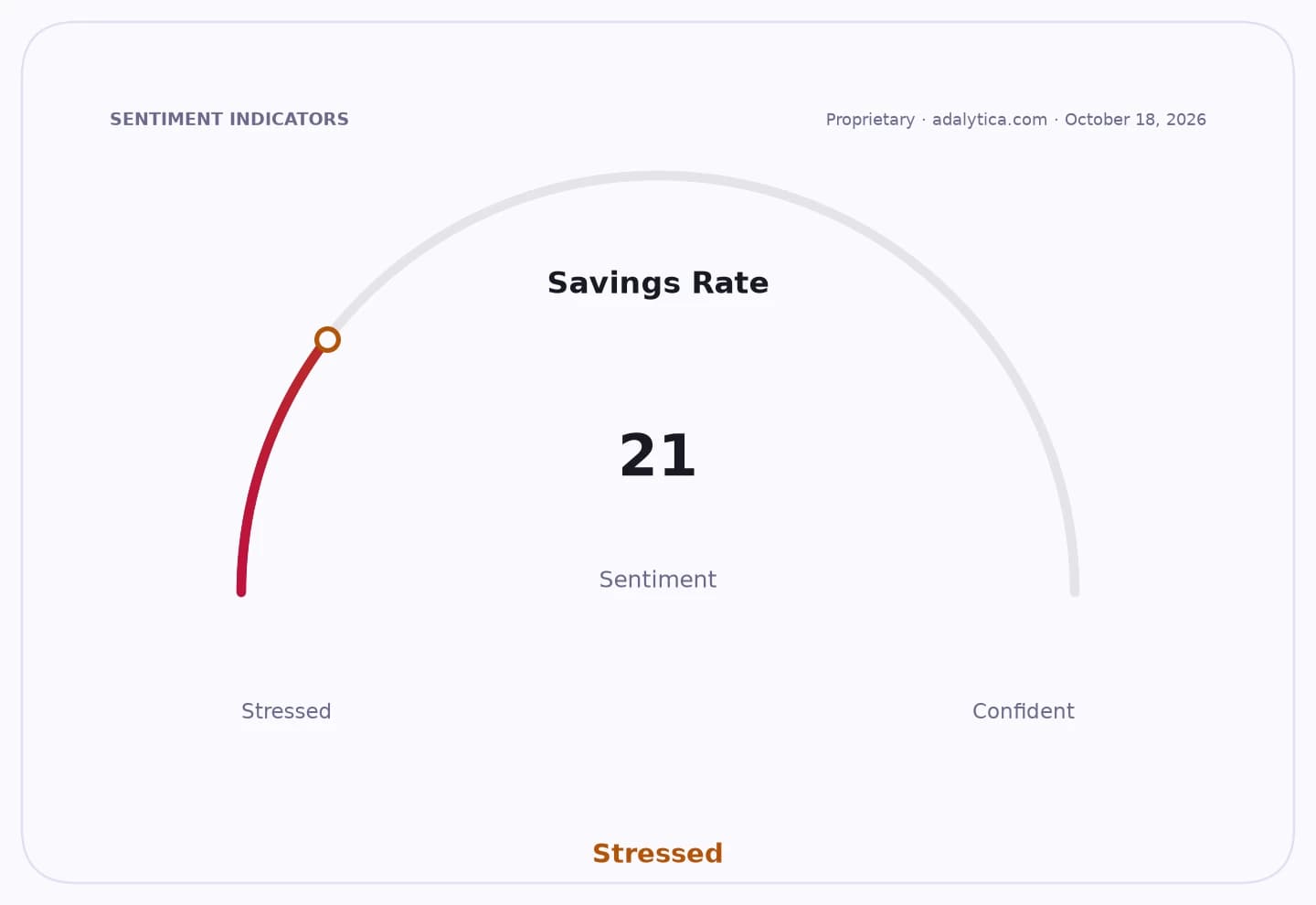
Malaysia is giving small businesses a crucial cushion before it lifts the monthly minimum wage to RM2,000, a move that should help protect margins at the lower end of the economy while still pushing the country toward higher pay.
Malaysia minimum wage rises to RM2,000 in 2027
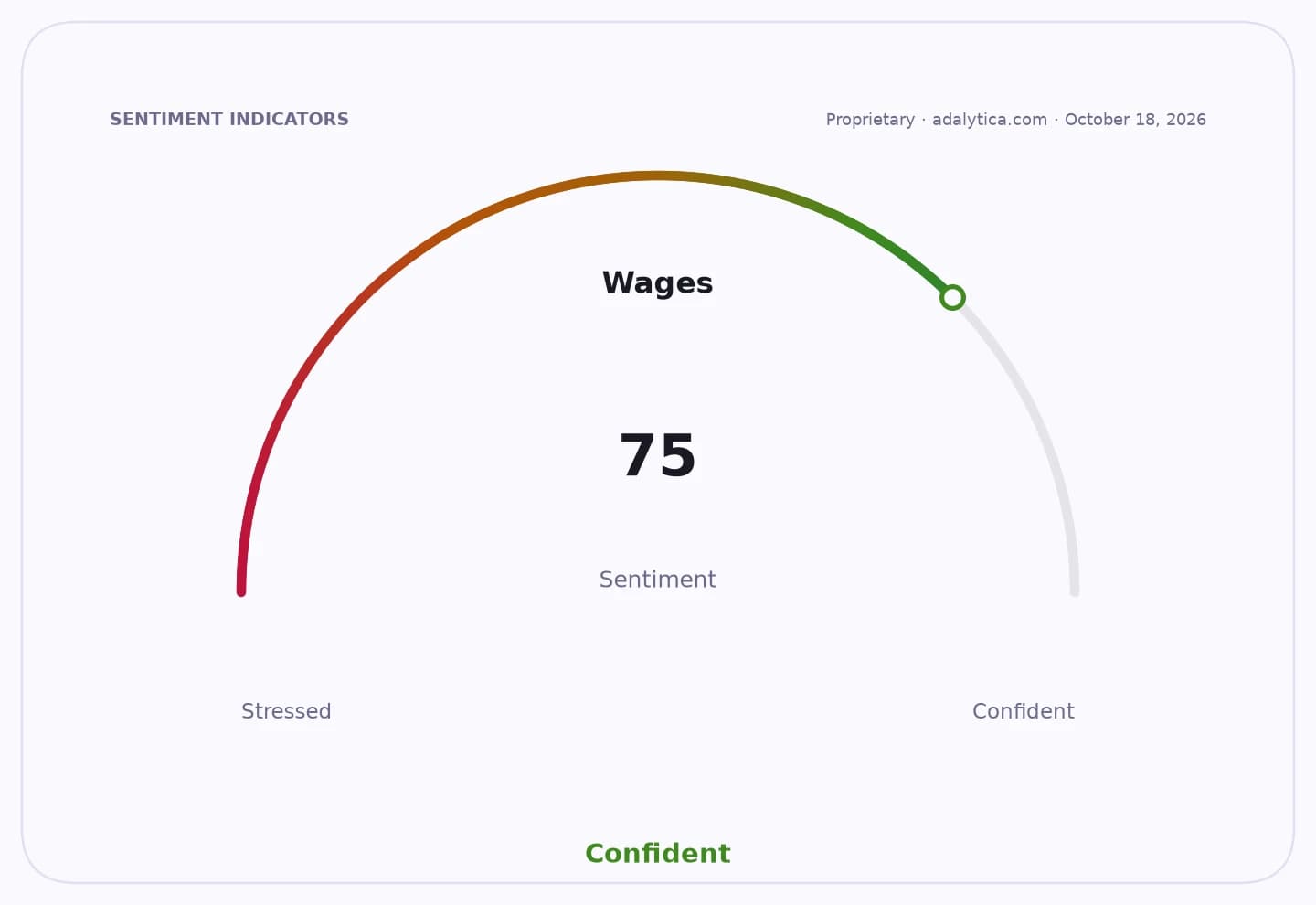
The exemption for micro, small and medium enterprises with sales below RM50 million means the wage increase from RM1,700 will not hit every employer at once when it takes effect in June 2027. For investors, that matters because labor costs are one of the most immediate pressures on consumer-facing businesses, factories and service companies, especially when demand is uneven and financing remains expensive.
Sentiment IndicatorsⓘProprietary · adalytica.com · October 18, 2026
This is a snapshot — live sentiment, awareness and momentum for 130+ markets update continuously in the dashboard.Open AlphaPulse
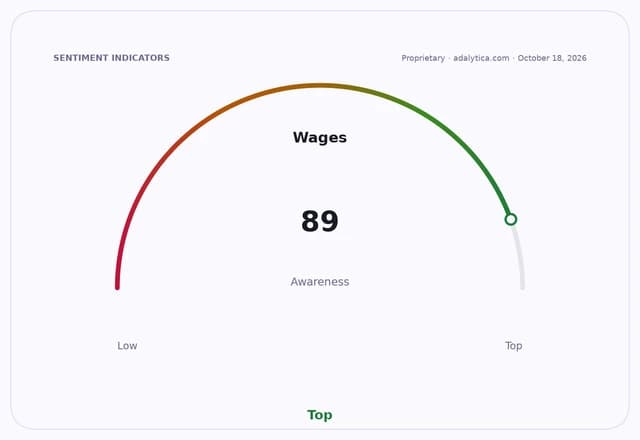
The policy is a reminder that wage reform is not just a social measure; it is also a productivity test. By carving out smaller firms, Putrajaya is acknowledging that a blanket increase could strain businesses that do not yet have the scale, pricing power or automation to absorb higher payroll costs. That should reduce the risk of abrupt job cuts, price increases or margin compression in the near term.
Human Resources Minister Ramanan Ramakrishnan said the exemption was designed to give affected companies time to adapt after the wage hike was announced in Budget Madani 2027. He framed the broader plan as part of a push to build a more skilled, better paid workforce and move Malaysia toward a higher-value economy.
That ambition also explains why the government is tightening enforcement. The labor ministry is working on an e-wages monitoring module to help ensure salaries are paid on time and at the correct rate under the Employment Act 1955, including allowances, incentives and bonuses. If implemented well, that could reduce underpayment disputes and make wage compliance more transparent across the labor market.
For investors, the winners are the larger employers that can absorb the new wage floor more easily, while the main beneficiaries on the policy side are workers who should eventually see better pay and stronger protections. The pressure falls most heavily on smaller firms, which now have more time but still face a higher cost structure in the years ahead.
That makes the long-term story more interesting than the headline number. Malaysia is not simply raising wages; it is trying to force a gradual upgrade in business quality. Companies that can automate, train workers and lift productivity should come out stronger. Those that rely on cheap labor and thin margins may struggle.
For long-term investors, that points to a familiar lesson: policies that raise labor standards can create short-term friction but often reward businesses with durable competitive advantages. Malaysia’s small-business exemption may soften the blow, but the direction of travel is clear. Keep an eye on companies that can pass through higher costs, improve efficiency and grow earnings faster than payrolls.
| Entity | Gains | Losses |
|---|---|---|
| Workers | ▲Higher future wages | ▼Slower immediate pay gains |
| Small firms under RM50 million sales | ▲More time to adjust | ▼Delayed certainty on costs |
| Larger employers | ▲Competitive edge on scale | ▼Higher payroll burden |
| Government | ▲Stronger labor compliance | ▼More enforcement pressure |