Ohio economists are split on whether a higher minimum wage would boost pay without denting jobs, keeping a familiar policy fight alive even after a ballot effort to force the issue failed this year.
Ohio minimum wage debate over jobs and pay
Wages
The debate matters because wage floors can lift incomes for low-paid workers and, depending on how businesses respond, can also filter through to prices, staffing, hours and hiring plans. In a state economy tied heavily to retail, food service and logistics, even modest labor-cost changes can influence margins for small employers and the pace of job growth.
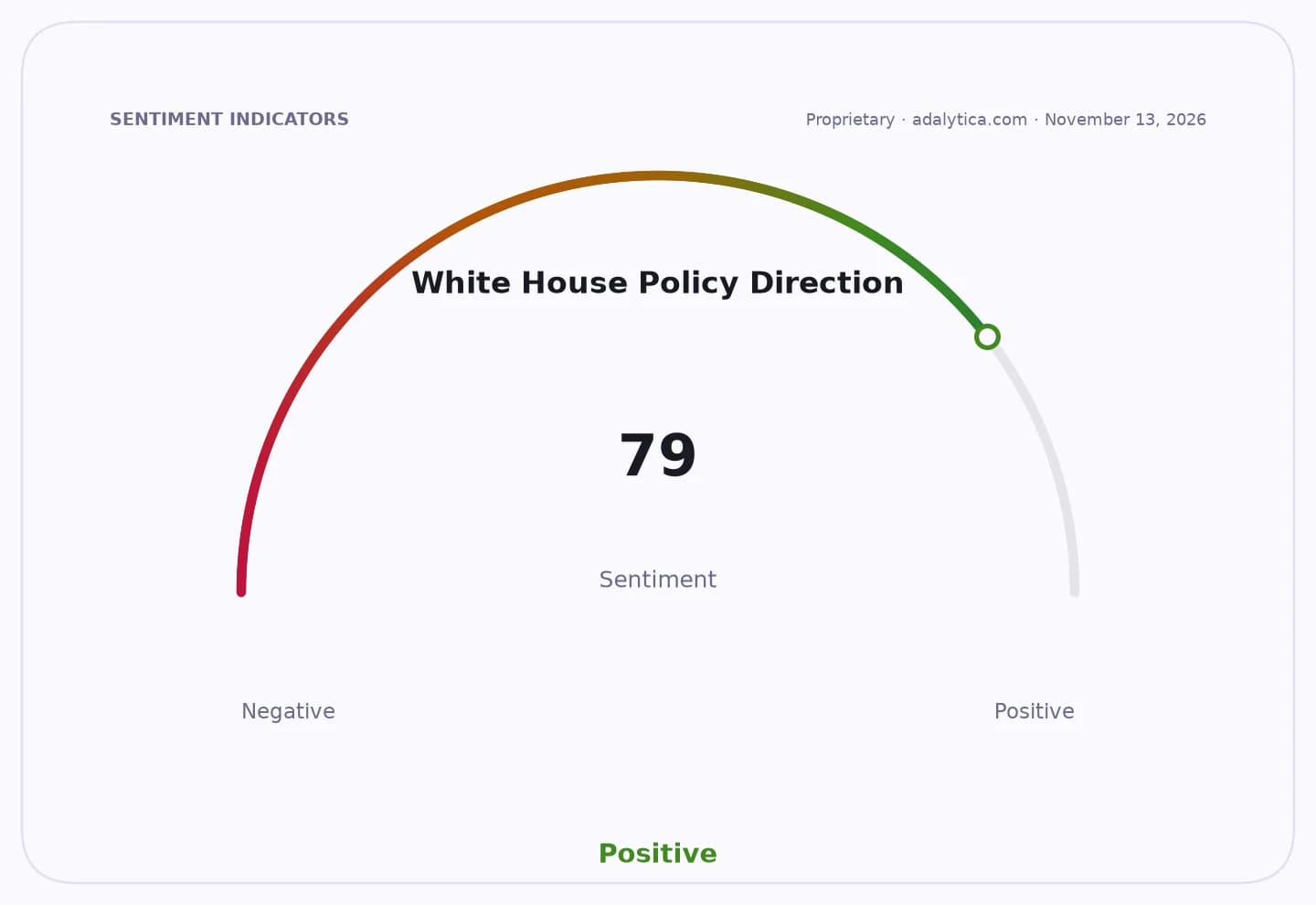
Sentiment Indicators
Wages
A Columbus-based Scioto Analysis report found economists diverging on the likely employment effect, underscoring the uncertainty that often surrounds minimum-wage policy. Some see little job damage if businesses absorb higher pay through productivity gains, pricing or lower turnover, while others warn that faster wage increases can squeeze thin-margin operators and reduce hiring at the bottom of the labor market.
The broader economic backdrop is a labor market that remains relatively stable, with the U.S. unemployment rate forecast around 4.11% for November and nonfarm payrolls still expanding. That makes the immediate macro risk from a state-level wage hike look limited, but investors and employers will still watch for second-round effects in consumer-facing industries where labor is a major cost.
The policy stakes are also rising because wage debates are no longer just about hourly pay. They now feed into inflation expectations, consumer spending power and business pricing decisions, especially for chains with large workforces such as restaurants and big-box retailers.
For investors, the issue matters most to companies with heavy exposure to entry-level labor, including McDonald’s, Walmart and Amazon, where wage pressure can affect store-level economics, automation spending and margin trends. If Ohio moves toward a higher wage floor, the key question will be whether higher household income offsets the extra cost burden for employers.
The next catalyst is whether lawmakers, advocates or ballot organizers revive the push in 2027, which would force another round of lobbying, economic modeling and business planning.
| Entity | Gains | Losses |
|---|---|---|
| Low-wage workers | ▲Higher hourly pay | ▼Potentially fewer hours |
| Small Ohio employers | ▲Possible consumer spending lift | ▼Higher labor costs |
| Large retailers and chains | ▲Can absorb costs more easily | ▼Margin pressure |
| Ohio policymakers | ▲More leverage on wage policy | ▼Renewed political friction |