Six in 10 New York adults back a minimum wage of at least $30 an hour, a Cornell University poll found, underscoring how far public opinion has moved ahead of Albany’s more modest wage plan just as the state freezes its standard rate in January.
New York Poll Finds Support for $30 Minimum Wage
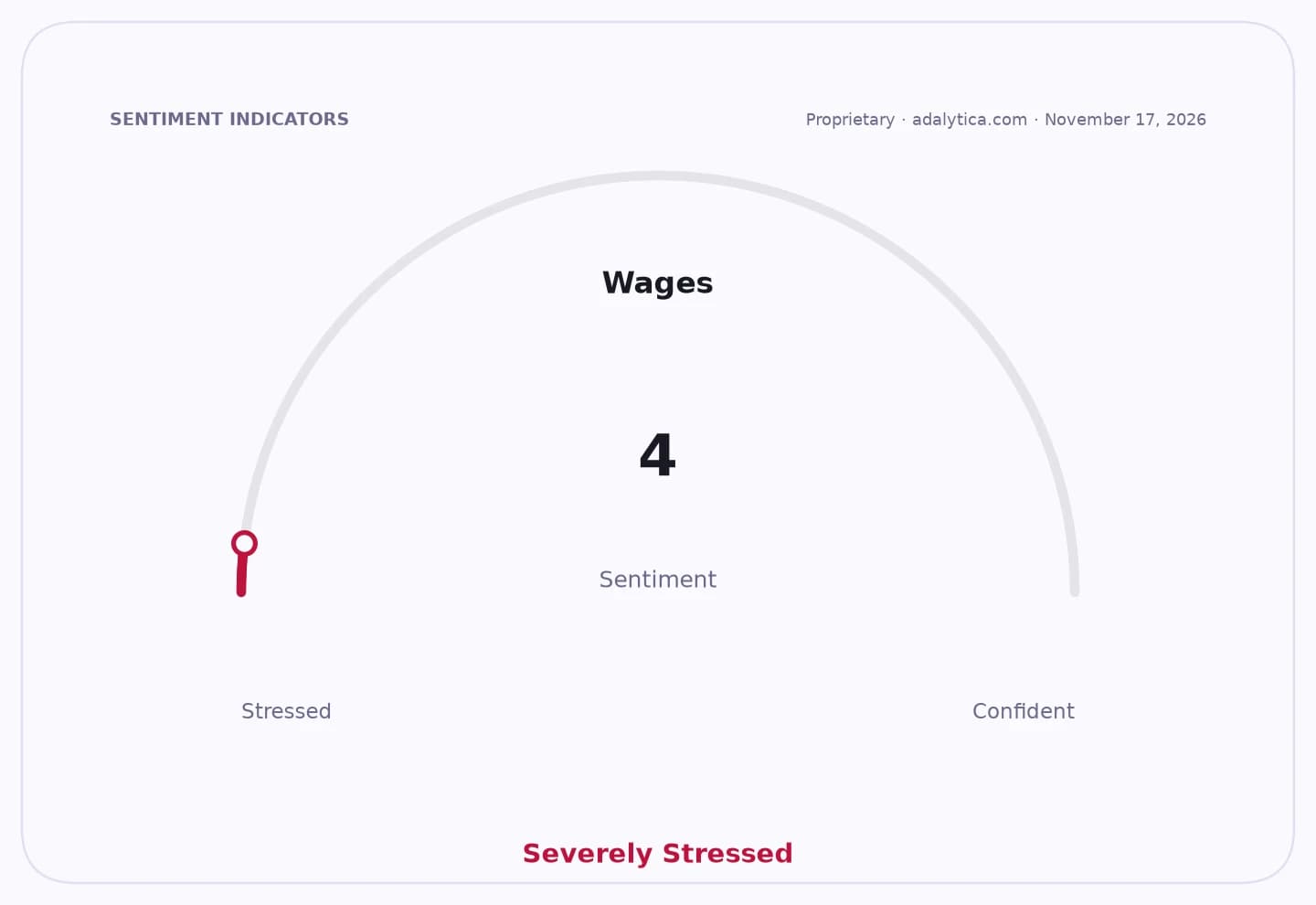
The survey matters because it captures a widening political gap between what voters say is needed to meet basic living costs and what lawmakers and employers are likely to accept. For investors, the issue reaches beyond New York politics: wage floors feed directly into labor costs for retailers, restaurants, home care providers and other low-margin businesses, and higher pay can ripple into prices and hiring decisions.
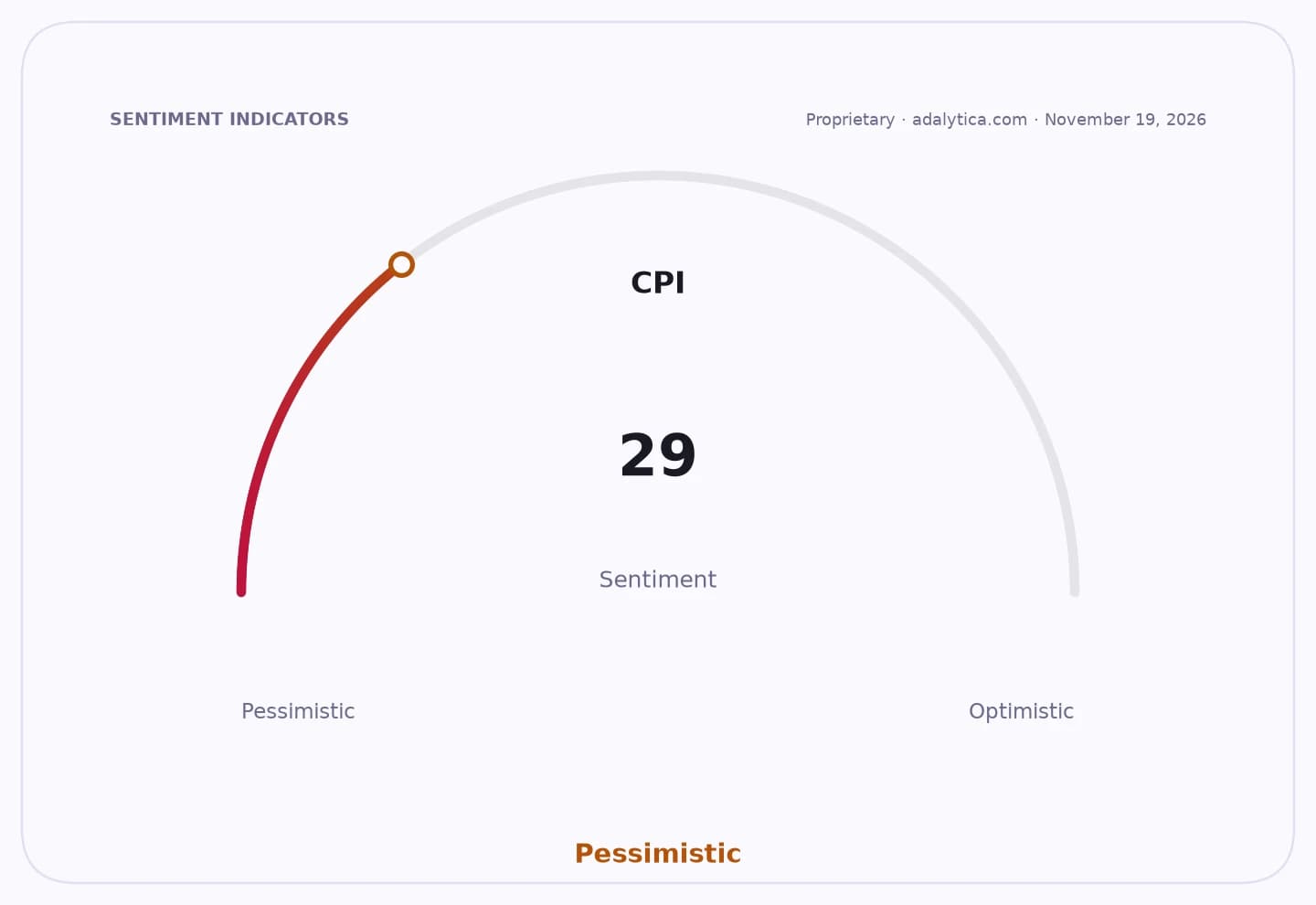
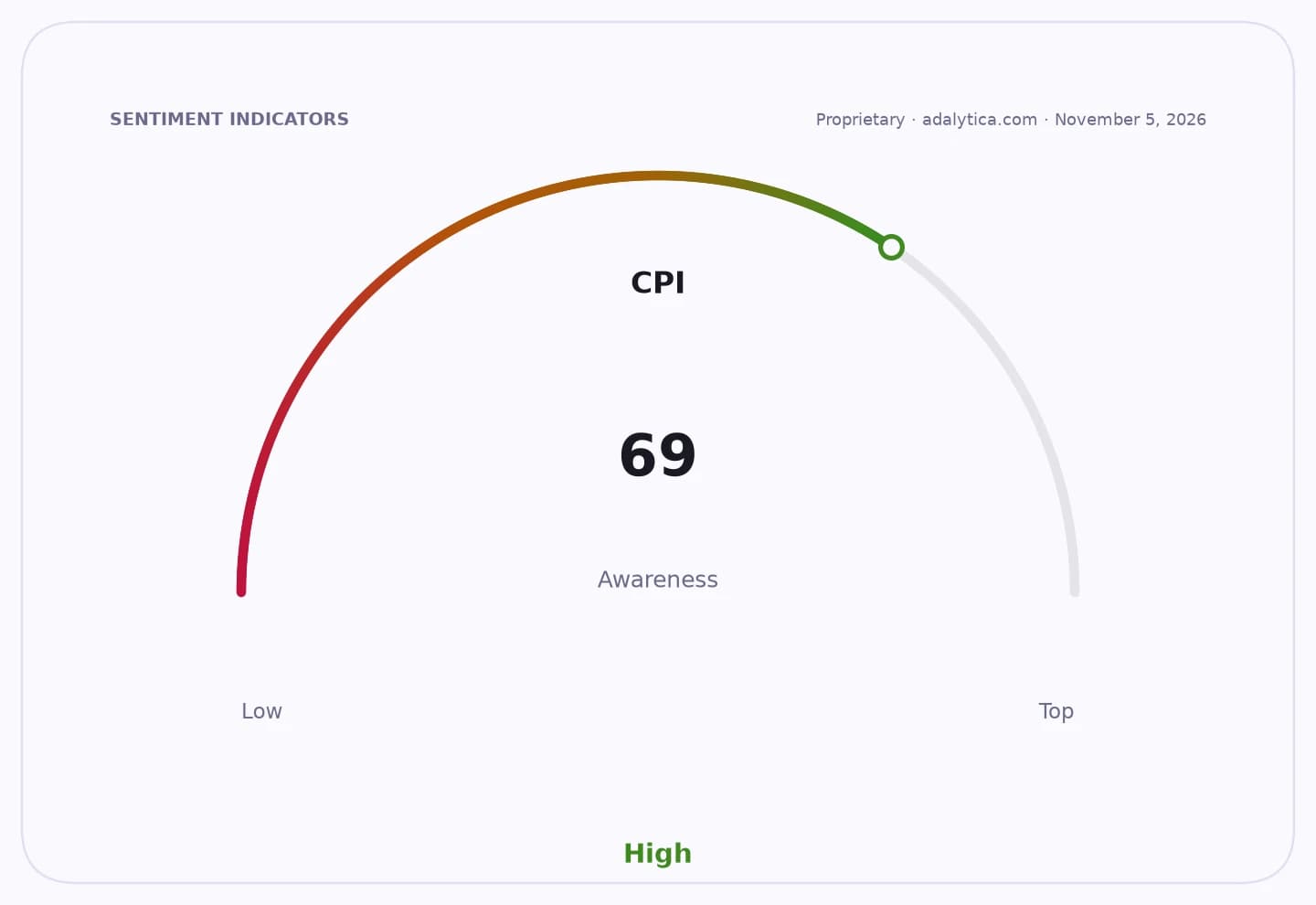
Sentiment Indicators
Cornell’s Empire State Poll found 60% support statewide for a $30 minimum wage, with backing rising to 75% in New York City. Outside the city, support was 49%, highlighting a sharp divide between urban and upstate voters.
The January freeze adds to the tension. The state Department of Labor said the standard minimum wage will stay at $16 an hour in most of New York and $17 in New York City, Long Island and Westchester County on Jan. 1 because an economic test in state law blocked the scheduled inflation adjustment.
That leaves Governor Kathy Hochul’s proposed increase to $16.55 and $17.60 on March 1 as the next near-term benchmark, if lawmakers approve the change. Even then, the adjustment would amount to 55 cents an hour upstate — far below the $30 level that drew majority support in the survey.
The Cornell study tied the $30 figure to MIT’s estimate that a single adult without children needs about $29.89 an hour to cover basic expenses in New York. The result helps explain why support was strongest among younger adults, renters and lower-income households, the groups most exposed to rising housing and living costs.
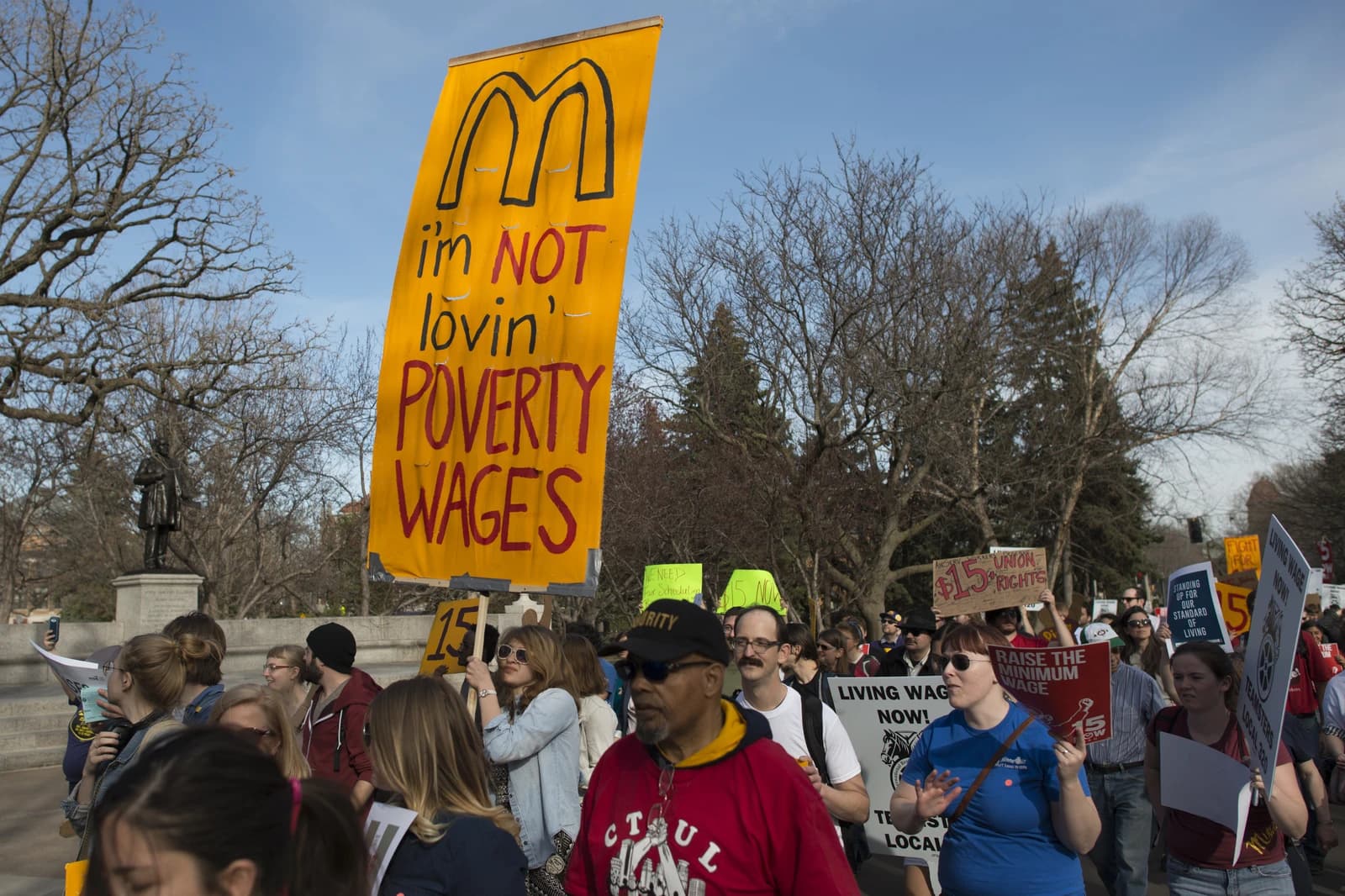
There is no direct market reaction in the poll itself, but the implications are clear for wage-sensitive sectors. Consumer staples and discretionary names with heavy frontline workforces, including chains such as McDonald’s and peers, can face pressure on margins if political momentum builds for larger wage hikes. The state’s separate home care wage schedule, which rises to $19 and $20 on Jan. 1, shows that targeted labor-cost increases are already moving through the system.
For investors, the key risk is not a single vote on $30, but the direction of travel: if public support continues to outpace legislative action, New York could become a test case for broader wage debates in high-cost states at a time when businesses are already absorbing higher input and labor costs.
| Entity | Gains | Losses |
|---|---|---|
| Low-wage workers | ▲Higher pay support | ▼Frozen standard wage |
| New York politicians backing hikes | ▲Public approval | ▼Pressure to act faster |
| Labor-intensive retailers/restaurants | ▲— | ▼Higher payroll costs |
| Home care workers | ▲Jan. 1 wage increase | ▼Still below $30 demand |